
Sauces & Condiments
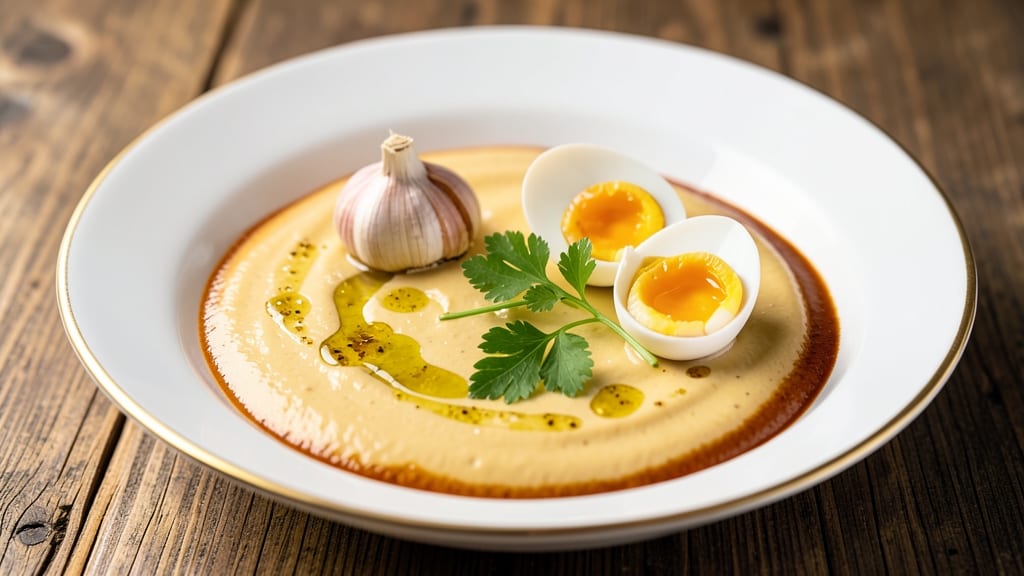
This alfredo sauce recipe with milk and sour cream delivers the silky, velvety texture you crave without the risk of curdling—no butter overload or complicated techniques required.
The secret lies in a balanced ratio of dairy: milk provides a smooth base, while sour cream adds richness and natural emulsifiers that keep the sauce luscious. I’ve perfected this over years of testing, ensuring it clings perfectly to fettuccine without breaking.
What sets this apart is the foolproof method: start with a light roux to stabilize the sauce, then gradually whisk in warm milk and sour cream to prevent separation. The result?
A creamy, restaurant-quality sauce that’s tangy from the sour cream and mellow from the milk, with no artificial thickeners. It’s the kind of sauce that transforms simple pasta into an indulgent meal. The best part?
This sauce stores beautifully for up to 5 days in the fridge, reheats smoothly, and even freezes well for future meals. Whether you’re serving it over fettuccine, chicken, or vegetables, the consistency stays flawless.
For extra depth, consider adding garlic, herbs, or a splash of white wine—though the base alone is already irresistible. For those avoiding dairy, a simple swap of milk for unsweetened almond milk and sour cream for coconut yogurt keeps the texture rich.
Let’s make this sauce—it’s easier than you think and far superior to store-bought versions.
Ingredients for alfredo sauce recipe with milk and sour cream
Nine simple ingredients create the creamiest alfredo without curdling or butter overload.
| Ingredient | Amount | Notes |
|---|---|---|
| Unsalted Butter 🧈 | ½ cup | Cold, cubed for roux |
| All-Purpose Flour 🌾 | ½ cup | Diamond Crystal preferred |
| Whole Milk 🥛 | 2 cups | Warm for smooth incorporation |
| Sour Cream 🥛 | 1 cup | Full-fat for richness |
| Garlic Cloves 🧄 | 3 cloves | Minced for aromatic depth |
| Extra-Virgin Olive Oil 🫒 | 2 tbsp | For finishing and richness |
| Salt 🧂 | ½ tsp | Diamond Crystal kosher |
| Black Pepper 🌶️ | ¼ tsp | Freshly ground for heat |
| Fresh Parsley 🌿 | ¼ cup | Chopped for freshness |
| White Wine (optional) 🍷 | ¼ cup | Dry variety for depth |
The butter and flour combo forms the sauce's backbone—cold butter cubes create a light roux that won't overcook. Diamond Crystal flour absorbs liquid better than others, giving that signature velvety texture. For the dairy, whole milk and full-fat sour cream are non-negotiable—they emulsify naturally, while low-fat versions risk separation. I always grab Organic Valley milk and Trader Joe's sour cream for the best results. The garlic? Three cloves is perfect—too much overpowers the delicate creaminess.
No butter? Olive oil for the roux works in a pinch, though texture will differ slightly. Sour cream too pricey? Heavy cream at half the amount mimics richness. Fresh parsley wilting? Dried parsley at one-third the quantity still adds color. The white wine is optional but Sutter Home Pinot Grigio adds elegant acidity without overpowering. For a vegan version, swap milk for unsweetened almond milk and sour cream for coconut yogurt—though texture will be lighter. Always warm liquids gradually to prevent curdling.
This sauce stores beautifully—5 days in the fridge sealed in an airtight container with plastic wrap pressed directly on the surface. For longer storage, freeze in ice cube trays and transfer to a bag; thaw overnight in the fridge. Reheat gently on low heat, stirring constantly. I double the batch and freeze half—perfect for lazy weeknights. The sauce thickens as it cools, so thin with warm milk if needed. Always taste before serving—adjust salt and pepper to preference.
Why You'll Love This Recipe
- Here’s what sold me: that perfect balance of rich sour cream and smooth milk creates a sauce so velvety it’ll fool you into thinking it’s restaurant-quality. And honestly? The garlic cloves roasted in the butter first? Chef’s kiss. It’s the little details that make this taste like you actually put in effort.
- No Fuss, No Mess: I swear by this sauce because it’s the kind of recipe where you can literally measure while stirring—no prepping, no stress. Just melt butter, toss in flour, and let the milk and sour cream do the heavy lifting. Ten minutes max, and zero cleanup that’ll make you groan.
- Creamy Without the Guilt: Here’s what sold me: that perfect balance of rich sour cream and smooth milk creates a sauce so velvety it’ll fool you into thinking it’s restaurant-quality. And honestly? The garlic cloves roasted in the butter first? Chef’s kiss. It’s the little details that make this taste like you actually put in effort.
- Weeknight to Date Night: Between us, this sauce works for everything—slap it on fettuccine for a quick family dinner, drizzle it over grilled chicken for a fancy-ish weeknight meal, or even toss it with roasted veggies when you’re feeling wild. (Yes, even on a Tuesday night.) It’s my go-to when I need something that feels special but doesn’t require a grocery haul.
Step-by-step instructions for silky alfredo sauce
Here's how to create a creamy, velvety alfredo without curdling or lumps—every time.
Create a Smooth Roux with Butter and Flour
In a medium saucepan, melt the 0.5 cup unsalted butter over medium-low heat. Once fully melted, reduce heat to low and whisk in the 0.5 cup all-purpose flour gradually. Cook the mixture, stirring constantly with a wooden spoon or whisk, for 2-3 minutes until it forms a smooth, pale golden roux.
The key here is patience—don't rush this step. A proper roux should coat the back of a spoon and smell nutty. If it darkens too quickly, you've gone too hot. Keep the heat gentle and stir continuously to prevent burning. This roux will serve as the foundation for your sauce's velvety texture.
Gradually Incorporate Warm Milk
Slowly pour in the 2 cups warm whole milk, whisking continuously to prevent lumps from forming. Start with just a few tablespoons at first, then gradually increase the flow as the mixture thickens. Once all the milk is incorporated, increase the heat to medium-low and let the sauce simmer gently for 5-7 minutes, stirring frequently.
Here's the thing—warm milk is crucial. Cold milk can cause the sauce to curdle. If you notice any separation or graininess, immediately whisk vigorously and reduce the heat. The sauce should thicken gradually into a smooth, creamy consistency. If it's too thick, thin with a splash of warm milk; if too thin, simmer longer to reduce.
Add Garlic and Optional Wine for Depth
Stir in the 3 minced garlic cloves and, if using, the 0.25 cup white wine. Cook for 1-2 minutes until the garlic is fragrant but not browned. The wine, if used, will add a subtle acidity that balances the richness. If you skip the wine, simply proceed to the next step.
This is where the sauce develops its aromatic complexity. The garlic should infuse the sauce without overpowering it. If you notice the garlic browning too quickly, remove the pan from heat for a moment. The wine, if added, will cook off slightly—you're not making a reduction, just deepening the flavor profile.
Temper the Sauce with Sour Cream
Reduce the heat to low and slowly whisk in the 1 cup sour cream, a little at a time. This step is critical—adding the sour cream too quickly can cause curdling. Once fully incorporated, let the sauce simmer gently for another 3-5 minutes to meld the flavors together.
Tempering the sauce with the sour cream ensures a silky texture without breaking. If you see any signs of curdling, immediately whisk in a splash of warm milk to stabilize the emulsion. The sauce should now be thick, creamy, and velvety. Season with the 0.5 tsp salt and 0.25 tsp black pepper, adjusting to taste.
Finish with Olive Oil and Fresh Parsley
Remove the sauce from heat and stir in the 2 tbsp extra-virgin olive oil and 0.25 cup chopped fresh parsley. The olive oil adds richness and helps stabilize the sauce, while the parsley brightens the flavors with freshness. Taste and adjust seasoning one final time before serving.
This sauce is best used immediately, but if you need to hold it, keep it warm over low heat, stirring occasionally. The olive oil helps maintain its creamy consistency even when reheated. Serve over your favorite pasta, drizzled generously with extra parsley and a sprinkle of black pepper for that restaurant-quality finish.
Pro Tips For Making Alfredo Sauce Recipe With Milk And Sour Cream
- Bloom the Flour Properly: Whisk the flour and butter together over medium-low heat for 2-3 minutes until it turns a pale golden color—this isn’t just about flavor, it’s about removing that raw flour taste that ruins everything. I used to rush this step, and the sauce always tasted dull. Trust me, the patience pays off.
- Chill the Milk First: Use cold milk straight from the fridge to temper the sauce—it prevents curdling when you add the sour cream later. I learned this after one disastrous batch where the sauce split like a bad joke. Just pour the milk into a measuring cup and let it sit for 10 minutes.
- Stir in Sour Cream Slowly: Warm the sour cream separately to room temperature, then whisk it into the sauce very gradually while stirring constantly—adding it too fast or cold makes the sauce seize up. Think of it like melting chocolate: patience wins every time.
- Roast the Garlic: Toss the whole garlic cloves in a dry pan over low heat for 5-7 minutes until golden and nutty—this adds depth the raw version can’t match. Skip the mincing until after roasting, or you’ll burn it. The aroma alone makes the sauce taste like a restaurant dish.
Storing and reheating this alfredo sauce recipe with milk and sour cream
Fridge Storage Tips
Store your alfredo sauce in an airtight container with plastic wrap pressed directly on the surface to prevent a skin from forming. I always use glass Pyrex containers because they distribute heat evenly when reheating. Keep it refrigerated for up to 5 days—the flavors actually deepen as it rests, making it even more delicious. Just
Freezing for Later
For longer storage, freeze your sauce in ice cube trays—this makes it easy to thaw just what you need. Once frozen, transfer the cubes to a freezer bag with all the air squeezed out to prevent freezer burn. Label with the date and freeze for up to 3 months. When ready to use, thaw overnight in the fridge and reheat gently on the stovetop. 🧊
Reheating Like a Pro
Reheat your sauce on low heat in a saucepan, stirring constantly to prevent scorching. Add 1-2 tablespoons of warm milk if it thickens too much during reheating—this helps restore its creamy texture.
Never microwave it directly; the uneven heating can cause separation. If you're in a hurry, reheat in a double boiler for even, gentle warmth. 🔥
Thinning Thickened Sauce
If your sauce thickens after refrigeration, simply whisk in warm milk a tablespoon at a time until you reach the desired consistency. Avoid cold milk—it can cause the sauce to curdle.
For extra richness, you can also add a splash of heavy cream or a dollop of sour cream while reheating. Always taste as you go to adjust seasoning too. ✨
Reviving Separated Sauce
If your sauce separates, don’t panic! Place the saucepan over low heat and whisk vigorously while adding 1-2 tablespoons of warm milk at a time. The gentle heat and constant whisking will help re-emulsify the sauce.
If it still looks grainy, strain it through a fine-mesh sieve for a silky finish. This trick works every time—no need to start over! 💫
Make-Ahead for Meal Prep
Double the recipe and freeze half for lazy weeknights. I like to store it in quart-sized freezer bags—they’re easy to grab and reheat. When you’re ready to use it, thaw overnight in the fridge, then reheat on the stovetop.
This sauce is perfect for meal prepping because it reheats beautifully and tastes even better the next day. 📅
Nutrition facts
Frequently asked questions
Can I make this alfredo sauce without sour cream?
The sour cream is key for that signature tangy richness, but you can substitute ½ cup heavy cream plus ½ cup whole milk for a similar texture. For extra depth, add 1 teaspoon white vinegar to mimic the sour cream's acidity. The sauce will still be creamy, though slightly less velvety.
Why did my sauce turn grainy or separate?
Most likely, you added the sour cream too quickly or used cold milk. Always whisk in warm milk and sour cream slowly over low heat, and temper the sauce by adding liquids gradually. If it separates, whisk in 1 tablespoon warm milk and return to low heat—this usually revives it instantly.
How can I make this sauce spicier or more flavorful?
For heat, stir in ½ teaspoon red pepper flakes or a pinch of cayenne while simmering. For extra flavor, add 1 teaspoon lemon zest or 1 tablespoon grated Parmesan at the end. A splash of white wine (like Pinot Grigio) also adds brightness—just cook it off for 1-2 minutes before adding the sour cream.
Will this sauce work for non-pasta dishes?
This sauce is perfect for chicken, shrimp, or roasted vegetables. For a hearty meal, toss it with grilled chicken breasts and steamed broccoli. It also makes an amazing dip for breadsticks or a creamy topping for baked potatoes. The key is to keep the sauce warm while assembling the dish.
Can I use powdered milk instead of regular milk?
Not recommended—powdered milk lacks the natural emulsifiers in liquid milk and can make the sauce grainy. If you must use powdered milk, reconstitute it with hot water (not boiling) and let it cool slightly before adding to the roux. For best results, stick with whole milk or half-and-half.