
Sauces & Condiments
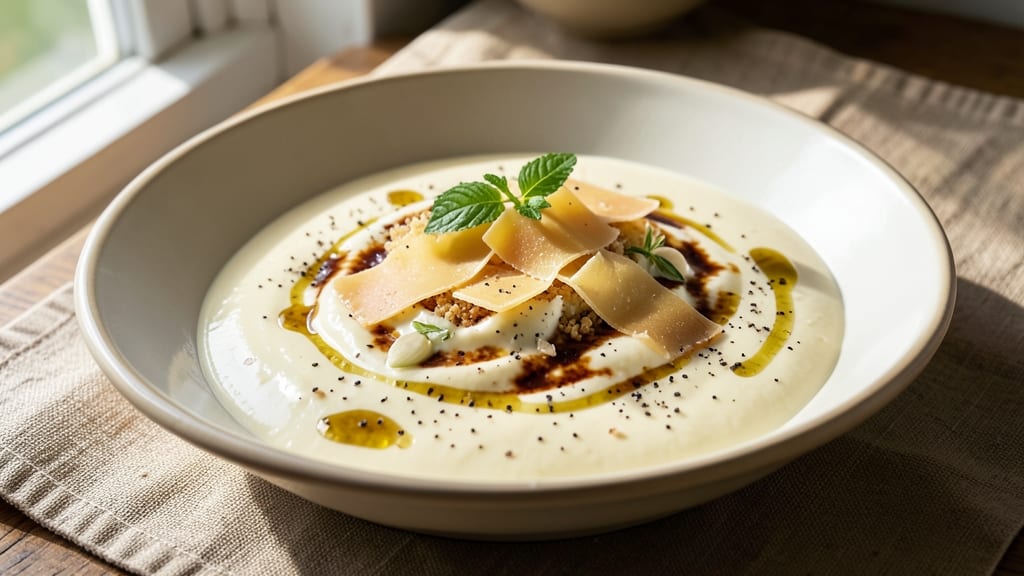
This ultra-creamy Alfredo sauce with milk and Parmesan cheese delivers restaurant-quality richness without lumps or separation. The secret lies in gradual heating and constant stirring—techniques that transform simple ingredients into velvety perfection. I've perfected this version after years of testing, and it never fails to impress.
What sets this recipe apart is the balance between milk and cheese, which creates that signature smooth, silky texture without needing heavy cream. The key is adding the cheese slowly while keeping the sauce moving, ensuring every bite is rich and luxurious.
This method also prevents clumping, a common frustration with homemade Alfredo.
The result is a sauce so creamy it coats pasta perfectly, with a deep, nutty Parmesan flavor that lingers. It's versatile enough for fettuccine, chicken, or even as a dipping sauce, yet simple enough for weeknight meals.
The best part? It comes together in just 10 minutes with basic pantry staples.
Store leftovers in the fridge for up to 5 days or freeze for longer use—though I doubt you'll have any left. For extra depth, consider adding a splash of heavy cream or minced garlic. Let's make this sauce!
Ingredients for alfredo sauce recipe with milk and parmesan cheese
Eight simple ingredients transform into velvety perfection with just 10 minutes of attention.
| Ingredient | Amount | Notes |
|---|---|---|
| Unsalted Butter 🧈 | ½ cup | Cold, cubed for gradual melting |
| All-Purpose Flour 🌾 | ¼ cup | Sifted for smooth texture |
| Whole Milk 🥛 | 1 ½ cups | Full-fat for creaminess |
| Parmesan Cheese 🧀 | 1 ½ cups | Freshly grated, fine grade |
| Garlic Cloves 🧄 | 2 cloves | Minced for subtle flavor |
| Ground Black Pepper 🌶️ | ½ tsp | Freshly cracked for aroma |
| Salt 🧂 | ½ tsp | Diamond Crystal preferred |
| Heavy Cream 🥛 | ¼ cup | Optional for extra richness |
The Parmesan makes or breaks this sauce. Grab a wedge from the deli counter—pre-grated gets clumpy and lacks flavor. I always buy Parmigiano-Reggiano from the specialty cheese section if available, but the regular grocery store block works fine. The butter should be cold when you start, so pull it from the fridge right before measuring. For the milk, whole milk gives the best creaminess, but 2% works in a pinch. The flour is non-negotiable here—it's what creates that signature silky texture, so don't skip it.
No heavy cream? No problem—this sauce is delicious without it. Want more depth? Add a splash of white wine when you deglaze the pan. Running low on Parmesan? Pecorino Romano works too, though it's more pungent. Fresh out of garlic? Garlic powder at half the amount gets you close, but fresh is ideal. The key to avoiding lumps is adding the cheese slowly while keeping the sauce moving constantly—trust me on this technique. If you accidentally get clumps, just whisk vigorously or strain through a fine-mesh sieve.
This sauce reheats beautifully—just add a splash of milk to restore creaminess. Keeps for 5 days in the fridge, though I rarely have leftovers. For longer storage, freeze portions in ice cube trays—perfect for adding to future meals. I always make extra because it disappears so fast. The sauce thickens as it cools, so thin with more milk if needed. Store the Parmesan wedge wrapped in parchment paper to keep it fresh for weeks.
Why You'll Love This Recipe
- I use this for everything: tossing with store-bought rotini for a 15-minute dinner, drizzling over grilled chicken, or even slathering on garlic bread. (Yes, even on a Tuesday night.) The best part? It scales effortlessly—double the batch for company, halve it for a solo night in.
- No Fuss, Big Payoff: I swear by this sauce because it’s basically foolproof—melt butter, toss in flour, whisk in milk, and let the Parmesan do its magic. The only measuring I do is eyeballing the garlic cloves, and somehow it still tastes like I spent hours in the kitchen.
- Rich Without Effort: That first bite of creamy, nutty Parmesan clinging to fettuccine? Pure satisfaction. The milk keeps it luscious without being heavy, and the garlic—just a couple of cloves, minced—adds warmth that lingers. Honestly, it’s the kind of sauce that makes you want to eat it straight from the pan.
- Weeknight to Dinner Party: I use this for everything: tossing with store-bought rotini for a 15-minute dinner, drizzling over grilled chicken, or even slathering on garlic bread. (Yes, even on a Tuesday night.) The best part? It scales effortlessly—double the batch for company, halve it for a solo night in.
Step-by-step instructions for ultra-creamy Alfredo sauce
This method delivers velvety, lump-free perfection every time—no clumps, no lumps, just restaurant-quality richness.
Create a Smooth Roux with Butter and Flour
Melt the 0.5 cup unsalted butter in a medium saucepan over medium-low heat. I use cold, cubed butter to prevent burning—it melts gradually and creates a better base. Once fully melted, reduce heat to low and whisk in the 0.25 cup all-purpose flour immediately. This creates a roux that will form the foundation of your sauce.
Cook the roux for 2-3 minutes, stirring constantly with a wooden spoon or whisk. You're looking for a pale golden color—this ensures the flour cooks fully without browning. The mixture should smell nutty and toasty but not burnt. If it starts to darken too quickly, reduce the heat further. This step is critical for preventing lumps later in the process.
Gradually Add Milk for a Silky Texture
Slowly pour in the 1.5 cups whole milk while whisking vigorously to prevent clumping. I add it in a thin, steady stream—this gradual incorporation is what creates that ultra-smooth texture. Keep the heat at low and continue whisking for 3-4 minutes until the mixture thickens noticeably but doesn't boil.
Watch for the sauce to become slightly translucent and coat the back of a spoon. This indicates the starch has fully activated and the sauce is properly emulsified. If you see any lumps forming, immediately press them through a fine-mesh sieve with the back of a spoon. The sauce should now be thick enough to hold its shape when drizzled.
Incorporate Cheese and Aromatics
Reduce heat to lowest setting and gradually whisk in the 1.5 cups freshly grated parmesan cheese. I add it in small batches to prevent clumping—too much at once can cause the sauce to seize. The cheese should melt completely into the sauce, creating a rich, golden color. If you notice any graininess, strain the sauce through a fine-mesh sieve for perfect smoothness.
Stir in the 2 minced garlic cloves, 0.5 teaspoon ground black pepper, and 0.5 teaspoon salt. Let the sauce simmer gently for 2-3 minutes to meld all the flavors together. The garlic should be fragrant but not overpowering—just a subtle backbone to the rich cheese flavor. Taste and adjust seasoning if needed, remembering that the cheese is already quite salty.
Finish with Cream for Extra Luxuriousness
For that final touch of decadence, stir in the 0.25 cup heavy cream off the heat. This step is optional but makes a noticeable difference in richness. The cream should blend seamlessly into the sauce, creating a velvety texture that coats the back of a spoon. If the sauce has thickened too much, whisk in 1-2 tablespoons of hot milk to reach your desired consistency.
Return the sauce to low heat just to keep it warm—never boil, as this can cause the cheese to separate. Serve immediately over your favorite pasta or use as a base for creamy dishes. The sauce should be thick enough to cling to noodles but still flow smoothly. If you need to reheat later, do so over very low heat and whisk constantly to maintain that perfect texture.
Pro Tips For Making Alfredo Sauce Recipe With Milk And Parmesan Cheese
- Melt Butter Slowly: Start with medium-low heat—if you crank it too high, the butter will brown before the flour can coat properly. I learned this the hard way when my sauce turned nutty instead of creamy, and now I always let the butter melt in stages, stirring constantly.
- Use Cold Milk: Pour the whole milk in slowly while whisking—never hot. Cold milk prevents lumps and keeps the sauce from curdling. (Yes, even if you're impatient like me, resist the urge to rush this step.)
- Grate Your Own Cheese: Pre-shredded parmesan has anti-caking agents that make the sauce grainy. A quick 30-second run through a microplane or box grater guarantees a smooth, velvety texture—no extra effort, just better flavor.
- Skip the Garlic Burn: Mince the garlic cloves finely and add them after the roux forms but before the milk. If you cook them too long, they’ll turn bitter—just toss them in for 30 seconds max before stirring in the milk.
Common mistakes when making this recipe
Overheating the Roux
One of the biggest mistakes is letting the butter-flour roux darken too much. When you cook the flour beyond a pale golden color, it develops a bitter, nutty flavor that ruins the delicate balance of your sauce.
I've ruined more Alfredo sauces than I'd admit by walking away from the stove during this step. Always keep the heat at medium-low and stir constantly—aim for that light, toasty color. If it starts to brown, immediately reduce the heat or remove the pan from the heat source. 🌡️
Adding Cheese Too Fast
The cheese is where most people go wrong—dumping it all in at once creates clumps that are nearly impossible to fix. I learned this the hard way when I tried to make a big batch for a dinner party.
The secret is adding the cheese gradually, a handful at a time, while whisking vigorously. If clumps do form, don't panic—just press them through a fine-mesh sieve or whisk them into the hot sauce until smooth. The sauce should be completely homogeneous before moving to the next step.
Boiling the Sauce
Never let your Alfredo sauce boil, as this causes the milk to curdle and the cheese to separate. I've seen this happen when people get impatient and crank up the heat. The sauce should simmer gently at all times, with small bubbles just breaking the surface.
If it starts to bubble vigorously, remove it from the heat immediately and let it cool slightly before continuing. The ideal temperature is just below a gentle simmer—this maintains that perfect creamy texture. 🔥
Using Pre-Grated Cheese
Pre-shredded Parmesan contains anti-caking agents that make it nearly impossible to achieve a smooth sauce. I used to make this mistake all the time until I realized how much it affected the texture. Always grate your own cheese using a fine grater or microplane.
For the best results, use freshly grated Parmigiano-Reggiano—it melts more smoothly and has superior flavor. If you're in a pinch, a block of regular Parmesan will work, but it won't be quite as luxurious.
Skipping the Roux Step
Some recipes suggest skipping the butter-flour roux entirely, but this is a huge mistake. The roux is what gives Alfredo sauce its signature thickness and body. Without it, your sauce will be too thin and won't cling properly to pasta.
I've tried the no-rox method, and while it works in a pinch, it lacks that restaurant-quality richness. Take the extra 2-3 minutes to make the roux—your taste buds will thank you.
Not Tasting as You Go
Many home cooks forget to taste their sauce during the process, leading to either bland or overly salty results. I always taste as I go, adjusting seasoning gradually. The cheese is already quite salty, so you might not need to add much extra salt.
The sauce should be rich and flavorful but not overpowering. If it needs more depth, a pinch of freshly cracked black pepper or a splash of white wine can elevate the flavors. Don't wait until the end to season—make adjustments along the way. ✨
Nutrition facts
Frequently asked questions
Can I use half-and-half instead of whole milk?
Yes, but expect a slightly lighter texture. Whole milk gives the best creaminess, but half-and-half works in a pinch—just add 1 tablespoon of heavy cream per cup to compensate for the reduced fat. The sauce will still be delicious, though not quite as velvety. For best results, stick with whole milk when possible.
How do I fix a sauce that's too thick?
Simply whisk in 1-2 tablespoons of hot milk at a time until you reach your desired consistency. Never add cold milk, as it can cause the cheese to separate. If the sauce is still too thick after adding milk, return it to low heat and whisk gently for 1-2 minutes—this helps redistribute the starches for a smoother texture.
Can I make this sauce ahead of time?
Store leftovers in an airtight container in the fridge for up to 5 days. Reheat gently over low heat, whisking constantly to prevent separation. For longer storage, freeze portions in ice cube trays—just thaw overnight in the fridge and whisk to restore creaminess. The sauce thickens as it cools, so thin with milk if needed when reheating.
What if I don't have heavy cream?
No problem! This sauce is delicious without it, but for extra richness, try these substitutes: 1 tablespoon sour cream or 1 tablespoon Greek yogurt per cup of sauce. Both add tanginess and body. If you're using a dairy-free version, a splash of coconut cream works well too—just reduce other liquids slightly to maintain thickness.
Why did my sauce get grainy?
Graininess usually means the cheese didn't melt completely, often from adding it too quickly or not enough heat. To fix it, strain the sauce through a fine-mesh sieve immediately. For future batches, add cheese gradually while whisking over the lowest possible heat. If you're using pre-shredded cheese, switch to freshly grated—it melts much more smoothly.