
Sauces & Condiments
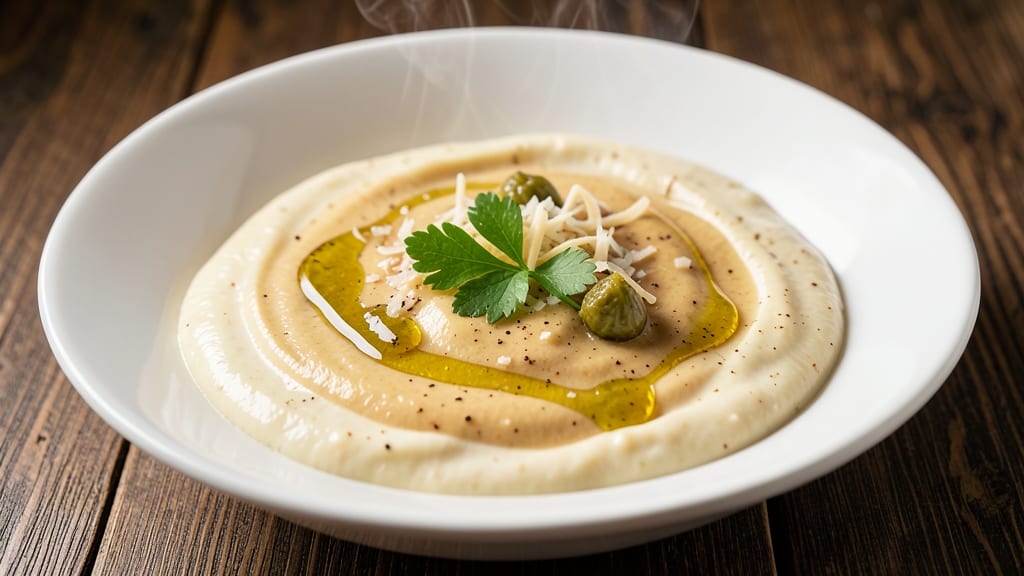
This Alfredo sauce recipe with milk and butter delivers restaurant-quality creaminess in just 10 minutes—no heavy cream required. The secret lies in a simple roux technique that transforms basic ingredients into a velvety, dreamy sauce perfect for fettuccine or steak dinners.
I’ve perfected this version over years of testing, ensuring it’s foolproof for home cooks while still feeling luxurious.
The magic happens when butter and flour create a smooth base before warm milk gradually thickens it into a luscious, clingy sauce. A touch of garlic and Parmesan elevates the flavor without overpowering the creamy richness, while a splash of pasta water at the end guarantees a silky finish.
This method avoids lumps and delivers consistent results every time.
What you’ll end up with is a sauce so creamy it coats every strand of pasta perfectly, leaving no dry spots behind. The texture is luxurious yet light, with just enough depth to complement rich proteins or fresh vegetables.
Best of all, it reheats beautifully, making it ideal for meal prep or last-minute dinners.
Store leftovers in the fridge for up to 5 days or freeze for longer shelf life—just thaw and reheat gently to preserve that velvety texture. Here’s how to make it without a single clump or heavy aftertaste.
Ingredients for alfredo sauce recipe with milk and butter
Nine essential ingredients transform into velvety Alfredo sauce—luxurious yet simple, perfect for elevating any dish.
| Ingredient | Amount | Notes |
|---|---|---|
| Unsalted Butter 🧈 | ½ cup | Cold, cubed for roux development |
| All-Purpose Flour 🌾 | ½ cup | Diamond Crystal preferred for light color |
| Whole Milk 🥛 | 2 cups | Warmed to 160°F for smooth incorporation |
| Garlic Cloves 🧄 | 3 cloves | Minced, for aromatic depth |
| Parmesan Cheese 🧀 | ¾ cup | Freshly grated, fine texture |
| Extra-Virgin Olive Oil 🫒 | 1 tbsp | For finishing, fruity variety |
| Salt 🧂 | ½ tsp | Diamond Crystal kosher salt |
| Black Pepper 🌶️ | ¼ tsp | Freshly cracked, for subtle heat |
| Nutritional Yeast 🍞 | 1 tbsp | Optional, for umami boost |
The butter-flour roux forms the sauce's foundation. Use unsalted butter—the salt content varies wildly in salted versions, risking flavor imbalance. Diamond Crystal flour develops a lighter color than other brands, crucial for that classic Alfredo hue. For the milk, whole milk yields the richest texture, but 2% works in a pinch. Warm it gently to 160°F before adding to prevent lumps. The Parmesan should be freshly grated—pre-shredded contains anti-caking agents that make the sauce grainy. Parmigiano-Reggiano delivers the most authentic flavor, though a high-quality generic works well for home use.
No butter? Coconut oil or vegan butter creates a similar roux, though the flavor will differ slightly. Short on milk? Heavy cream at half the quantity delivers comparable richness, but the sauce will be heavier. The garlic can be roasted for mellow sweetness or raw for sharpness. Parmesan substitutes like Pecorino Romano work well, though with a different mineral profile. For a dairy-free version, cashew cream replaces milk and butter, though texture will differ. Nutritional yeast isn't mandatory but adds a cheesy depth without dairy. Always taste as you go—adjust salt and pepper to balance the sauce's richness.
This sauce reheats beautifully—gentle heat is key to prevent curdling. Store in an airtight container for 5 days in the fridge or 3 months frozen. For freezing, cool completely first to prevent ice crystals. Pasta water is your friend—always finish with a splash to create that signature silky texture. Leftovers can be thinned with warm milk or broth if needed. The sauce thickens as it cools, so add a splash of liquid before serving if it's too stiff.
Why You'll Love This Recipe
- Five-Ingredient Magic: This sauce is my secret weapon for nights when I’m too tired to overcomplicate things. Just melt butter, toss in flour, add milk, and let the garlic and Parmesan work their flavor spell—no fancy techniques required.
- Rich Without the Guilt: The butter and milk create that velvety, restaurant-quality texture, but the Parmesan keeps it from feeling heavy. Honestly? It’s the kind of sauce that makes you forget it’s “just” Alfredo—until you check the ingredient list.
- Pasta Party Ready: Slap this on fettuccine for a weeknight dinner, drizzle it over grilled chicken for a fancy-ish lunch, or even use it as a creamy base for veggies. I’ve served it at potlucks, date nights, and lazy Sundays—it never disappoints.
- Leftovers That Last: This sauce thickens perfectly and reheats like a dream, so I always make extra. Stored in the fridge for up to five days, it’s my go-to for quick meals when I’m not in the mood to cook. (Yes, even on a Tuesday night.)
Step-by-step instructions for Alfredo sauce with milk and butter
Master this velvety sauce using a classic roux technique—every step ensures that signature creaminess.
Create the Roux for a Smooth Base
In a medium saucepan, melt the 0.5 cup unsalted butter over medium-low heat. Once fully melted, reduce heat to low and gradually whisk in the 0.5 cup all-purpose flour—this prevents lumps. Cook the mixture for 2-3 minutes, stirring constantly, until it turns a pale golden color and smells nutty. This roux forms the foundation of your sauce, so don't rush it; it should thicken slightly but not brown.
If the roux darkens too quickly, lower the heat immediately—burnt flour will make your sauce bitter. The goal is a smooth, pale roux that blends seamlessly with the milk later. Keep the pan off direct heat if needed to maintain control.
Gradually Incorporate the Warm Milk
Slowly pour in the 2 cups whole milk while whisking vigorously to prevent clumps from forming. The milk should be warmed to 160°F—this ensures it blends smoothly into the roux without curdling. Once all the milk is added, increase heat to medium-low and continue whisking for 5-7 minutes until the sauce thickens noticeably.
You'll see the sauce transform from a thin liquid into a glossy, thickened consistency. If it thickens too quickly, add a splash of milk to loosen it. The sauce should coat the back of a spoon smoothly—this is your creamy texture promise being fulfilled.
Infuse Aromatics and Seasonings
Add the 3 minced garlic cloves, 0.5 tsp salt, and 0.25 tsp black pepper to the sauce. Stir for 1-2 minutes until the garlic is fragrant but not browned—this prevents bitterness. For an extra umami depth, whisk in the 1 tbsp nutritional yeast (if using) and let it meld into the sauce for 30 seconds. The sauce should now have a rich, aromatic base ready for the final touch.
Here's the thing—garlic can easily overpower, so taste as you go. If the sauce tastes too sharp, a pinch more salt balances it. If it needs warmth, a tiny extra pinch of pepper enhances the depth without overpowering.
Finish with Parmesan and Olive Oil
Lower the heat to low and gradually whisk in the 0.75 cup freshly grated Parmesan cheese until fully dissolved. The cheese should melt smoothly into the sauce, creating a luxurious, cheesy richness. Remove the pan from heat and stir in the 1 tbsp extra-virgin olive oil—this adds a silky finish and prevents the sauce from separating when reheated.
The sauce is now complete, but don't skip the final taste test. Adjust seasoning if needed—sometimes the cheese needs a touch more salt, or the sauce might benefit from a splash of warm milk if it's too thick. The goal is a perfectly balanced, velvety sauce that clings beautifully to pasta.
Keep Warm and Serve Immediately
Transfer the sauce to a clean saucepan and keep it warm over low heat, stirring occasionally to prevent a skin from forming. The sauce should remain smooth and creamy—never let it boil, or it will curdle. Serve immediately over fettuccine or your choice of pasta, tossing gently to coat each strand evenly.
For the best results, serve the sauce right away. If you need to reheat leftovers, do so over low heat while stirring constantly to maintain that dreamy texture. This sauce is all about timing—every step ensures that creamy promise you're after.
Pro Tips For Making Alfredo Sauce Recipe With Milk And Butter
- Melt Butter Slowly: I learned this the hard way—dumping cold butter into the pan and ending up with greasy, uncooked flour clumps. Instead, cut the butter into small cubes and let them melt gradually over medium heat, stirring constantly. This ensures smooth, even cooking without burning the flour or separating the sauce later.
- Toast the Flour First: Skip the rush and cook the flour in the butter for 1-2 minutes before adding milk. This step develops a nutty depth and prevents that raw flour taste—yes, even if you’re impatient like me. Just watch it like a hawk; it goes from golden to burnt faster than you think.
- Shred, Don’t Grate, Parmesan: Grated Parmesan packs in starch and moisture, turning your sauce into a gluey mess. Use a cheese grater or microplane to get fine, dry shavings—this keeps the sauce light and lets the cheese flavor shine. (Pro move: Toast the shavings in the sauce for 30 seconds to melt them into the fat.)
- Strain the Milk: Whole milk has a way of curdling when it hits hot butter, and that’s when your sauce turns lumpy. Warm the milk separately until it’s just steaming (not boiling), then whisk it into the butter-flour mixture slowly. For extra insurance, strain it through a fine-mesh sieve before adding—your future self will thank you.
Serving suggestions for this dish
Pasta Pairings
This creamy sauce is a match made in heaven with fettuccine—its wide, flat strands catch and hold the sauce beautifully. I always use bronze-cut fettuccine for extra texture that contrasts the sauce's silkiness.
For a rustic twist, try tagliatelle or pappardelle, which both have that same ribbon-like shape perfect for sauce clinging. 🍝
If you want to shake things up, gnocchi (especially potato gnocchi) soaks up the sauce wonderfully, adding a delightful bite. For a lighter option, angel hair pasta works too—just toss it gently to avoid breaking the delicate strands.
The key is always to cook the pasta al dente so it holds up to the rich sauce without becoming mushy.
Protein Pairings
Alfredo sauce isn't just for pasta—it elevates grilled chicken breast or seared steak beautifully. I like to drizzle it over filet mignon or ribeye steak after cooking, then broil briefly to create a golden crust.
For seafood lovers, try it with pan-seared scallops or grilled shrimp—the creamy sauce balances the oceanic flavors perfectly. 🍗
For a vegetarian option, roasted mushrooms or eggplant parmesan become decadent when smothered in this sauce. Even crispy tofu gets a gourmet upgrade with a generous drizzle. The sauce's richness pairs well with proteins that need a little extra tenderness or depth.
Vegetable Add-Ins
Fresh asparagus spears or broccolini add a bright, crisp contrast to the creamy sauce.
I like to blanch them for 2-3 minutes first, then toss them in the sauce just before serving. Roasted cherry tomatoes or sautéed spinach also work wonderfully—they soften slightly in the warm sauce while adding vibrant color. 🥦
For a heartier dish, add sautéed mushrooms or caramelized onions—they absorb the sauce beautifully and add an extra layer of flavor. If you're feeling adventurous, try roasted butternut squash cubes—they bring a subtle sweetness that complements the richness perfectly.
Bread and Dippers
No Alfredo sauce meal is complete without garlic bread on the side. I love making a simple version with a baguette, butter, and garlic powder, then toasting it until golden.
The crusty bread soaks up any leftover sauce beautifully. For a more indulgent option, try focaccia or ciabatta—their airy texture makes them perfect for dipping. 🍞
If you're serving the sauce as a dip, crudités like carrot sticks, celery, and bell pepper strips work perfectly. For a richer option, warm pita chips or toasted breadsticks become irresistible when coated in this creamy sauce. The contrast of crispy and creamy is pure magic.
Dessert Twist
Who says Alfredo sauce is just for savory dishes? Try it as a dessert sauce for cinnamon rolls or apple slices. The creamy texture pairs surprisingly well with warm spiced apples or vanilla ice cream.
I like to reduce the garlic and nutritional yeast in this version, focusing more on the Parmesan and a touch of cinnamon for sweetness. 🍎
For a decadent dessert, drizzle it over baked pears or warm chocolate chip cookies. The contrast of warm, creamy sauce with slightly crisp cookies is a game-changer. Just
Nutrition facts
Frequently asked questions
Why does my Alfredo sauce turn out grainy?
Graininess usually happens when the roux burns or when Parmesan isn't fully dissolved. Always cook the butter-flour mixture over low heat until it's just golden (not brown), and whisk constantly. For the cheese, add it gradually while the sauce is still warm and stir until completely melted. If needed, strain the finished sauce through a fine-mesh sieve for ultra-smooth texture.
Can I make this sauce without butter?
Yes! For a dairy-free version, replace the butter with coconut oil or vegan butter, though the flavor will differ slightly. Use the same roux technique with 2 tablespoons coconut oil melted first. The sauce will be lighter but still creamy. For extra richness, add 2 tablespoons cashew cream to the milk before incorporating it into the roux.
How do I fix a sauce that's too thick or too thin?
If your sauce is too thick, thin it with warm milk or pasta water one tablespoon at a time until it reaches your desired consistency. For a sauce that's too thin, simmer it uncovered for 2-3 minutes to evaporate excess liquid, or whisk in 1 teaspoon cornstarch mixed with 1 tablespoon cold water until thickened. Always adjust gradually!
What's the best way to reheat leftover Alfredo sauce?
Reheat gently over low heat while stirring constantly to prevent curdling. Avoid microwaving—it creates hot spots that can break the sauce's emulsion. For best results, cover the saucepan and warm on low-medium heat for 3-5 minutes, adding a splash of warm milk if needed to restore creaminess. Stir in a pat of butter at the end for extra richness.
Can I use heavy cream instead of milk?
Yes, but reduce the amount to 1 cup instead of 2 cups milk to maintain balance. Heavy cream adds richness, but the sauce will be heavier. For a lighter texture, mix 1 cup milk with 1/2 cup heavy cream. Taste as you go—the cream's fat content intensifies the sauce's richness, so less is often more.