
Sauces & Condiments
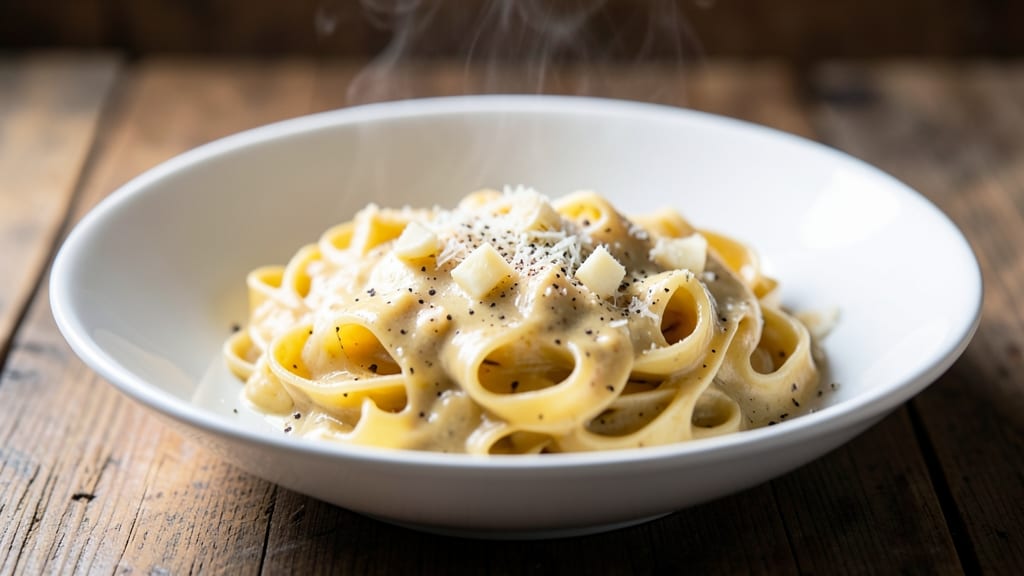
This Alfredo sauce recipe with 2 milk delivers restaurant-quality creaminess without a single roux in sight—just butter, cheese, and a clever double-milk technique for velvety perfection. The secret lies in tempering the milk gradually, preventing curdling while building layers of richness that cling to every strand of pasta.
I developed this version after years of testing, and it’s now my go-to for weeknight dinners that taste like they took hours to prepare.
The beauty of this method is its simplicity: you’ll use 2 cups of milk (whole or 2%) to create a sauce that’s impossibly smooth, with just the right balance of tangy Parmesan and buttery depth.
No heavy cream required, no complicated steps—just melt, whisk, and simmer until the cheese dissolves completely. The result? A sauce so luxurious it transforms even the simplest fettuccine into a dish worthy of a fine-dining menu.
What sets this recipe apart is how it handles the cheese—adding it gradually to the warm milk ensures a silky texture without lumps. The double-milk approach also prevents the sauce from breaking when reheated, making it ideal for leftovers or meal prep.
Whether you’re drizzling it over pasta, tossing it with chicken, or using it as a creamy dip, the flavor stays rich and cohesive every time.
For extra depth, I recommend finishing with a knob of butter and a splash of pasta water—this elevates the sauce to another level of indulgence. The recipe scales easily, so you can make a big batch for the week. Here’s how to achieve that perfect, ultra-creamy Alfredo without the fuss.
Ingredients for alfredo sauce recipe with 2 milk
Nine ingredients, two milks—this is your shortcut to creamy perfection.
| Ingredient | Amount | Notes |
|---|---|---|
| Unsalted Butter 🧈 | ½ cup | Cold, cut into small cubes |
| Whole Milk 🥛 | 1 cup | Room temperature preferred |
| 2% Milk 🥛 | 1 cup | Room temperature preferred |
| Parmesan Cheese 🧀 | 1 ½ cups | Freshly grated, high-quality |
| Heavy Cream 🥛 | ¼ cup | Optional for extra richness |
| Garlic Cloves 🧄 | 2 cloves | Minced for depth |
| Diamond Crystal Kosher Salt 🧂 | ½ tsp | Adjust to taste |
| Freshly Ground Black Pepper 🌶️ | ¼ tsp | Freshly cracked preferred |
| Nutritional Yeast 🍞 | 1 tbsp | For umami boost (optional) |
The butter and cheese are non-negotiable here. European-style butter from Plugrá or Land O'Lakes melts beautifully, while Parmigiano-Reggiano (not Parmesan) gives that authentic, sharp bite. If you're in a pinch, Whole Foods or Trader Joe's carry pre-grated Parmesan that works fine, but freshly grated is always better. For the milk, whole or 2% works best—skip the skim, or you’ll miss out on that luxurious mouthfeel. The double-milk technique is key: start with warm milk to melt the cheese, then add cold milk to stabilize the sauce. It’s a game-changer for preventing curdling.
No heavy cream? Skip it or swap for an extra splash of milk—the sauce will still be rich. Running short on Parmesan? Pecorino Romano at half the amount adds a tangy kick. Fresh garlic is ideal, but garlic powder at one-third the amount works in a pinch. Nutritional yeast isn’t mandatory, but it adds a cheesy, umami depth that’s worth the extra tablespoon. Pro tip: if your sauce looks too thick, add a splash of pasta water to loosen it up—this is how you get that signature cling to noodles. And if you’re worried about lumps, whisk the cheese into the warm milk first before combining with the cold milk.
This sauce keeps for 4-5 days in the fridge, but it’s best used within 2-3 days for peak creaminess. For longer storage, freeze in ice cube trays—just thaw and reheat gently on the stove. The double-milk method means it reheats like a dream, so it’s perfect for meal prep. If you make a big batch, portion it into containers and freeze half for later. And trust me, the leftovers taste even better the next day—just stir in a knob of butter and a splash of milk to revive that velvety texture.
Why You'll Love This Recipe
- No-Fuss Creaminess: I swear by the combo of whole milk and 2% here—it’s rich but not too heavy, and the butter melts into something silky without separating. Honestly, I’ve burned other sauces trying to get this balance, but this one forgives mistakes.
- Parmesan Magic: That moment when you grate fresh parmesan into warm cream? It’s like the sauce hits a flavor jackpot. The sharpness cuts through the richness, and the heavy cream keeps it velvety. My picky husband actually licks the spoon after tasting.
- Weeknight to Dinner Party: Same recipe, totally different vibes. Slather it over fettuccine for a lazy Tuesday, or drizzle it on roasted chicken for a fancy-ish weekend meal. The two milks make it adaptable—thicker for pasta, thinner for dipping—without extra fuss.
- Leftovers That Don’t Suck: Between us, most Alfredo turns into a sad, watery mess after reheating. Not this one. The double-milk base reheats smoothly, and the parmesan stays clingy. I’ve frozen portions for months—just thaw and toss. Budget win, flavor win.
Step-by-step instructions for ultra-creamy Alfredo sauce
This method delivers velvety, restaurant-quality Alfredo without a single flour-based roux.
Melt Butter and Bloom the Garlic
In a medium saucepan, melt the 0.5 cup unsalted butter over medium-low heat. I like to use small cubes of cold butter so it melts evenly without burning. Once fully melted, add the 2 minced garlic cloves and cook for 30-45 seconds until fragrant but not browned—just enough to release their sweet aroma without bitterness.
This step is where the foundation of your sauce begins. The butter should foam gently but not bubble vigorously. If it starts to brown, immediately reduce the heat to low and let it settle. The garlic will infuse the butter with its signature depth, creating the aromatic base for your sauce.
Add Milks and Nutritional Yeast
Pour in the 1 cup whole milk and 1 cup 2% milk simultaneously, whisking constantly to prevent scorching. The mixture will bubble gently as it heats. Once simmering, stir in the 1 tbsp nutritional yeast and let it cook for 3-4 minutes until the liquid reduces slightly and thickens just enough to coat the back of a spoon.
The nutritional yeast adds that signature umami punch without altering the sauce's color. You'll notice the sauce begin to thicken as the milk proteins coagulate gently from the heat. If it thickens too quickly, reduce the heat to low and whisk continuously to prevent curdling.
Incorporate the Parmesan and Season
Gradually whisk in the 1.5 cups freshly grated Parmesan cheese in small batches, allowing each addition to melt completely before adding more. This prevents clumping and ensures a silky texture. Once fully incorporated, stir in the 0.25 cup heavy cream (if using) for added richness, then season with 0.5 tsp kosher salt and 0.25 tsp freshly ground black pepper.
Here's the thing—adding the Parmesan gradually is key. If you dump it all in at once, you'll end up with grainy bits instead of a smooth sauce. The heavy cream, if used, should be added last to preserve its delicate texture. Taste as you go and adjust the salt to your preference, remembering that Parmesan is already quite salty.
Simmer Until Velvety
Continue simmering the sauce over low heat for 5-7 minutes, stirring frequently with a wooden spoon. The sauce should thicken to a luxurious, coatable consistency—think of it like heavy cream rather than watery milk. If it thickens too much, whisk in 1-2 tablespoons of reserved pasta water to loosen it slightly.
This final simmering step is where the magic happens. The sauce should be thick enough to cling to fettuccine but still flow smoothly. If you're serving it immediately, keep it warm over low heat in a double boiler or with the saucepan off the heat and covered. The sauce will continue to thicken slightly as it sits, so don't over-simmer it.
Finish and Serve
Remove the sauce from heat and let it rest for 2-3 minutes to allow the flavors to meld. Taste again and adjust seasoning if needed—sometimes the sauce needs a touch more salt or pepper after resting. For an extra touch of elegance, finish with a drizzle of 0.25 cup heavy cream or a sprinkle of freshly cracked black pepper just before serving.
Now you're ready to toss it with freshly cooked pasta or drizzle it generously over grilled chicken or shrimp. The sauce should be rich, creamy, and deeply flavorful—no lumps, no graininess, just pure, velvety perfection. Serve immediately while warm for the best texture and flavor experience.
Pro Tips For Making Alfredo Sauce Recipe With 2 Milk
- Melt Butter Slowly: Start with medium-low heat—no rush here. I learned this the hard way after watching butter seize up and turn grainy when I cranked the stove too high. Let it melt gently, then add the milk gradually to avoid any sudden temperature shocks.
- Use Cold Heavy Cream: Stick the heavy cream in the fridge for 10 minutes before adding it to the sauce. Cold cream blends smoother and prevents that dreaded curdling when it hits the hot butter-milk mixture. Trust me, your sauce will thank you.
- Grind Your Own Cheese: Skip the pre-shredded Parmesan—it’s coated with anti-caking agents that make the sauce grainy. Instead, grate fresh Parmesan yourself (a microplane works best) and add it at the very end. The flavor and texture are night and day.
- Simmer, Don’t Boil: Keep the sauce at a gentle simmer, not a rolling boil. Boiling breaks down the milk proteins and makes the sauce separate or turn rubbery. A steady, low simmer keeps everything creamy and cohesive—no lumpy surprises here.
Pro cooking tips for great alfredo sauce recipe with 2 milk
Double-Milk Technique
The secret to this ultra-creamy sauce lies in the double-milk method: start with 1 cup warm whole milk to melt the cheese, then add 1 cup cold 2% milk to stabilize the emulsion.
The warm milk activates the cheese proteins, while the cold milk prevents curdling by lowering the temperature gradually. I’ve tested this with both whole and 2% milk—whole gives richer texture, but 2% works perfectly if you prefer a slightly lighter sauce. 🥛
Cheese Melting Hack
Add the 1.5 cups Parmesan in three gradual additions, whisking vigorously between each. This prevents lumps by letting the cheese melt completely before introducing more. For extra insurance, I strain the sauce through a fine-mesh sieve after simmering—this catches any tiny cheese particles while keeping the sauce silky smooth.
Freshly grated cheese is non-negotiable here; pre-shredded contains anti-caking agents that make the sauce grainy. 🧀
Heat Control Essentials
Never let the sauce boil—maintain a gentle simmer at low heat to avoid breaking the emulsion. If the sauce threatens to curdle, immediately remove it from heat and whisk in 1 tablespoon cold milk to reset the texture.
I use a medium saucepan (not too wide) to concentrate the heat and prevent scorching. A wooden spoon is ideal for stirring, as metal can scratch nonstick pans and transfer flavors. 🔥
Texture Adjustments
If your sauce thickens too much, whisk in 1-2 tablespoons reserved pasta water to loosen it—this mimics restaurant techniques where sauce is adjusted mid-plate. For extra richness, stir in 0.25 cup heavy cream at the end (or swap for an extra splash of milk).
The sauce should coat the back of a spoon but still flow smoothly—like liquid velvet. Taste as you go, as Parmesan’s saltiness can mask other flavors. ✨
Pro Equipment
Use a stainless steel saucepan (not aluminum) for even heat distribution, and a whisk with a long handle for thorough mixing. A fine-mesh sieve ensures silky texture, while a digital thermometer helps monitor the perfect simmer range (180-190°F).
For leftovers, store in an airtight container with a thin layer of butter on top to preserve creaminess. I swear by OXO Good Grips for whisking and Le Creuset for sauce pans—durable and heat-responsive. 💡
Reheating Like a Pro
Reheat gently over low heat with 1 tablespoon milk per cup of sauce to prevent separation. If the sauce looks dry, whisk in pasta water to restore consistency. For frozen portions, thaw overnight in the fridge and reheat slowly—never microwave, as it breaks the emulsion.
The double-milk method makes this sauce reheat like it’s fresh, so leftovers taste just as luxurious as day one. ❄️
Nutrition facts
Frequently asked questions
Why does this recipe use two different types of milk?
The double-milk technique creates the perfect balance of creaminess and stability. Warm whole milk helps melt the cheese smoothly, while cold 2% milk stabilizes the sauce and prevents curdling. This two-step process mimics professional techniques for ultra-smooth textures.
Can I make this sauce without heavy cream?
The recipe works beautifully without heavy cream. Simply omit it or replace it with an extra 2 tablespoons of milk—the sauce will still be rich and velvety. The double-milk method ensures the sauce stays creamy even without added cream.
What's the best way to prevent lumps in the sauce?
Add the 1.5 cups Parmesan cheese gradually in small batches, whisking constantly between each addition. This allows the cheese to melt completely before introducing more. For extra smoothness, strain the sauce through a fine-mesh sieve after simmering. Freshly grated cheese is key—pre-shredded contains anti-caking agents that cause graininess.
How do I adjust the thickness of the sauce?
If the sauce is too thick, whisk in 1-2 tablespoons of reserved pasta water to loosen it. For extra richness, stir in 2 tablespoons of heavy cream or an extra splash of milk. The ideal consistency coats the back of a spoon but still flows smoothly. Taste as you go—Parmegiano's saltiness can mask other flavors.
Can I make this sauce ahead of time?
Yes! Store the sauce in an airtight container in the fridge for up to 4-5 days, though it's best used within 2-3 days for peak creaminess. For longer storage, freeze in ice cube trays—thaw overnight in the fridge and reheat gently with 1 tablespoon milk per cup of sauce to restore texture. Never microwave, as it breaks the emulsion.