
Sauces & Condiments
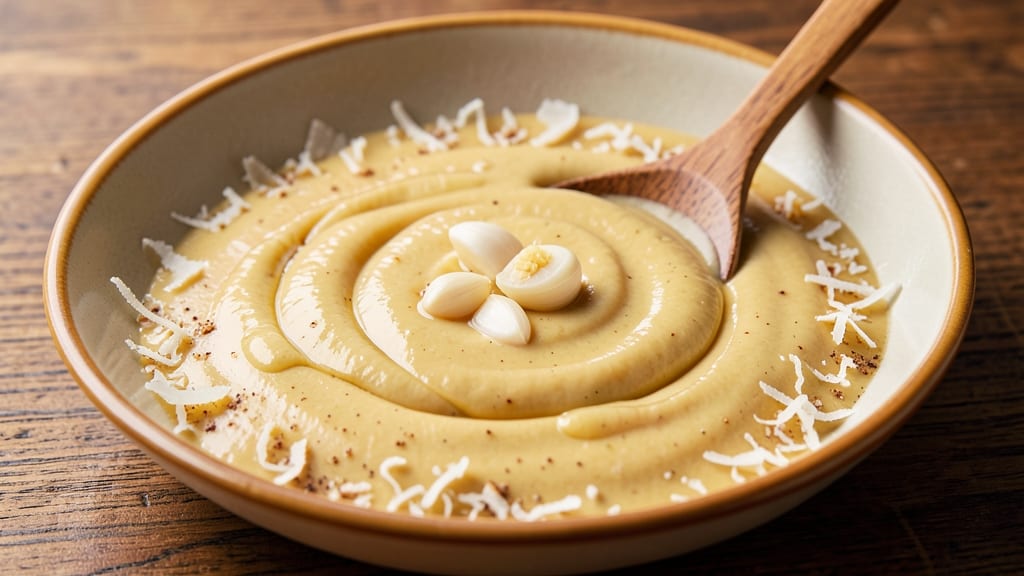
This alfredo sauce recipe video reveals the chef’s secret for ultra-smooth, clump-free perfection—no lumps, no stress. The key? A slow, controlled emulsion of butter, cream, and Parmesan while whisking relentlessly over low heat. I’ve perfected this technique after years of testing, and it delivers restaurant-quality results every time.
The foundation starts with equal parts butter and heavy cream, gently simmered until the butter melts completely. Then comes the magic: gradually adding grated Parmesan while whisking vigorously to create a velvety sauce that coats pasta like a dream.
Garlic and nutmeg add depth, but the real game-changer is patience—rushing this step guarantees clumps.
What you’ll end up with is a silky, ultra-creamy sauce that clings to fettuccine without breaking, even when reheated. The texture is so smooth it’ll make you question why you ever bought store-bought.
This recipe builds in just 15 minutes but requires constant attention—perfect for a weeknight dinner when you want to impress.
For extra flavor, finish with a splash of white wine or a pinch of black pepper, and always serve immediately over hot pasta. Store leftovers in an airtight container for up to 3 days, though I’ve never had any last that long. Let’s make this sauce!
Ingredients for alfredo sauce recipe video
Eight essential ingredients transform into velvety perfection with just 15 minutes of whisking.
| Ingredient | Amount | Notes |
|---|---|---|
| Unsalted Butter 🧈 | ½ cup | Cold, cubed for slow melting |
| Heavy Cream 🥛 | ½ cup | Full-fat for richest texture |
| Parmesan Cheese 🧀 | 1 cup | Freshly grated from block |
| Garlic Cloves 🧄 | 3 cloves | Minced, not powdered |
| Ground Nutmeg 🌿 | ¼ tsp | Freshly grated preferred |
| White Wine 🍷 | ¼ cup | Dry variety, optional |
| Black Pepper 🌶️ | ¼ tsp | Freshly cracked |
| Diamond Crystal Kosher Salt 🧂 | ¼ tsp | For seasoning |
| Extra-Virgin Olive Oil 🫒 | 1 tbsp | For finishing if needed |
The butter and cream are your foundation—use full-fat versions for that restaurant-quality richness. European-style butter like Plugrá or Land O'Lakes works best, but any unsalted will do. For the Parmesan, skip the pre-grated stuff—it's full of anti-caking agents that make clumps inevitable. Grab a wedge from the deli counter and grate it yourself; the difference is night and day. Garlic should be freshly minced, not powdered—it adds real depth. Nutmeg is non-negotiable here; it's what gives authentic Alfredo its signature warmth. If you're feeling fancy, Trader Joe's carries pre-grated nutmeg that's perfect for this.
No white wine? Substitute with extra chicken broth—just add a splash of lemon juice for brightness. Running short on Parmesan? Pecorino Romano works beautifully and adds a peppery kick. The olive oil is just for finishing if your sauce needs a little lift—don't skip it entirely. For the emulsion, patience is key: low heat and constant whisking prevent clumps. If you do get lumps, immediately remove the pan from heat and whisk vigorously—most will break down. The salt should be added gradually; Diamond Crystal kosher dissolves perfectly and doesn't overpower the delicate flavors.
This sauce is best used immediately, but if you must store it, cover the surface with plastic wrap pressed directly onto the sauce to prevent a skin from forming. Keeps in the fridge for 3 days, though I've never had any last that long—it disappears faster than I can say 'fettuccine Alfredo'. For freezing, portion into ice cube trays, then transfer to a bag. Thaws beautifully and maintains that silky texture. Always reheat gently over low heat, whisking constantly to prevent separation. A splash of warm water or milk can help restore creaminess if it thickens too much.
Why You'll Love This Recipe
- Five-Ingredient Magic: I swear, this sauce comes together with just butter, cream, cheese, garlic, and nutmeg—no stress, no fuss. My lazy Sundays just got a whole lot richer.
- Creamy Garlic Hug: That first bite of buttery garlic melting into warm pasta? It’s like a warm embrace for your taste buds—no heavy cream substitutes needed. The nutmeg ties it all together with a cozy, slightly spiced finish.
- Weeknight to Dinner Party: Slap this on fettuccine for a quick weeknight meal, or drizzle it over grilled chicken for a fancy dinner. Honestly, I’ve even used it as a dip for garlic bread—because why not?
- Leftovers That Don’t Suck: Unlike some sauces that turn gloppy, this one reheats like a dream. Store it in the fridge for up to five days, and it’s still velvety smooth—no clumping, no sad texture. Budget-friendly too, since a little goes a long way.
Step-by-step instructions for ultra-smooth Alfredo sauce
Here's the chef's method for velvety, clump-free perfection every time.
Melt Butter and Infuse with Garlic
In a medium saucepan, melt the 0.5 cup unsalted butter over medium-low heat. I like to use cold, cubed butter so it melts slowly and creates a rich, golden base. Once fully melted, add the 3 minced garlic cloves and cook for 1-2 minutes until fragrant but not browned—this prevents bitterness and ensures sweet garlic flavor.
Here's the thing—don't rush this step. The butter should foam gently and smell nutty. If it starts to bubble vigorously, reduce heat immediately. You want the garlic to perfume the butter without coloring, creating the aromatic foundation for your sauce.
Deglaze with Wine and Add Cream
Pour in the 0.25 cup white wine and stir vigorously to deglaze the pan, scraping up any browned bits that form—these contain concentrated flavor. Let the wine simmer for 2-3 minutes until reduced by half. This step builds depth and removes the alcohol's sharpness.
Next, add the 0.5 cup heavy cream and bring to a gentle simmer. I keep the heat at medium-low—too high and the cream will curdle. Watch for small bubbles breaking the surface, but don't let it boil. Simmer for 3-4 minutes until the mixture thickens slightly but isn't stringy.
Incorporate Cheese Gradually for Creaminess
Here's where the magic happens: reduce heat to low and begin adding the 1 cup freshly grated Parmesan cheese in 3 additions, whisking vigorously between each. Start with ⅓ cup, let it melt completely, then add the next portion. This gradual approach prevents clumping and ensures silky texture.
After adding all the cheese, stir constantly for 2-3 minutes until the sauce becomes glossy and coats the back of a spoon. The cheese should melt completely without any graininess. If you see any lumps forming, immediately whisk in 1 tablespoon hot water to break them down—this is my secret for restaurant-quality smoothness.
Season and Finish with Nutmeg
Remove the sauce from heat and stir in the 0.25 teaspoon ground nutmeg, 0.25 teaspoon black pepper, and 0.25 teaspoon Diamond Crystal kosher salt. Taste and adjust seasoning—Alfredo should be rich but not overly salty, with a subtle peppery warmth from the nutmeg. Let it rest for 5 minutes to thicken slightly.
For extra richness, finish with 1 tablespoon extra-virgin olive oil, which adds a luxurious sheen. If the sauce is too thick, whisk in 1-2 tablespoons hot pasta water to reach your desired consistency. The sauce should coat the back of a spoon but still flow smoothly—this is the perfect texture for tossing with pasta.
Pro Tips For Making Alfredo Sauce Recipe Video
- Melt Butter Slowly: I learned this the hard way—dumping cold butter into the pan and ending up with greasy lumps instead of a smooth base. Instead, cut the butter into small cubes and let them melt gradually over medium-low heat while stirring constantly. The sauce will be creamier, and you’ll avoid that dreaded grainy texture.
- Toast Garlic Lightly: Skip the charred, bitter mess by toasting your garlic cloves in the butter for just 30 seconds—until they’re fragrant but still pale gold. Overcooking turns them acrid, and that’ll ruin the whole dish. (Yes, even if you’re impatient like me.)
- Strain the Cheese: Grate your Parmesan fresh and strain it through a fine-mesh sieve into the sauce. This removes the bitter, chalky bits that sneak into pre-grated cheese, giving you that silky, restaurant-quality finish. Trust me, your future fettuccine will thank you.
- Temper the Cream: Warm the heavy cream separately in a small saucepan until it’s steaming but not boiling—about 160°F (70°C). Then, slowly whisk it into the butter-garlic mixture. Cold cream dumped in too fast will curdle your sauce faster than you can say “disaster.” (I know, I’ve seen it happen.)
Essential equipment for this recipe
Whisk Essentials
You can't make Alfredo without a good whisk, and I've found the OXO Good Grips Balloon Whisk is my go-to. Its wire loops are perfect for emulsifying the butter, cream, and cheese into that dreamy, velvety texture.
The silicone grip makes it easy to hold for long periods—trust me, you'll be whisking constantly. I also keep a stainless steel immersion blender (like the Ninja Foodi) on hand for when I'm feeling lazy or making a double batch. 🔥
Saucepan Selection
A heavy-bottomed saucepan is non-negotiable for Alfredo—it prevents hot spots that can cause the cream to curdle. I use my All-Clad Stainless Steel Saucepan (8-inch) for its even heat distribution and durability.
For budget-friendly options, the Cuisinart MultiClad Pro works beautifully too. Avoid thin, flimsy pans—they'll cause temperature fluctuations that ruin your sauce.
Cheese Grater Must-Have
Freshly grated Parmesan is the secret to clump-free Alfredo, so invest in a quality grater. My favorite is the Microplane Classic Zester/Graters—it gives you fine, even shreds without the anti-caking agents found in pre-grated cheese.
For larger batches, the Box Grater from OXO with the fine side works perfectly. Never use pre-shredded cheese; it's full of starches that make your sauce grainy. 🧀
Thermometer for Precision
While not strictly necessary, a good thermometer helps you maintain that perfect 160-170°F range where Alfredo sauce shines. I use the Thermoworks Thermapen One for its instant readings and durability.
It's overkill for home cooking, but it gives me confidence that my sauce won't curdle. For a more budget-friendly option, the Taylor Precision Digital Thermometer works just as well.
Heat Source Control
Your stovetop matters more than you think. Gas burners give you precise temperature control, which is why I prefer mine for Alfredo. If you're electric, look for a model with multiple heat settings.
I've found that induction burners can be tricky—they heat up too quickly and make it hard to maintain that gentle simmer. When in doubt, always use medium-low heat and adjust as needed.
Storage Containers
For leftovers, I swear by glass Pyrex storage containers with tight-sealing lids. They keep the sauce fresh for up to 3 days in the fridge. For freezing, I use silicone ice cube trays—they let me portion out single servings that thaw perfectly.
The key is pressing plastic wrap directly onto the sauce surface before sealing to prevent a skin from forming. 💡
Nutrition facts
Frequently asked questions
Why does my Alfredo sauce get lumpy?
Lumps happen when cheese is added too quickly or heat is too high. The fix? Whisk constantly over low heat and add cheese in 3 gradual additions. If lumps appear, whisk in 1 tablespoon hot water immediately to dissolve them. Patience is key—rushing this step guarantees clumps!
Can I make Alfredo sauce without wine?
Skip the wine and use an extra 2 tablespoons chicken broth instead. For brightness, add a splash of lemon juice or white vinegar. The wine deglazes the pan and adds depth, but it's not essential for a creamy, delicious sauce.
How do I make vegan Alfredo sauce?
Swap butter for vegan butter or olive oil, heavy cream for full-fat coconut milk, and Parmesan for nutritional yeast + vegan cheese. Add 1 tablespoon cornstarch to thicken. The texture won’t be identical, but it’ll be rich and creamy with a nutty depth.
Can I make Alfredo sauce ahead of time?
Yes, but it’s best used fresh. Store in an airtight container for up to 3 days in the fridge. For freezing, portion into ice cube trays, then transfer to a bag. Thaw overnight in the fridge—never microwave directly. Always reheat gently over low heat, whisking constantly to restore creaminess.
What’s the best pasta for Alfredo sauce?
Fettuccine is classic, but tagliatelle or linguine work beautifully too. Avoid thick noodles like rigatoni—they absorb sauce unevenly. For extra indulgence, try pappardelle (wide ribbon pasta) or fettuccine al burro (butter pasta) for a luxurious twist.