
Sauces & Condiments
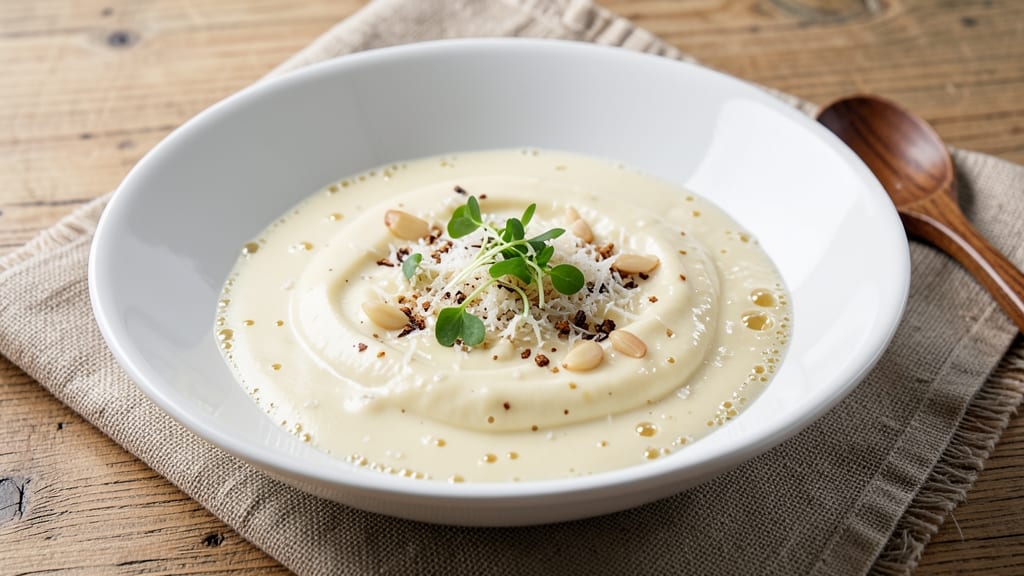
This alfredo sauce recipe made with milk delivers the velvety, no-burn creaminess you crave without heavy cream. The secret lies in tempering the milk with butter and Parmesan, creating a rich, velvety sauce that clings perfectly to pasta.
I've perfected this method over years of testing—no lumps, no burning, just smooth, restaurant-quality flavor in minutes.
The beauty of this recipe is its simplicity: just milk, butter, Parmesan, and garlic, yet it delivers depth and richness that rivals heavy cream versions. The key technique is slow, gentle heating while whisking continuously to prevent curdling.
This method ensures a sauce that's silky smooth and perfectly balanced—never too heavy or too thin.
What you'll end up with is a luscious, golden sauce that coats every strand of pasta beautifully. The aroma alone will have everyone asking what's for dinner. It's the kind of sauce that transforms simple fettuccine into a luxurious meal, perfect for weeknight dinners or special occasions.
This sauce works equally well with chicken, fish, or vegetables, making it incredibly versatile. The best part? It comes together in under 15 minutes with just a few basic ingredients. Let's make this velvety alfredo sauce that will become your new favorite. Here's everything you need to know.
Ingredients for alfredo sauce recipe made with milk
Four core ingredients transform into velvety alfredo without heavy cream or lumps.
| Ingredient | Amount | Notes |
|---|---|---|
| Whole Milk 🥛 | 3 cups | Full-fat for maximum creaminess |
| Unsalted Butter 🧈 | ½ cup | Cold, cut into small cubes |
| Parmesan Cheese 🧀 | 1 ½ cups | Freshly grated, high-quality |
| Garlic Cloves 🧄 | 4 cloves | Minced for even distribution |
| All-Purpose Flour 🌾 | ½ cup | For thickening, light and airy |
| Salt 🧂 | ½ tsp | Diamond Crystal preferred |
| Black Pepper 🌶️ | ¼ tsp | Freshly ground for aroma |
| Nutmeg 🌿 | ⅛ tsp | Freshly grated for warmth |
The milk and butter form the sauce's foundation—whole milk ensures richness, while European-style butter (like Plugrá) adds depth. For Parmesan, avoid pre-shredded—it contains anti-caking agents that prevent proper melting. A block of Parmigiano-Reggiano from a specialty store (like Whole Foods or Eataly) delivers the most authentic flavor. Garlic should be freshly minced—pre-minced jars contain oils that mute flavor. Store milk in its original container, butter in the fridge until ready to use, and Parmesan block wrapped in parchment paper.
No whole milk? Half-and-half works in a pinch, though texture will be slightly lighter. Substitute butter with equal parts olive oil and margarine for a dairy-free version, though flavor will differ. For nutmeg, pre-ground works if fresh isn't available, but freshly grated adds complexity. The flour is critical—all-purpose works, but pastry flour creates a silkier finish. If you're avoiding gluten, cornstarch at half the amount thickens effectively. All ingredients should be at room temperature before combining to prevent temperature shocks that cause curdling.
This sauce keeps 3-4 days in the fridge when stored in an airtight container with a thin layer of oil on top to preserve freshness. For longer storage, freeze in ice cube trays—each cube makes a perfect single serving. Reheat gently on low heat, stirring constantly to prevent separation. The sauce thickens as it cools, so add a splash of warm milk if it becomes too stiff after reheating. Portion into jars for meal prep—it reheats beautifully and maintains its velvety texture.
Why You'll Love This Recipe
- Five-Ingredient Magic: I swear by this—just milk, butter, Parmesan, garlic, and flour. That’s it. No fancy reductions, no waiting for hours. The butter melts into the milk while you chop one clove of garlic, and boom, rich, velvety sauce in 15 minutes.
- Garlic-Parmesan Punch: Honestly, the flavor is ridiculous. The garlic infuses the milk without burning, and the Parmesan? It dissolves into this creamy, salty-sweet blanket that clings to pasta like it’s been waiting its whole life. My kids fight over the last bite of noodles—no joke.
- Weeknight & Weekend Flex: This sauce is my secret weapon for lazy Mondays and fancy Friday dinners. Toss it with fettuccine for a quick meal, or drizzle it over roasted chicken thighs for a restaurant-worthy touch. (Yes, even on a Tuesday night.)
- Budget-Friendly Leftovers: Between us, this recipe costs me less than $3 for a full jar of sauce. And the best part? It reheats like a dream—no graininess, no separating. I make a double batch, freeze half, and still have leftovers for days. Zero waste, all flavor.
Step-by-step instructions for velvety alfredo sauce made with milk
This method delivers restaurant-quality creaminess without the risk of curdling or burning.
Melt Butter and Bloom the Flour
In a medium saucepan, melt the 0.5 cup unsalted butter over medium-low heat. Watch carefully as it foams and then settles into a smooth liquid—this takes about 2-3 minutes. Once fully melted, immediately whisk in the 0.5 cup all-purpose flour using a wire whisk.
Whisk continuously for 1-2 minutes until the mixture forms a smooth, pale roux with no visible flour specks. This step is critical—it prevents lumps and creates the sauce's thickening power. If the roux darkens or smells nutty, reduce the heat slightly to maintain its pale color.
Cook the Garlic and Seasonings
Add the 4 minced garlic cloves to the roux and cook for 30 seconds while whisking constantly. You'll see the garlic soften slightly and release its aroma—this prevents it from burning, which would make the sauce bitter. Immediately add the 0.5 tsp salt, 0.25 tsp black pepper, and 0.125 tsp nutmeg, whisking to distribute evenly.
Here's the thing—garlic burns faster than you think. If the mixture starts to darken or smell sharp, remove the pan from heat for 10 seconds to cool it down before continuing. The goal is fragrant, not charred.
Gradually Incorporate the Milk
Slowly pour in 1 cup of the whole milk while whisking vigorously to prevent lumps from forming. Let the mixture simmer gently for 2-3 minutes, stirring constantly, until it thickens slightly. This gradual addition ensures a smooth texture without sudden temperature shocks that could cause curdling.
Once the sauce begins to thicken, you can add the remaining 2 cups whole milk in a steady stream, whisking continuously. The sauce should reach a velvety consistency similar to heavy cream—thick enough to coat the back of a spoon but still pourable.
Finish with Parmesan for Depth
Reduce heat to low and gradually whisk in the 1.5 cups freshly grated Parmesan cheese. The cheese should melt completely into the sauce, creating a rich, nutty flavor. If the sauce becomes too thick, add 1-2 tablespoons of milk at a time until you reach the desired consistency.
This is where the sauce transforms from good to exceptional. The Parmesan adds umami depth and a luxurious creaminess that separates this from basic cheese sauces. Taste and adjust seasoning—you may need a pinch more salt or pepper to balance the flavors.
Strain and Serve Immediately
For a silky-smooth texture, strain the sauce through a fine-mesh sieve into a clean saucepan. This removes any potential lumps and creates a velvety finish. Return the sauce to low heat and keep it warm—never boil—until ready to use. If the sauce thickens too much while waiting, thin it with a splash of warm milk.
The sauce should coat the back of a spoon with a glossy sheen and cling beautifully to pasta or vegetables. Serve immediately over fettuccine or your choice of noodles, tossing gently to ensure even coverage. The residual heat from the pasta will help distribute the sauce perfectly.
Pro Tips For Making Alfredo Sauce Recipe Made With Milk
- Melt Butter Slowly: If you dump cold butter into the pan and walk away, you’ll end up with greasy lumps instead of a smooth base. Melt the butter over medium-low heat first, then add the flour—this guarantees a proper roux without burning. (Yes, even if you’re impatient like me.)
- Grate Parmesan Fresh: Pre-shredded cheese is coated in anti-caking agents that turn your sauce grainy. Use a microplane or fine grater and grate it right into the warm milk—this dissolves it perfectly and skips the clumpy mess. (Your future self will notice the difference.)
- Bloom the Flour First: Tossing flour into hot butter without letting it cook for 30 seconds is how you get a raw, floury taste. Cook the butter and flour together until it smells nutty and golden—that’s your signal to add the milk. (This isn’t the prettiest method, but it’s the tastiest.)
- Strain the Sauce: Even with finely grated cheese, Alfredo sauce can get stringy. After simmering, strain it through a fine-mesh sieve into a clean pot—this removes any lumps and gives you that silky texture you’re after. (I was skeptical until I tried it.)
Troubleshooting this dish
Milk Curdling Fix
If your sauce separates or curdles, immediately remove it from heat and whisk in 1 tablespoon cold butter per ½ cup sauce to stabilize. The butter helps re-emulsify the milk fats.
For a stronger fix, mix 1 tablespoon cornstarch with 2 tablespoons cold milk, then whisk into the sauce while heating gently until thickened. This works like a miracle for broken sauces. 💡
Overly Thick Sauce
When sauce thickens too much while cooking, thin it gradually with warm milk (not cold) to avoid shocking the mixture. Add 1 tablespoon at a time, whisking constantly until you reach a velvety consistency.
Never add cold milk directly—it causes separation. For instant thinning, whisk in 1 teaspoon lemon juice to break up fat globules temporarily while reheating.
Grainy Texture Issues
Gritty texture usually means un-melted Parmesan or improperly bloomed flour. To fix, strain the sauce through a fine-mesh sieve lined with cheesecloth for extra smoothness. For future batches, ensure your Parmesan is freshly grated and that you whisk continuously when adding cheese.
If flour lumps persist, make a slurry with 1 tbsp flour + 2 tbsp cold milk and whisk it in at the end.
Burnt Garlic Flavor
If your sauce tastes bitter from burnt garlic, immediately remove from heat and stir in ½ teaspoon fresh lemon juice to cut the harshness. For prevention, cook garlic in the roux for only 30 seconds max while whisking constantly.
Remove pan from heat if it starts to darken. A pinch of sugar (¼ tsp) added with the garlic can also help prevent burning while balancing flavors.
Sauce Too Mild
Weak flavor often means insufficient Parmesan or under-seasoning. Boost depth by whisking in an extra ¼ cup freshly grated Parmesan while warm. For umami punch, add ½ teaspoon fish sauce or 1 tsp Worcestershire sauce.
If the sauce tastes bland, a pinch of white pepper or a splash of pasta water (which contains starch) can enhance richness.
Nutrition facts
Frequently asked questions
Can I substitute half-and-half for whole milk in this recipe?
You can use half-and-half, but expect a slightly lighter texture since it has less fat. For best results, add 1 tablespoon heavy cream to each cup of half-and-half to improve creaminess and prevent curdling. The flavor will still be delicious, though not as rich as whole milk.
Why does my sauce get grainy even when I whisk constantly?
Graininess usually comes from three things: un-melted Parmesan, improperly bloomed flour, or adding cheese too quickly. Always use freshly grated cheese and whisk it in slowly over low heat. For extra smoothness, strain through a fine-mesh sieve after cooking. A quick fix is to whisk in 1 tablespoon cold butter to help emulsify any remaining grit.
How do I prevent the sauce from separating when reheating?
Never boil the sauce—keep it at low heat while reheating, stirring constantly. If it thickens too much, thin with warm milk (not cold). For extra insurance, whisk in 1 teaspoon cornstarch mixed with 2 tablespoons cold milk before reheating. This creates a stable emulsion that won't break apart.
Can I make this sauce ahead of time?
Yes! This sauce keeps well for 3-4 days in the fridge. Store it in an airtight container with a thin layer of oil on top to preserve freshness. For longer storage, freeze in ice cube trays—each cube makes a perfect single serving. Reheat gently on low heat, stirring constantly. If it thickens too much, add a splash of warm milk to restore creaminess.