
Sauces & Condiments
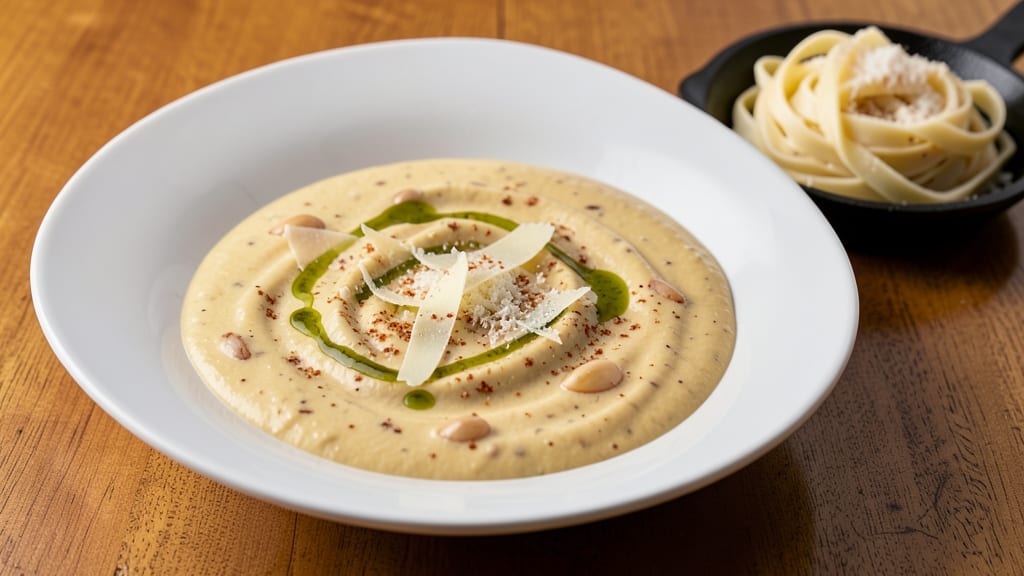
This creamy Alfredo sauce recipe ideas transforms ordinary pasta into a luxurious, velvety masterpiece with just five simple ingredients. The secret lies in proper emulsification—where butter and cheese blend seamlessly into a silky, cling-coat consistency that clings to every noodle.
I've perfected this version to deliver that signature restaurant-quality richness without breaking the bank or requiring advanced techniques.
The foundation starts with high-quality parmesan cheese, which provides the nutty depth and umami that define authentic Alfredo. Heavy cream adds body and richness, while garlic and butter create a flavor base that elevates the sauce from ordinary to extraordinary.
What sets this recipe apart is the slow reduction process, which intensifies the flavors and creates a sauce that's smooth enough to coat a spoon.
Once you've mastered the classic version, you can easily customize it with variations like garlic-infused, herb-enhanced, or even vegan alternatives using nutritional yeast and coconut milk. The sauce keeps beautifully in the refrigerator for up to five days, making it perfect for meal prep or satisfying last-minute cravings.
Whether you're drizzling it over fettuccine, tossing it with chicken, or using it as a dipping sauce, this creamy Alfredo will become your new kitchen staple.
The best part? This sauce comes together in just 15 minutes with minimal effort, yet delivers restaurant-quality results that will impress even the most discerning diners.
The key is patience during the reduction phase—rushing this step leads to a sauce that separates, so let it simmer gently until it reaches that perfect velvety consistency. Once you try homemade, you'll never settle for store-bought again.
Ingredients for alfredo sauce recipe ideas
Five ingredients transform simple pasta into restaurant-quality Alfredo perfection—creamy, velvety, and packed with umami.
| Ingredient | Amount | Notes |
|---|---|---|
| Extra-Virgin Olive Oil 🫒 | ½ cup | High-quality, fruity variety preferred |
| Unsalted Butter 🧈 | ½ cup | Cold, cubed for proper emulsification |
| Heavy Whipping Cream 🥛 | 1 ½ cups | Full-fat for maximum creaminess |
| Parmesan Cheese 🧀 | 1 ½ cups | Freshly grated from block, aged |
| Garlic Cloves 🧄 | 4 cloves | Minced, fresh for authentic flavor |
| Diamond Crystal Kosher Salt 🧂 | 1 tsp | Fine grain for even seasoning |
| Freshly Ground Black Pepper 🌶️ | ½ tsp | Freshly cracked for robust flavor |
| Freshly Squeezed Lemon Juice 🍋 | 1 tbsp | Brightens the sauce beautifully |
The Parmesan is non-negotiable—Parmigiano-Reggiano from the deli counter delivers that nutty depth store-bought can't match. Whole Foods or specialty cheese shops have the best aged wheels, but any good grocery store's deli section will have a solid wedge. Grate it yourself (the pre-shredded stuff has anti-caking agents that ruin texture). For the butter, Plugrá or Land O'Lakes work perfectly—just make sure it's cold when you add it to prevent curdling. The heavy cream should be full-fat; Hormel or Organic Valley are my go-tos, but any brand works as long as it's not ultra-pasteurized (those thin out faster).
No heavy cream? Full-fat coconut milk works in a pinch for a slightly tropical twist, though it won't be as rich. Short on Parmesan? Pecorino Romano at a 1:1 ratio adds a sharper bite. The olive oil matters here too—California extra-virgin with fruity notes elevates the sauce. For garlic, fresh is essential—jarred minced has a harsh aftertaste. Want extra depth? Add a pinch of nutritional yeast (it mimics cheesy umami perfectly). The lemon juice can be swapped for white wine if you're making a wine-infused version, but fresh lemon keeps it bright and clean.
This sauce is a meal-prep dream—stores beautifully in the fridge for 5 days if you seal it with a thin layer of olive oil on top. For longer storage, freeze in ice cube trays and thaw as needed. The texture actually improves after the first day as flavors meld. I always double the batch because it disappears faster than you'd think—perfect for tossing with pasta, drizzling over grilled chicken, or using as a dipping sauce for crusty bread. Pro tip: Reheat gently on low heat, stirring constantly, to prevent separation.
Why You'll Love This Recipe
- No-Fuss Magic: I swear, this sauce comes together while you’re still debating what to have for dinner. Melt butter, toss in garlic, stir in cream—boom. The Parmesan melts into a velvety blanket, and the olive oil keeps it from curdling like some store-bought disasters I’ve tried.
- Garlic Butter Bliss: That first whiff of sautéed garlic in olive oil? Chef’s kiss. The butter and cream turn it into a rich, nutty depth, while the Parmesan adds a sharp, salty punch. It’s creamy but not heavy, tangy but not sour—just right.
- Weeknight to Fancy: Slap it on fettuccine for a lazy Tuesday, or drizzle it over grilled chicken for a dinner party. The same sauce works for both. (Between us, I’ve even used it to jazz up roasted veggies when the kids refused to eat pasta.)
- Leftovers That Don’t Suck: Make a double batch—it reheats like a dream. Freezes perfectly for when you’re too tired to cook. And honestly? The second night is often better because the flavors meld even more. (Yes, even on a Tuesday night.)
Step-by-step instructions for creamy Parmesan Alfredo sauce
Transform simple ingredients into velvety perfection with this foolproof method.
Melt Butter and Infuse with Garlic
In a heavy-bottomed saucepan, combine the 0.5 cup unsalted butter and 0.5 cup extra-virgin olive oil over medium-low heat. Let them melt together completely, then add the 4 minced garlic cloves. Cook gently for 2-3 minutes until the garlic becomes fragrant but never browns—this prevents bitterness and creates a subtle, sweet foundation for the sauce.
Here's the thing—garlic burns in seconds, so keep your eye on the pan. You want that aroma to fill your kitchen, signaling the garlic is ready. Remove from heat immediately after you smell it, as it will continue cooking from the residual heat.
Incorporate Parmesan and Cream
Return the pan to medium heat and gradually whisk in the 1.5 cups freshly grated Parmesan cheese until fully melted and smooth. This step is crucial—adding the cheese too quickly can cause it to clump. I like to add it in small batches, whisking vigorously between each addition to ensure a silky texture.
Once the Parmesan is completely melted, reduce the heat to low and slowly pour in the 1.5 cups heavy whipping cream while whisking constantly. The sauce will begin to thicken immediately, and you'll see it transform from a liquid into a luxurious, creamy consistency. Let it simmer gently for 5-7 minutes, stirring occasionally, until it reaches your desired thickness—it should coat the back of a spoon without being gluey.
Season and Finish with Acid
Remove the sauce from heat and let it rest for 2 minutes to allow the flavors to meld. This resting period is often overlooked but makes a noticeable difference in the final result. Stir in the 1 tsp Diamond Crystal kosher salt and 0.5 tsp freshly ground black pepper, tasting as you go. Seasoning is highly personal, so adjust to your preference—Alfredo sauce should be rich but not overpowering.
The final touch is the 1 tbsp freshly squeezed lemon juice. This brightens the sauce beautifully, cutting through the richness of the cheese and cream. Add it gradually while tasting—you want just a hint of acidity, not a tangy punch. The sauce should now be silky, velvety, and perfectly balanced in flavor.
Keep Warm and Use Immediately
For the creamiest results, keep the sauce warm over low heat or transfer it to a heatproof bowl set over a pot of barely simmering water (bain-marie). This method ensures the sauce stays luscious without curdling or separating. Alfredo sauce is best used immediately—it's at its peak when fresh and creamy, so toss it with hot pasta or use it as a dipping sauce right away.
If you need to reheat later, do so gently over low heat, stirring constantly to prevent scorching. The sauce will thicken slightly as it cools, so you can thin it with a splash of warm milk or pasta water if needed. This sauce is incredibly versatile—use it over fettuccine, chicken, or even as a creamy dip for vegetables.
Pro Tips For Making Alfredo Sauce Recipe Ideas
- Infuse, Don’t Burn: Cook the garlic in olive oil over medium-low heat—yes, it’ll take longer, but charred garlic turns bitter and ruins the sauce. I learned this the hard way after one batch tasted like a campfire disaster.
- Whisk Like You Mean It: Don’t just stir the cream and butter—whisk vigorously off the heat for 30 seconds once combined. This emulsifies the sauce instantly, so it doesn’t split into greasy layers when you add the Parmesan. Lazy whisking = regret.
- Grated, Not Shaved: Use a microplane or fine grater for the Parmesan—pre-shredded cheese is coated with anti-caking agents that make the sauce grainy. Freshly grated cheese melts smoother and packs more flavor punch.
- Salt the Cream Early: Add a pinch of salt (about ¼ teaspoon) to the heavy cream before heating it. The cream carries the salt through the sauce, balancing the richness without needing extra salt later—trust me, your taste buds will notice.
Common mistakes when making your alfredo sauce recipe ideas
Overheating the Sauce
One of the biggest mistakes is letting your Alfredo sauce boil or simmer too aggressively. When the temperature climbs above 160°F, the proteins in the cheese and cream start to break down, causing the sauce to separate or curdle.
I’ve ruined more sauces than I care to admit by walking away for just a few minutes—always keep an eye on it, especially during the cream reduction phase. 🔥
To prevent this, maintain a gentle simmer at low heat and stir frequently. If you notice any bubbles forming, immediately reduce the heat to the lowest setting. The sauce should bubble softly, not vigorously—think of it like a lazy river, not a boiling pot.
If it starts to split, whisk in 1 tablespoon cold butter or 2 tablespoons heavy cream to re-emulsify it.
Adding Cheese Too Quickly
Dumping all the Parmesan into the pan at once is a recipe for disaster—it creates clumps that no amount of whisking can fix. The key is patience: add the cheese in 3-4 small batches, whisking vigorously between each addition until it’s fully melted and smooth.
I like to use a hand mixer on low speed for this step—it cuts down on elbow grease and ensures a silky texture.
If you do end up with lumps, strain the sauce through a fine-mesh sieve into a clean saucepan. This might seem like a hassle, but trust me, the difference in texture is worth it.
For extra insurance, melt the cheese first in a separate bowl with a splash of cream before combining it with the rest of the sauce.
Skipping the Resting Phase
Rushing to toss your sauce with pasta as soon as it’s off the heat is another common mistake. Letting the sauce rest for 2-3 minutes allows the flavors to meld and the emulsion to stabilize.
During this time, the heat continues to cook the sauce gently, deepening its richness without risking separation.
I’ve learned this the hard way—when I skip resting, the sauce can taste flat or slightly metallic. If you’re short on time, at least let it sit for 1 minute while you finish cooking your pasta.
Pro tip: Cover the sauce with a splash of pasta water before serving—it helps maintain that velvety consistency while tossing.
Using Low-Quality Cheese
Pre-shredded Parmesan is the enemy of creamy Alfredo sauce. The anti-caking agents in store-bought versions prevent the cheese from melting smoothly, resulting in a grainy, unappetizing texture. Always use freshly grated Parmigiano-Reggiano from a block—it’s worth the extra effort to grate it yourself.
If you’re in a pinch and can’t find fresh cheese, opt for a high-quality grated Parmesan labeled "for grating" (like Kraft Natural or Boar’s Head). Avoid anything with added fillers or preservatives.
For an even deeper flavor, mix in ½ cup grated Pecorino Romano—it adds a sharper, saltier note that balances the creaminess beautifully.
Ignoring the Emulsification Step
The magic of Alfredo sauce lies in its emulsification—the perfect balance of fat, cheese, and liquid. Many home cooks skip the gradual addition of cream, which leads to a sauce that either splits or turns gluey.
To achieve that restaurant-worthy consistency, add the cream slowly while whisking constantly over low heat.
If your sauce starts to look curdled, don’t panic. Whisk in 1 tablespoon cold butter or 2 tablespoons heavy cream to re-emulsify it. For extra stability, add a pinch of xanthan gum (just ⅛ teaspoon) to the cream before incorporating it.
This acts as a natural thickener and helps prevent separation—it’s a chef’s secret that keeps the sauce silky.
Nutrition facts
Frequently asked questions
Can I make Alfredo sauce without heavy cream?
Yes! For a lighter version, substitute with 1 cup whole milk + ½ cup half-and-half or use full-fat coconut milk for a dairy-free option. The sauce will be slightly less rich but still creamy. Reduce simmering time to 3-4 minutes to prevent curdling, and whisk constantly.
Why did my Alfredo sauce separate?
Sauce separation usually happens from overheating (above 160°F) or adding cheese too quickly. Fix it by whisking in 1 tablespoon cold butter or 2 tablespoons heavy cream while stirring over low heat. For prevention, always add cream slowly and maintain gentle heat.
How can I make Alfredo sauce spicier?
Add ½ teaspoon red pepper flakes or 1 chopped chipotle pepper in adobo sauce when melting the butter. For heat without dryness, blend in 1 tablespoon hot sauce at the end. Balance with extra lemon juice to keep the sauce bright and tangy.
Can I freeze Alfredo sauce?
Yes! Freeze in ice cube trays or airtight containers for up to 3 months. Thaw overnight in the fridge, then reheat gently over low heat while whisking. Add a splash of warm milk or pasta water if it thickens too much. The texture may slightly separate but can be re-emulsified with butter or cream.
What's the best pasta for Alfredo sauce?
Fettuccine or tagliatelle are classic choices—their flat surfaces hold the sauce beautifully. For extra texture, try pappardelle or fettuccine with spinach. Avoid long, thin noodles like spaghetti, as they can break easily. Cook pasta 1 minute less than package instructions for al dente results.