
Sauces & Condiments
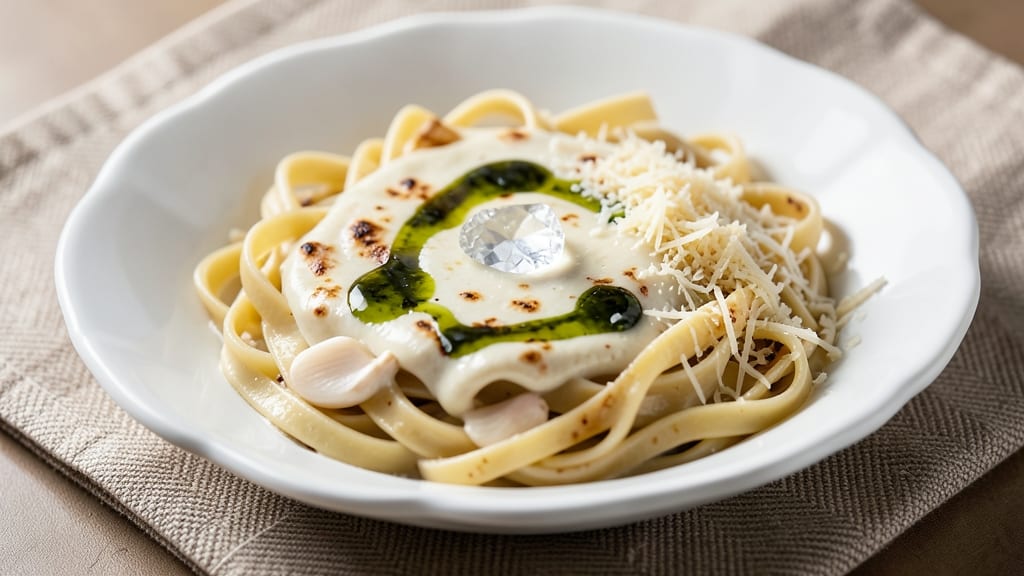
This Alfredo sauce recipe for 1 pound of pasta delivers restaurant-quality creaminess without the dreaded clumps or separation. The secret lies in tempering the cheese properly—a technique that transforms basic ingredients into velvety, golden perfection. I’ve perfected this version after years of trial and error, ensuring it coats every strand of fettuccine beautifully.
The foundation starts with butter and heavy cream cooked to a gentle simmer, then gradually whisking in grated Parmesan until fully melted. Garlic adds depth without overpowering, while a splash of pasta water at the end ensures a silky, clump-free finish.
This method guarantees a sauce that’s rich, smooth, and foolproof every time.
What you’ll end up with is a luscious, golden sauce that clings to pasta like a second skin—creamy yet balanced, with just enough umami from the cheese to elevate any dish. The texture is velvety, not greasy, and the flavor develops as it cooks, making it worth the extra attention.
Best of all, this recipe scales perfectly for leftovers. Store in an airtight container in the fridge for up to 5 days, or freeze for longer storage. Reheat gently with a splash of milk or cream to restore its silky consistency. Ready to transform your pasta night?
Ingredients for alfredo sauce recipe for 1 pound of pasta
Nine ingredients transform into velvety perfection for 1 pound of pasta.
| Ingredient | Amount | Notes |
|---|---|---|
| Unsalted Butter 🧈 | ½ cup | Cold, cubed for even melting |
| Heavy Cream 🥛 | 1 ½ cups | Full-fat for maximum creaminess |
| Fresh Garlic Cloves 🧄 | 4 cloves | Minced for aromatic depth |
| Parmesan Cheese 🧀 | 1 ½ cups | Freshly grated from block |
| Extra-Virgin Olive Oil 🫒 | 2 tbsp | For finishing and richness |
| Diamond Crystal Kosher Salt 🧂 | ½ tsp | Adjusts seasoning precisely |
| Freshly Ground Black Pepper 🌶️ | ¼ tsp | Enhances umami complexity |
| Pasta Water 💧 | ¼ cup | Reserved from cooked pasta |
| Nutritional Yeast 🍞 | 1 tbsp | Optional for enhanced cheesiness |
The Parmesan is non-negotiable—Parmigiano-Reggiano from a deli counter delivers the authentic flavor. Block cheese grates freshly, avoiding the grainy texture of pre-shredded. For butter, Plugrá or Land O'Lakes unsalted melt smoothly without burning. Heavy cream should be full-fat; Hormel or Schär brands provide consistent quality. Garlic cloves should be fresh, with vibrant color and firm texture—no sprouts or soft spots. Store Parmesan in its original packaging with a slice of bread to absorb moisture, and keep butter sealed in the fridge.
No Parmesan? Pecorino Romano offers a sharper alternative, though flavor differs slightly. Substitute heavy cream with half-and-half plus 1 tbsp butter, but texture may thin. Fresh garlic unavailable? Garlic powder at half the amount works, though minced fresh is ideal. Olive oil can be swapped for avocado oil, but extra-virgin adds fruity notes. Nutritional yeast, if omitted, reduces umami depth—Bob's Red Mill brand is widely accessible. For salt, Diamond Crystal dissolves more easily than Morton's, preventing graininess in the sauce.
Sauce reheats best with a splash of milk or cream—never water. Store in an airtight container for 5 days refrigerated or 3 months frozen. Portion into ice cube trays for single-use servings. Avoid reheating directly on high heat; gentle simmering preserves texture. Leftovers thicken upon cooling—thin with warm milk or pasta water as needed. For best results, use within 24 hours of making.
Why You'll Love This Recipe
- Five-Ingredient Magic: I swear, this sauce comes together with just butter, cream, garlic, Parmesan, and olive oil—no confusing spice blends or hidden ingredients. Honestly, the only real effort is mincing garlic (and even that’s just a few cloves), then letting the sauce simmer while you boil the pasta.
- Creamy-Garlic Hug: That first bite of buttery, garlicky sauce clinging to al dente pasta? It’s like a warm blanket for your taste buds. The heavy cream makes it velvety, but the garlic and olive oil add just enough punch to keep it from being too heavy.
- Weeknight to Dinner Party: Between us, this sauce works just as well for a quick Tuesday night as it does for impressing guests. Double the batch—it reheats beautifully for leftovers, and the rich flavor actually gets better the next day (yes, really).
- Pantry-Friendly Luxury: No weird ingredients here—just basics you probably already have. A stick of butter, a can of cream, a wedge of Parmesan, and fresh garlic. It’s budget-friendly but tastes like you slaved over it, which is my kind of trick.
Step-by-step instructions for velvety Alfredo sauce
Master this technique and you'll achieve a perfectly smooth, clump-free sauce every time.
Melt the Butter and Infuse with Garlic
In a medium saucepan, melt the 0.5 cup unsalted butter over medium-low heat. Watch closely as it transforms from solid to liquid, then add the 4 cloves minced fresh garlic cloves. Cook for 2-3 minutes until the garlic becomes fragrant but doesn't brown—this prevents bitterness and ensures pure flavor development.
I like to stir constantly during this phase to distribute the garlic evenly. The butter should foam gently but not brown. If it starts to bubble vigorously, reduce the heat slightly. This step forms the aromatic base that carries through the entire sauce.
Add Heavy Cream and Simmer Gently
Pour in the 1.5 cups heavy cream and bring to a gentle simmer over medium heat. You'll see small bubbles form at the edges, but avoid vigorous boiling which can cause the sauce to separate. Let it cook for 5-6 minutes until the mixture reduces slightly and thickens—you're looking for a consistency where it coats the back of a spoon.
This reduction step is crucial. It removes excess moisture that would otherwise dilute your sauce. Stir occasionally to prevent any potential scorching at the bottom. The sauce should remain silky smooth with no lumps at this stage.
Incorporate Cheese and Seasonings
Lower the heat to low and gradually whisk in the 1.5 cups freshly grated parmesan cheese in small additions. This gradual approach prevents clumping by allowing the cheese to melt smoothly into the warm cream. Add the 0.5 tsp diamond crystal kosher salt and 0.25 tsp freshly ground black pepper simultaneously for balanced seasoning.
Continue whisking for 3-4 minutes until the cheese is completely dissolved and the sauce reaches a luxurious, velvety consistency. If you encounter any small lumps, immediately press them through a fine-mesh sieve to maintain that restaurant-quality smoothness.
Finish with Olive Oil and Nutritional Yeast
Remove the sauce from heat and stir in the 2 tbsp extra-virgin olive oil and 1 tbsp nutritional yeast. The olive oil adds richness and helps stabilize the sauce, while the nutritional yeast enhances the cheesy flavor profile. Let the mixture sit for 2 minutes to allow all ingredients to meld together completely.
This final step creates the signature Alfredo texture—creamy yet light enough to coat pasta perfectly without feeling heavy. The nutritional yeast adds a subtle umami depth that elevates the sauce beyond basic cheese-and-cream combinations.
Adjust Consistency with Pasta Water
Taste the sauce and adjust seasoning if needed. If it's too thick, whisk in pasta water from your cooked 1 pound of pasta (about 0.25 cup) until you reach your desired consistency. The starchy pasta water helps emulsify the sauce and prevents it from becoming too heavy when combined with the pasta.
Keep the sauce warm until ready to serve, stirring occasionally. The residual heat will help maintain its silky texture. This sauce should coat pasta beautifully without clinging too heavily—just enough to create that signature creamy finish in every bite.
Pro Tips For Making Alfredo Sauce Recipe For 1 Pound Of Pasta
- Bloom the Garlic: Toss your minced garlic into the butter first and let it sit for 30 seconds—just until it fragrant, not browned. I used to rush this and ended up with bitter, overcooked garlic that ruined the whole sauce. That 30-second pause makes all the difference.
- Salt the Cream: Add a pinch of salt to the heavy cream before heating it—yes, even if you’re using unsalted butter. The cream absorbs flavor better when it’s warm, and this small step keeps your sauce from tasting bland. Trust me, your taste buds will notice.
- Shred the Cheese: Skip the pre-shredded Parmesan—it’s coated with anti-caking agents that make the sauce grainy. Use a fine grater and shred just before tossing it into the sauce. Freshly grated cheese melts smoother and tastes richer, no matter how impatient you are.
- Finish with Oil: Stir in a tablespoon of extra-virgin olive oil at the very end—it cuts the richness of the butter and cream while adding brightness. Sounds weird, but it works: the sauce stays silky but doesn’t feel heavy. (Your future self will thank you.)
Troubleshooting great alfredo sauce recipe for 1 pound of pasta
Clumpy Cheese Fix
If your sauce develops lumps despite careful whisking, immediately remove it from heat and press the mixture through a fine-mesh sieve using a spatula. For stubborn clumps, add 1 tbsp cold water or milk and whisk vigorously—this helps dissolve the cheese proteins.
I've found that pre-grating cheese in a food processor before adding prevents most clumping in the first place. 🧀
Sauce Too Thin?
When the sauce separates or becomes too thin, don't panic. Simmer it uncovered for 5-7 minutes to evaporate excess moisture. For an instant fix, whisk in 1 tbsp cornstarch mixed with 1 tbsp cold water until smooth.
This creates a natural thickening agent without altering flavor. I keep a small bowl of this slurry on hand when making large batches.
Burnt Garlic Flavor
If your garlic turns brown or bitter, you've cooked it too long. The ideal color is pale golden with no visible brown spots.
For extra insurance, remove the pan from heat 30 seconds before the garlic reaches your target color, then return it to the stove just long enough to finish cooking. Fresh garlic should never exceed 2-3 minutes of cooking time. 🧄
Separation Issues
When cream and butter separate, whisk in 1 tbsp cold butter and reheat gently over low heat while stirring constantly. This helps re-emulsify the mixture. For prevention, always bring the cream to a gentle simmer rather than a full boil.
I've learned that using a heavy-bottomed saucepan prevents hot spots that cause separation.
Overly Salty Sauce
If you've added too much salt, balance it with 1 tbsp lemon juice or vinegar—this cuts the saltiness while adding brightness. For a more neutral approach, whisk in 1 tbsp unsalted butter to dilute the salt concentration.
Always taste as you go, especially when adding cheese, as Parmesan can vary significantly in saltiness. 🧂
Storage-Related Thickening
Sauce that thickens upon refrigeration is normal—simply whisk in 1-2 tbsp warm milk or pasta water to restore consistency. For prevention, store in a shallow container rather than a tall one, as this allows for more even cooling.
I portion my leftovers into ramekins for quick reheating and minimal texture changes. ❄️
Nutrition facts
Frequently asked questions
Can I use heavy whipping cream instead of heavy cream?
Yes, but the results will differ slightly. Heavy whipping cream has a slightly lower fat content (36% vs 38-40% in heavy cream), so your sauce may be slightly less rich. For best results, use 1.6 cups heavy whipping cream and add 1 extra tbsp butter to compensate for the difference in fat content. The texture will still be creamy, though not quite as velvety.
What's the best pasta shape for this sauce?
Fettuccine is classic, but any wide, flat pasta works beautifully. Penne or rigatoni also hold the sauce well. For maximum surface area, try pappardelle or tagliatelle. Avoid thin noodles like spaghetti—they won't capture enough sauce. The wider the noodle, the more sauce it can cling to without becoming soggy.
How do I prevent the sauce from getting too heavy?
The key is proper reduction and timing. Simmer the cream for 5-6 minutes to reduce it slightly before adding cheese, and always use pasta water (about 0.25 cup) when combining with cooked pasta. This starchy water helps emulsify the sauce naturally. For extra insurance, whisk in 1 tbsp cold water at the end if needed—it won't alter flavor but will lighten the texture.
Can I make this sauce dairy-free?
Yes, but you'll need substitutions. Replace the butter with vegan butter or olive oil, heavy cream with full-fat coconut milk or cashew cream, and Parmesan with nutritional yeast plus vegan hard cheese. The texture will be lighter but still creamy. For best results, use 1.5 cups coconut milk and add 1 tbsp cornstarch to help thicken. The flavor won't be identical, but it's a great alternative!
Why does my sauce sometimes separate when reheating?
This happens when fat and liquid separate during cooling. To fix it, whisk in 1 tbsp cold butter or olive oil and reheat gently over low heat while stirring constantly. For prevention, always store sauce in a shallow container (not deep) and refrigerate within 2 hours of making. When reheating, add a splash of milk or pasta water to help re-emulsify the mixture.