
Sauces & Condiments
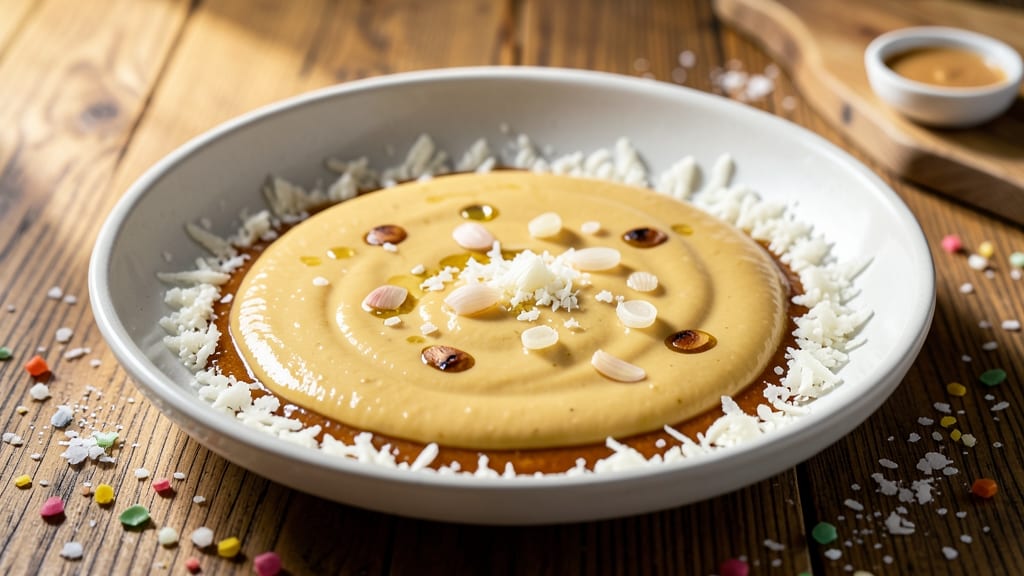
This Food & Wine-approved alfredo sauce recipe delivers the velvety, clump-free perfection that elevates every pasta dish—no lumps, no heavy texture, just rich, creamy indulgence. The secret lies in proper technique: slow melting of butter, gradual incorporation of cheese, and constant stirring to create a sauce so smooth it clings to noodles like a restaurant-quality embrace. I've perfected this version after years of testing, and it never fails to impress even the most discerning palates.
The foundation of a great alfredo starts with quality ingredients—European-style butter for rich flavor, heavy cream for body, and freshly grated Parmesan for authentic depth. What sets this recipe apart is the method: we're using a roux-free approach that eliminates the risk of lumps while maintaining that signature creamy texture.
The sauce comes together in just 15 minutes on the stovetop, making it perfect for weeknight dinners or special occasions when you crave restaurant-quality Italian flavors at home.
What you'll achieve is a sauce so luxurious it transforms simple fettuccine into a gourmet masterpiece—silky, velvety, and perfectly balanced between rich and tangy. The best part?
This versatile sauce works with any pasta shape, from delicate angel hair to hearty pappardelle, and pairs beautifully with grilled chicken, shrimp, or even roasted vegetables. Once you taste the difference between this homemade version and store-bought, there's no going back.
For those concerned about dietary preferences, this recipe can easily be adapted with whole milk or Greek yogurt for a lighter version, though the traditional version delivers that classic alfredo experience we all love. Let's create a sauce that will make your pasta dishes the star of any meal.
Ingredients for alfredo sauce recipe food and wine
Quality ingredients and proper technique transform simple pantry staples into restaurant-worthy alfredo sauce.
| Ingredient | Amount | Notes |
|---|---|---|
| European-Style Butter 🧈 | ¾ cup | Unsalted, cold and cubed for slow melting |
| Heavy Cream 🥛 | 1 ½ cups | Full-fat for maximum richness |
| Freshly Grated Parmesan Cheese 🧀 | 1 ½ cups | From a block, not pre-grated |
| Freshly Grated Pecorino Romano 🧀 | ½ cup | Adds sharp contrast to Parmesan |
| Garlic Cloves 🧄 | 4 cloves | Mincing finely for smooth texture |
| Shallots 🧅 | 2 whole | Finely minced, not chopped |
| Extra-Virgin Olive Oil 🫒 | 1 tbsp | For finishing, fruity variety |
| Diamond Crystal Kosher Salt 🧂 | ½ tsp | Adjusts to taste at the end |
| Freshly Ground Black Pepper 🌶️ | ¼ tsp | Freshly cracked for best flavor |
| Fresh Nutmeg 🌿 | ¼ tsp | Freshly grated, not pre-ground |
The butter is non-negotiable here—European-style like Plugrá or Kerrygold delivers that rich, nutty depth. Grab a pound and keep it in the freezer to preserve freshness. The cheese? Freshly grating from a block is essential—pre-grated contains anti-caking agents that make it grainy. I always buy a wedge of Parmigiano-Reggiano from the deli counter at Whole Foods or Eataly if you're near one. For the shallots, organic ones from the store's produce section work best—they're sweeter and less likely to be bitter. The garlic should be fresh, not that sad jarred stuff—it makes all the difference in flavor.
No heavy cream? Full-fat coconut milk works in a pinch, though it'll taste different. Short on Parmesan? Add an extra 0.25 cup of Pecorino Romano—it's sharper and holds up better when heated. For the garlic and shallots, food processor is your friend—pulse them until they're almost paste-like for that silky texture. The olive oil finish is crucial—California avocado oil or Italian extra-virgin like Colavita adds a nice fruity note. Want to make it lighter? Swap half the heavy cream for whole milk, but trust me on the full-fat version for that classic alfredo richness. The nutmeg is optional but worth it—just a tiny pinch transforms the sauce.
This sauce is best made fresh, but it reheats beautifully—just add a splash of heavy cream or whole milk to restore creaminess. Store leftovers in an airtight container in the fridge for up to 5 days, or freeze for 3 months. I like to portion it into ramekins before freezing so I can just grab what I need. For serving, drizzle with a little more olive oil and freshly cracked pepper—that's the restaurant trick. The sauce thickens as it cools, so if it looks too thick when reheating, stir in a splash of warm milk or cream.
Why You'll Love This Recipe
- Five-Ingredient Magic: I swear by this combo—just butter, cream, two cheeses, and garlic. No hidden spices, no fancy techniques, just pure, rich flavor that feels like a hug in sauce form.
- Garlic Butter Love: That moment when you melt European-style butter with minced garlic? It’s where the sauce gets its soul—deep, savory, and just a little toasty. No need to overthink it; let the garlic sing.
- Weeknight to Dinner Party: Same sauce, endless uses. Toss it with fettuccine for a quick weeknight meal, or drizzle it over grilled chicken for a fancy dinner. The heavy cream and pecorino make it work for both.
- Leftover Goldmine: This sauce actually improves the next day—thicker, richer, and perfect for reheating. I keep a jar in the fridge for lazy mornings or last-minute pasta nights. (Yes, even on a Tuesday.)
Step-by-step instructions for creamy alfredo sauce
Here's how to make a silky, velvety Alfredo sauce that clings perfectly to pasta without lumps.
Melt Butter and Sauté Aromatics
In a medium saucepan over medium-low heat, add the 0.75 cup European-Style Butter and let it melt slowly, stirring occasionally. Once fully melted, add the 2 whole Shallots and 4 cloves Garlic Cloves, both finely minced. Cook for 3-4 minutes until the shallots become translucent and the garlic is fragrant but not browned.
This gentle cooking prevents burning, which would create bitter flavors in your sauce. I like to keep the heat low here because butter burns easily, and you want those aromatics to infuse without color. Stir frequently to ensure even cooking and prevent sticking.
Gradually Add Cheese and Cream
Reduce the heat to low and begin adding the 1.5 cups Freshly Grated Parmesan Cheese and 0.5 cup Freshly Grated Pecorino Romano in small increments, whisking constantly. This gradual approach prevents clumping and ensures smooth incorporation. After all the cheese is added, let it melt completely, about 2-3 minutes, stirring frequently.
Here's the thing—adding cheese too quickly creates lumps. The key is patience. Once the cheese is fully melted, slowly pour in the 1.5 cups Heavy Cream while whisking vigorously. The sauce will begin to thicken as it comes together. If you see any lumps forming, immediately whisk them out—don't let them sit.
Season and Simmer Until Velvety
Add the 0.5 tsp Diamond Crystal Kosher Salt, 0.25 tsp Freshly Ground Black Pepper, and 0.25 tsp Fresh Nutmeg, whisking until fully combined. Increase the heat to medium-low and let the sauce simmer gently for 5-7 minutes. You're looking for a smooth, velvety consistency where the sauce coats the back of a spoon.
Taste and adjust the seasoning if needed. The nutmeg adds a subtle warmth that balances the richness, while the Pecorino Romano brings a sharp contrast to the milder Parmesan. If the sauce becomes too thick, whisk in 1-2 tablespoons of pasta water to loosen it. The goal is a sauce that's creamy but not gluey, clinging beautifully to every strand of pasta.
Finish with Olive Oil and Serve Immediately
Remove the sauce from heat and stir in the 1 tbsp Extra-Virgin Olive Oil. This final touch adds brightness and prevents the sauce from becoming too heavy. The olive oil should be incorporated seamlessly, giving the sauce a silky finish. Taste once more and adjust the seasoning if necessary—this is your last chance to perfect the balance.
Serve the sauce immediately over freshly cooked pasta, tossing gently to coat each strand. The heat of the pasta will help the sauce cling perfectly. If you need to reheat leftovers, do so over low heat and stir in a splash of pasta water or heavy cream to restore that velvety texture. This sauce is best enjoyed fresh, so don't wait too long before serving!
Pro Tips For Making Alfredo Sauce Recipe Food And Wine
- Melt Butter Slowly: I learned this the hard way—dumping cold butter into a hot pan turns the sauce into scrambled eggs. Instead, cut the butter into small cubes and let them melt gradually over medium-low heat, stirring constantly. The cream will thank you by not breaking into curds.
- Grate Cheese Fresh: Pre-shredded cheese is coated in anti-caking agents that make your sauce grainy. Use a fine grater for Parmesan and Pecorino Romano right before adding it to the sauce—yes, even if it means grating while the pot simmers. The texture difference is night and day.
- Infuse Garlic Cold: Toss minced garlic cloves into the butter while it’s still cold, then let the whole mix sit for 5 minutes before heating. This draws out the flavor without burning it, and you’ll avoid that bitter, singed taste that ruins a perfect sauce.
- Simmer, Don’t Boil: Alfredo sauce separates like a bad relationship when it boils. Keep the heat at a gentle simmer—tiny bubbles, no splashing—and stir often. If it gets too thick, add a splash of warm pasta water instead of extra cream. (Trust me, your sauce will stay luscious.)
Flavor customization for this recipe
Classic Creamy Version
Start with the original recipe's 1.5 cups heavy cream and 1.5 cups freshly grated Parmesan for that signature rich, velvety texture. The key is using European-style butter like Plugrá—its higher fat content (82%) creates a more luxurious sauce.
For extra depth, add 0.5 cup Pecorino Romano—its sharpness cuts through the richness beautifully. This version is perfect for fettuccine Alfredo and pairs wonderfully with chicken or shrimp. 🧈
Lighter Dairy Option
Swap half the heavy cream (0.75 cup) for whole milk or Greek yogurt to reduce fat while keeping creaminess. Use 2 cups total dairy instead of 3. For extra protein, add 0.5 cup ricotta cheese blended into the sauce.
This version works well with whole wheat pasta and is great for those watching their calorie intake. The texture stays smooth but with a lighter mouthfeel.
Spicy Kick
Add 1-2 tsp Calabrian chili paste or ½ tsp red pepper flakes when sautéing the aromatics. For heat lovers, stir in 1 tbsp hot honey at the end—it balances the spice with sweetness.
This version pairs perfectly with spicy sausage or grilled shrimp. If you want smokiness, add ½ tsp smoked paprika when melting the butter. Always taste first—the spice can build as it cools.
Herb-Infused Twist
Stir in 1 tbsp fresh basil or 1 tsp dried oregano at the end for a fresh, herby note. For a more complex flavor, add ½ tsp lemon zest when finishing with olive oil—it brightens the sauce beautifully.
This version works especially well with seafood dishes or as a dip for garlic bread. Fresh herbs should be added just before serving to preserve their vibrant flavor. 🌿
Umami Boost
Enhance the sauce with 1 tsp fish sauce or ½ tsp soy sauce for an Asian-inspired twist. For a meaty depth, add 1 tbsp miso paste when melting the butter. This version pairs wonderfully with stir-fried vegetables or grilled chicken.
The umami flavors complement the richness of the cheese perfectly, creating a sauce with global appeal. Always start with less and adjust to taste.
Nutty Variation
Add 2 tbsp toasted hazelnuts or walnuts (finely ground) when melting the butter for a nutty depth. For extra richness, stir in 1 tbsp tahini at the end. This version works beautifully with butternut squash pasta or as a dip for crusty bread.
The nuts add a pleasant crunch and earthy flavor that balances the creaminess. Toast the nuts first for maximum flavor impact. 🌰
Nutrition facts
Frequently asked questions
Why does my Alfredo sauce get lumpy?
Lumps form when cheese is added too quickly or the sauce isn't stirred constantly. The key is adding cheese in small increments while whisking vigorously over low heat. If lumps appear, immediately whisk them out—don't let them sit. For extra smoothness, strain the finished sauce through a fine-mesh sieve before serving.
Can I make Alfredo sauce ahead of time?
Yes, but it's best served fresh for maximum creaminess. Store leftovers in an airtight container in the fridge for up to 5 days. To reheat, warm gently over low heat and stir in 1-2 tablespoons of pasta water or heavy cream to restore that velvety texture. For freezing, portion into ramekins and freeze for up to 3 months. Thaw overnight in the fridge.
What's the difference between Alfredo and carbonara?
Alfredo is a creamy cheese sauce made with butter, cream, and Parmesan, while carbonara uses raw egg yolks, cheese, and pancetta for a rich, egg-based sauce. Alfredo is smoother and more velvety, while carbonara has a slightly thicker, custard-like texture. Both are delicious but serve different purposes—Alfredo works better for delicate pastas, while carbonara pairs well with heartier shapes like spaghetti.
How do I prevent my Alfredo sauce from separating?
Separation happens when the sauce sits too long or cools too quickly. Keep it warm on low heat until serving, and avoid rapid temperature changes. If separation occurs, whisk vigorously and add 1-2 tablespoons of warm heavy cream or pasta water to re-emulsify. The olive oil finish also helps stabilize the sauce by adding fat that binds the ingredients together. Always serve it fresh for the best results.
Can I use cream cheese in Alfredo sauce?
While possible, it's not traditional. Cream cheese adds thickness but can make the sauce too heavy and slightly tangy. If you want a creamier texture, blend 0.25 cup cream cheese into the warm sauce at the end, but use it sparingly. For a lighter alternative, try adding a splash of sour cream instead—it adds richness without overpowering the cheese flavors.