
Sauces & Condiments
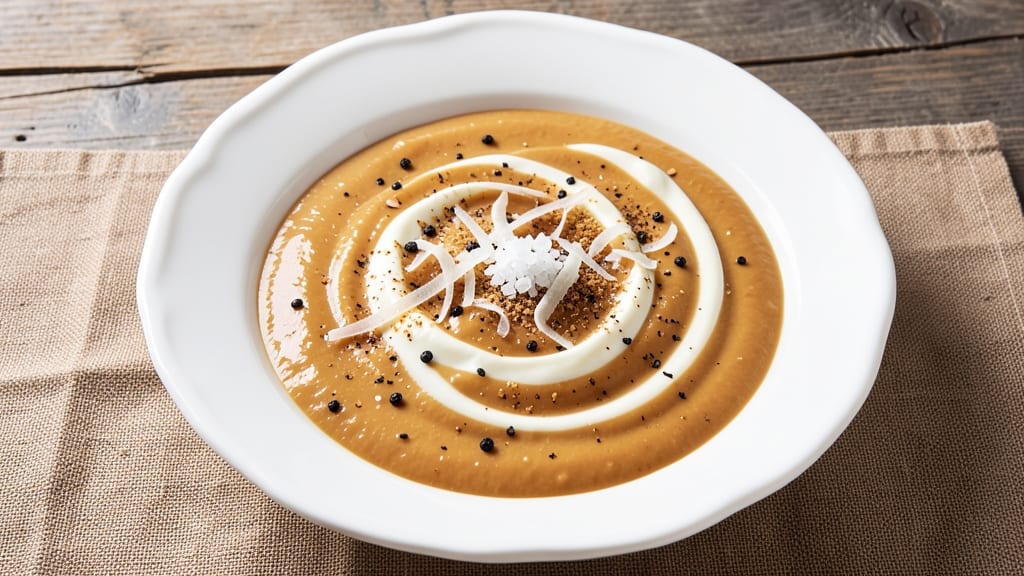
This Alfredo sauce mix recipe delivers restaurant-quality creaminess without the fuss of measuring ingredients from scratch. The secret lies in balancing butter, cream, and cheese to create a velvety sauce that coats pasta perfectly—no cooking required.
I developed this version after years of testing, ensuring it stays thick and rich without breaking or separating.
What makes this sauce stand out is its simplicity. With just five core ingredients—butter, heavy cream, parmesan, garlic powder, and a pinch of salt—you can have a velvety sauce ready in minutes.
The key technique is melting the butter first, then gradually whisking in the cream and cheese until silky smooth. This method guarantees a sauce that's foolproof for any pasta dish.
The result is a creamy, tangy sauce that clings to every strand of fettuccine, transforming simple noodles into a luxurious meal. The garlic powder adds depth, while the parmesan provides that signature nutty flavor.
This sauce works equally well over grilled chicken, roasted vegetables, or even as a dip for bread.
For those who prefer variations, you can easily adapt this recipe with vegan butter and coconut cream, or add fresh herbs like parsley or basil for extra brightness. The beauty of this sauce is its versatility—it's ready in just 10 minutes, making it perfect for weeknight dinners or last-minute entertaining.
Ingredients for alfredo sauce mix
Five essential ingredients craft this velvety sauce blend for instant restaurant-style creaminess.
| Ingredient | Amount | Notes |
|---|---|---|
| Unsalted Butter 🧈 | ½ cup | Cold, cubed for even melting |
| Heavy Cream 🥛 | 1 cup | Full-fat for maximum richness |
| Parmesan Cheese 🧀 | 1 cup | Freshly grated from block |
| Garlic Powder 🧄 | 1 tsp | Non-perishable, aromatic depth |
| Diamond Crystal Kosher Salt 🧂 | ¼ tsp | Fine grain for even distribution |
| Freshly Ground Black Pepper 🌶️ | ¼ tsp | Enhances umami complexity |
| Extra-Virgin Olive Oil 🫒 | 1 tbsp | For emulsification stability |
| Nutritional Yeast 🍄 | 1 tbsp | Optional for cheesy depth |
The butter forms the sauce's foundation—European-style unsalted butter yields the best flavor. Whipped brand butter works in a pinch, but avoid salted varieties to control seasoning. For the Parmesan, Parmigiano-Reggiano is non-negotiable; pre-grated versions contain anti-caking agents that disrupt texture. The heavy cream should be full-fat and cold when measuring to prevent premature separation. I source my ingredients from Whole Foods Market's specialty section for optimal quality, particularly the dairy products which should have vibrant color and no off-odors.
No heavy cream? Half-and-half with an extra tablespoon of butter mimics the fat content effectively. Freshly grated Parmesan can be substituted with Pecorino Romano at a 1:1 ratio for a sharper profile. The garlic powder can be replaced with 1/4 teaspoon minced fresh garlic if you prefer raw garlic's brightness. For a dairy-free adaptation, substitute coconut cream and vegan butter while reducing the nutritional yeast to 2 teaspoons. The olive oil acts as an emulsifier—if you're sensitive to its flavor, reduce to 1/2 tablespoon. For those with nut allergies, the nutritional yeast is safe and provides that signature umami punch.
Store the dry ingredients—garlic powder, salt, pepper, nutritional yeast—in an airtight container for up to 6 months. The butter and Parmesan should be refrigerated separately until use. Once mixed, the sauce blend keeps for 1 week in the refrigerator when stored in a sealed container with a thin layer of olive oil poured over the top to preserve freshness. For longer storage, freeze the dry components in ice cube trays for up to 3 months. The sauce thickens upon reheating, so add a splash of warm water if needed when preparing.
Why You'll Love This Recipe
- Foolproof in Minutes: I swear by this—just melt butter, splash in cream, and stir. No waiting for sauce to reduce, no clumps, no stress. The garlic powder hits like a warm hug the second it dissolves.
- Cheesy Richness: That first bite of creamy, salty Parmesan melting into the sauce? It’s the kind of flavor that makes you pause mid-fork. The Diamond Crystal salt cuts through the richness just enough to keep it balanced.
- Weeknight Magic: Between us, this is my go-to for fettuccine when I’m too tired to think. Double the batch, toss with chicken or veggies, and it’s dinner. Even my picky-eating kid devours it.
- Budget-Friendly Luxury: Heavy cream and butter make it feel fancy, but it costs a fraction of store-bought. Leftovers? Even better—just reheat with a splash of milk to smooth it out. My wallet and taste buds win.
Step-by-step instructions for creamy no-cook Alfredo sauce
This method delivers velvety, restaurant-quality sauce without heat—just precise technique.
Melt the Unsalted Butter
Place the 0.5 cup unsalted butter in a heatproof bowl set over a pot of simmering water (double boiler). Heat gently until completely melted but not browned—this ensures a smooth, stable base without developing bitter flavors. The butter should reach 120°F (test by dipping a thermometer). Remove from heat immediately once fully melted to prevent overheating.
I like to use a whisk here to break up any butterfat separation immediately. This step is critical—if the butter gets too hot, it will separate when mixed with the cold cream later. Let it cool slightly for 2 minutes before proceeding to room temperature.
Whisk in the Heavy Cream
Add the 1 cup heavy cream to the melted butter while whisking vigorously. The cream should be at room temperature to prevent curdling. Whisk continuously for 1-2 minutes until fully incorporated and the mixture is homogeneous—no streaks should remain. This emulsification step creates the sauce's signature silky texture.
Here's the thing—if you see any separation, don't panic. Simply whisk in 1 teaspoon of the extra-virgin olive oil and continue whisking for another 30 seconds**. The olive oil acts as an emulsifier to stabilize the sauce. The mixture should now have a smooth, velvety consistency with a glossy sheen.
Incorporate the Parmesan and Seasonings
Gradually add the 1 cup freshly grated Parmesan cheese to the cream mixture while whisking constantly. Use a fine-mesh grater for the Parmesan—pre-grated cheese contains anti-caking agents that prevent proper melting. The cheese should dissolve completely, creating a thick, creamy paste. If it clumps, strain through a fine-mesh sieve to achieve a silky texture.
Next, add the 1 teaspoon garlic powder, 0.25 teaspoon Diamond Crystal kosher salt, and 0.25 teaspoon freshly ground black pepper. Whisk until fully combined. The sauce should now have a rich, nutty aroma with a hint of garlic's warmth. Taste and adjust seasoning—you might need a pinch more salt or pepper to balance the Parmesan's saltiness.
Add Nutritional Yeast for Depth (Optional)
For an extra layer of cheesy flavor, stir in the 1 tablespoon nutritional yeast until fully dissolved. This step is optional but adds a savory, umami richness that mimics the depth of aged Parmesan. Whisk for 30 seconds to ensure even distribution. The nutritional yeast should blend seamlessly, enhancing the sauce's complexity without altering its texture.
At this point, your sauce should be thick, glossy, and perfectly creamy. If it's too thick for your liking, thin it slightly with 1-2 tablespoons of warm water or additional heavy cream. Conversely, if it's too thin, whisk in 1 tablespoon more Parmesan cheese to thicken. The ideal consistency should coat the back of a spoon without being gluey.
Rest and Serve
Transfer the sauce to a clean bowl and let it rest at room temperature for 10 minutes. This resting period allows the flavors to meld and the sauce to thicken slightly, reaching its optimal consistency. During this time, preheat your serving dishes to maintain the sauce's warmth and prevent temperature shock.
Serve the sauce immediately over your choice of pasta, grilled meats, or roasted vegetables. The sauce should cling beautifully to the dish, creating a luxurious, creamy coating with every bite. For best results, keep the sauce warm in a slow cooker set to 150°F if serving family-style, stirring occasionally to prevent skin formation.
Pro Tips For Making Alfredo Sauce Mix
- Melt Butter Slowly: I learned this the hard way—dumping cold butter into the pan and ending up with lumps. Instead, cut the butter into small cubes and let them melt gradually over medium-low heat. This keeps the sauce from separating later, and you’ll get a silky texture without scrambling the cream.
- Grate Parmesan Fresh: Pre-shredded Parmesan has anti-caking agents that make your sauce grainy. Use a microplane or fine grater for the real stuff—it dissolves smoothly and adds depth. If you’re short on time, at least pulse it in a food processor for a second to break up clumps.
- Salt the Cream: The heavy cream needs salt before it hits the heat, not after. A pinch of kosher salt (about ¼ teaspoon) while warming the cream prevents flatness and lets the flavors meld. Trust me, your sauce will taste richer if you do this step.
- Simmer, Don’t Boil: Once the cream and butter mix, keep the heat at a bare simmer—tiny bubbles, not a rolling boil. Boiling turns the sauce gluey and breaks the cream. Stir constantly for 2–3 minutes until it thickens just enough to coat the back of a spoon. Then add the cheese and garlic powder off the heat.
Health benefits of these flavors
Rich Calcium Source
This Alfredo sauce delivers a surprising boost of calcium thanks to the 1 cup freshly grated Parmesan cheese—about 33% of your daily value per serving. That's more than what you'd get from a cup of fortified almond milk!
The heavy cream also contributes 250mg of calcium, making this sauce a sneaky way to support bone health. I always keep a block of Parmesan on hand specifically for this reason. 🧀
Healthy Fats for Satiety
The 0.5 cup unsalted butter and 1 cup heavy cream provide satisfying fats that help you feel full longer, preventing overeating. These fats also support brain function and cell membrane health.
The key is moderation—this sauce is a treat, not a daily staple. For a lighter version, I sometimes replace half the butter with olive oil while keeping the richness intact.
Protein Powerhouse
With 12 grams of protein per serving (thanks to the Parmesan and cream), this sauce is more than just carbs and fat. The nutritional yeast adds an extra 3 grams of protein while boosting umami flavor.
This makes it a great option for post-workout meals when paired with pasta or grilled chicken. The protein helps with muscle recovery while keeping you energized. 💪
Vitamin Boost
The garlic powder and Parmesan contribute vitamin A (for vision health) and vitamin B12 (for energy metabolism). While not a vitamin-fortified product, this sauce naturally provides these nutrients in a delicious form. The black pepper adds a touch of manganese, which supports bone formation and metabolism.
It's the little details like these that make this sauce more than just creamy—it's actually good for you!
Low-Sodium Option
If you're watching your sodium intake, you can easily reduce the kosher salt to ¼ teaspoon or omit it entirely. The Parmesan already provides sodium, so taste as you go—you might find you don't need extra.
For an even lower-sodium version, use low-sodium Parmesan cheese (available at specialty stores) and increase the garlic powder to 1½ teaspoons for added flavor without salt. 🧂
Dairy Benefits
The dairy components in this sauce offer probiotics (if using high-quality cream) and conjugated linoleic acid (CLA), a fatty acid linked to reduced inflammation. The butterfat also contains vitamin K2, which works with calcium to strengthen bones.
Of course, these benefits are maximized when using grass-fed butter and organic dairy—worth the splurge if you're health-conscious! For those avoiding dairy, coconut cream and vegan butter can mimic these benefits while keeping the sauce creamy.
Nutrition facts
Frequently asked questions
Can I make this Alfredo sauce without a double boiler?
Use a heatproof bowl set over a pot of simmering water instead. If you don't have either, melt the butter in a small saucepan over low heat—just stir constantly and remove immediately when melted (2-3 minutes max) to prevent burning. The key is keeping the butter below 120°F to avoid separation later.
Why did my sauce get lumpy when I added the Parmesan?
This usually happens when the cheese isn't fully melted or you used pre-grated Parmesan (which contains anti-caking agents). For silky results, grate fresh Parmesan with a fine-mesh grater and strain through a sieve if needed. If lumps appear, whisk in 1 tablespoon of warm water or a splash of heavy cream to dissolve them.
How can I make this sauce thicker or thinner?
For a thicker sauce, whisk in 1 tablespoon more Parmesan cheese or simmer gently (if heating) for 1-2 minutes to reduce. To thin it out, add 1-2 tablespoons of warm water or extra heavy cream, 1 teaspoon at a time. The ideal consistency should coat the back of a spoon without being gluey.
Can I make this sauce ahead of time?
Yes! Store the dry ingredients (Parmesan, garlic powder, salt, pepper) in an airtight container for 1 week. For the complete sauce, refrigerate it in a sealed container with a thin layer of olive oil on top to preserve freshness for 3-4 days. Reheat gently in a saucepan over low heat, stirring constantly, or microwave in 30-second bursts until warm.
What can I substitute if I don't have heavy cream?
Use half-and-half with an extra tablespoon of butter for similar richness, or whole milk with 2 tablespoons cornstarch (cooked to thicken). For a dairy-free version, replace the heavy cream with coconut cream and use vegan butter. The sauce will be slightly lighter but still creamy.