
Sauces & Condiments
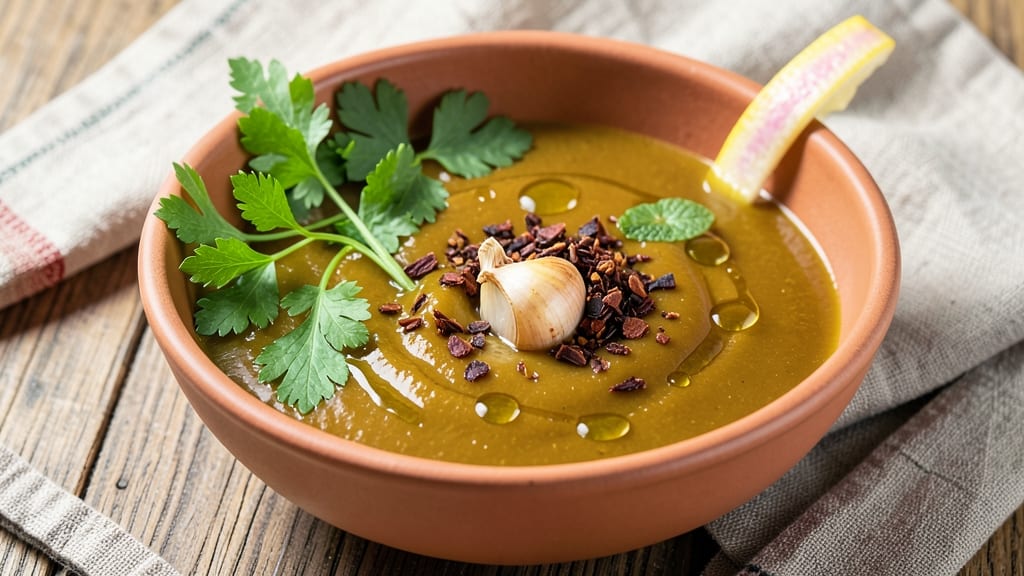
This Aleppo sauce recipe transforms smoky red pepper flakes into a versatile condiment with bright, fresh herb notes—perfect for elevating everything from grilled meats to roasted vegetables. The key lies in balancing heat with acidity, creating a sauce that’s complex yet simple to make.
I developed this version after years of experimenting with Middle Eastern flavors, and it’s become my go-to for adding depth to dishes without overpowering them.
The foundation is Aleppo pepper flakes, which offer a fruity, medium heat that’s less harsh than cayenne. Combined with olive oil and a touch of vinegar, they create a silky-smooth paste with just the right tang.
Fresh herbs like parsley or mint add brightness, while garlic and lemon juice round out the flavor profile. The result is a sauce that’s equally at home drizzled over hummus, mixed into marinades, or stirred into soups.
What makes this recipe special is its versatility—it works in both traditional and modern dishes. The sauce keeps well in the refrigerator for up to two weeks, so you can make a batch and use it throughout the week.
Whether you’re cooking for a crowd or just looking to add a little extra flavor to a simple meal, this sauce delivers restaurant-quality results with minimal effort.
Once you try homemade Aleppo sauce, store-bought versions won’t compare. The fresh herbs and carefully balanced spices make all the difference. Let’s get started—your taste buds will thank you.
Ingredients for aleppo sauce
Nine simple ingredients create a sauce that transforms ordinary meals into something extraordinary.
| Ingredient | Amount | Notes |
|---|---|---|
| Aleppo Pepper Flakes 🌶️ | ½ cup | High-quality, fruity heat preferred |
| Extra-Virgin Olive Oil 🫒 | ¾ cup | Lightly fruity, not bitter |
| Fresh Flat-Leaf Parsley 🌿 | ½ cup | Stems removed, finely chopped |
| Fresh Mint Leaves 🍃 | ¼ cup | Optional, for extra brightness |
| Garlic Cloves 🧄 | 2 cloves | Peeled, finely minced |
| Fresh Lemon Juice 🍋 | 2 tbsp | Bright, freshly squeezed |
| Red Wine Vinegar 🍷 | 1 tbsp | For balanced acidity |
| Salt 🧂 | ½ tsp | Diamond Crystal preferred |
| Granulated Garlic 🧄 | ½ tsp | For extra depth (optional) |
The Aleppo pepper flakes are the heart of this sauce—look for vibrant red flakes at Middle Eastern markets or specialty stores like Whole Foods or Penzeys. The good stuff has a fruity, medium heat that’s far more complex than cayenne. For olive oil, a light, fruity extra-virgin works best—avoid the bitter varieties. Fresh herbs are non-negotiable here; parsley and mint from the grocery store’s produce section will work, but they’ll last longer if you grab them from the farmers market on the day you plan to use them. The garlic should be fresh—no pre-minced jars here.
No Aleppo pepper? Cayenne plus smoked paprika at a 2:1 ratio gets you close, but it won’t have that same fruity depth. Short on fresh herbs? Dried parsley at one-third the amount works in a pinch, but you’ll lose that bright finish. The vinegar can be swapped for lemon juice if you’re out, though red wine vinegar gives that signature tang. For a smoother texture, blend everything until silky—no need for a food processor, a blender works perfectly. If you’re feeling adventurous, add a pinch of sumac for an extra Middle Eastern touch.
This sauce keeps beautifully—up to 2 weeks in the fridge, covered with a thin layer of olive oil. For longer storage, freeze in ice cube trays and transfer to a bag. The flavor actually improves over time as everything melds together. I like to make a big batch and use it throughout the week on everything from grilled chicken to roasted potatoes. A little goes a long way, so start with a teaspoon and adjust to taste.
Why You'll Love This Recipe
- Five-Ingredient Magic: That’s it—just five things in a blender. No peeling mountains of garlic or chopping endless herbs. Honestly, I’ve made this while my toddler “helped” dump in the mint leaves (yes, some ended up in the sauce, but it’s fine).
- Sunshine in a Jar: The Aleppo pepper gives this a bright, warm kick—not too sharp, just a slow-building heat that lingers. Toss it on toast with olive oil, and suddenly breakfast feels like a Mediterranean vacation.
- Weeknight Swiss Army Knife: This stuff works on everything. Drizzle it over roasted veggies, mix it into hummus, or use it as a marinade for chicken. Between us, I’ve even spread it on scrambled eggs when I was too tired to think.
- Pantry Goldmine: A little goes a long way—this keeps for weeks in the fridge, and the flavors deepen over time. Plus, you’re using ingredients you probably already have (hello, olive oil). My wallet and taste buds thank me.
Step-by-step instructions for Aleppo sauce
This vibrant sauce comes together in minutes with bold flavors and perfect balance.
Toast the Aleppo Pepper Flakes
Heat a small skillet over medium-low heat and add the 0.5 cup Aleppo Pepper Flakes. Toast them for 1-2 minutes until fragrant and slightly darker in color—you'll smell that warm, smoky red pepper aroma. Stir constantly to prevent burning, which would make the sauce bitter.
Here's the thing—this toasting step develops the pepper's natural sweetness and deepens its smoky character. You're looking for a subtle color change from bright red to a rich, rusty hue. Remove from heat immediately once you detect that toasty aroma, then transfer the peppers to a small bowl to cool slightly. Don't rush this step; the peppers need to cool enough to handle safely when you add the oil later.
Infuse the Olive Oil
In a separate small saucepan, combine the 0.75 cup Extra-Virgin Olive Oil with the 2 cloves Garlic Cloves and 0.5 tsp Granulated Garlic. Warm over low heat for 3-4 minutes until the garlic becomes fragrant but doesn't brown—just until you can smell that sweet garlic aroma without any bitterness.
This gentle warming process infuses the oil with garlic's sweetness without letting it turn bitter. Remove from heat and let the mixture cool to room temperature. I like to place the saucepan in an ice bath for 5 minutes to speed up cooling—this prevents the garlic from continuing to cook and potentially burning when we add it to the peppers later.
Blend the Base Ingredients
Transfer the toasted Aleppo Pepper Flakes to a blender or food processor. Add the cooled infused olive oil, 2 tbsp Fresh Lemon Juice, and 1 tbsp Red Wine Vinegar. Blend on medium speed for 30 seconds until you have a smooth, slightly thick paste. Stop and scrape down the sides if needed—this ensures even blending of the oil and peppers.
The sauce should have a vibrant red color with a slightly thick, almost paste-like consistency at this stage. Here's where it gets interesting—the lemon juice and vinegar work together to brighten the pepper's heat while adding complexity. Taste a small amount now to check the balance—you should detect the smoky pepper, sweet garlic, and a touch of tang without overwhelming acidity.
Finish with Fresh Herbs
Add the 0.5 cup Fresh Flat-Leaf Parsley and 0.25 cup Fresh Mint Leaves to the blender. Pulse in short bursts until the herbs are finely chopped but still visible—you want texture, not a completely smooth sauce. With the blender running on low speed, drizzle in about 2 tablespoons of water to help emulsify the mixture and achieve a pourable consistency.
This is the moment that matters: the herbs add freshness that cuts through the pepper's heat and oil's richness. The mint brings bright citrus notes that complement the lemon juice, while the parsley adds a clean, fresh finish. Taste again and adjust seasoning with the 0.5 tsp Salt if needed—you might need a pinch more to balance all the flavors.
Rest and Adjust
Transfer the sauce to a clean jar and let it rest at room temperature for 30 minutes. This resting period allows all the flavors to meld together beautifully. After resting, give it one final taste and adjust if needed—perhaps a splash more lemon juice for brightness or a tiny pinch of salt for balance.
Here's what you're aiming for: a vibrant red sauce with layers of smoky heat from the Aleppo peppers, sweet garlic depth, bright herbaceous notes, and just enough acidity to keep it interesting. The texture should be smooth yet slightly textured from the herbs, with a consistency that clings beautifully to any dish you drizzle it over. Store in an airtight container in the refrigerator for up to 2 weeks—it only gets better with time as the flavors continue to develop.
Pro Tips For Making Aleppo Sauce
- TOAST THE PEPPERS LOW: I learned this the hard way—blasting Aleppo flakes in olive oil on high heat turns them bitter fast. Instead, warm the oil to just before smoking (160°F/70°C) and let the peppers infuse for 2–3 minutes. The sauce will taste brighter, not burnt.
- CHOP MINT COARSELY: Fine mint turns to mush and muddies the sauce. Rough chop the leaves (about ¼-inch pieces) so they retain texture and release flavor without dissolving. Same goes for parsley—keep it chunky.
- SALT THE GARLIC FIRST: Crush the garlic cloves with a pinch of salt before adding them to the oil. This prevents them from sticking to the pan and ensures even cooking. (Yes, even if you’re impatient like me.)
- PULSE HERBS AT THE END: Blend the sauce until smooth, then pulse in the herbs in short bursts. Over-blending turns parsley and mint into a paste—you want visible flecks for texture. Stop when it’s just combined, not pureed.
Flavor customization for this dish
Spice Level Control
Adjust the heat to your preference by modifying the Aleppo pepper flakes. For a milder sauce, reduce to 0.25 cup and add 1 tsp smoked paprika to maintain depth. If you love heat, increase to 0.75 cup peppers and add 1 tsp cayenne for extra kick.
I find this works best when you toast the peppers longer for deeper flavor without increasing quantity. 🌶️
Herb Variations
Swap or combine herbs based on what you have. For a Mediterranean twist, use 0.5 cup fresh dill instead of mint—it adds a bright, slightly tangy note.
A Middle Eastern profile works with 0.25 cup cilantro and 0.25 cup parsley. If using cilantro, add 1 tbsp lemon zest to complement its citrusy undertones.
Acidity Balance
Control the tang with vinegar and lemon juice ratios. For more brightness, increase lemon to 3 tbsp and reduce vinegar to 0.5 tbsp. Need extra depth? Add 1 tsp pomegranate molasses for a fruity, slightly sweet contrast.
I often adjust this based on the dish—I use more lemon for seafood and extra vinegar for hearty meats.
Texture Adjustments
For a smoother sauce, blend longer and add 1 tbsp water at a time until pourable. Prefer texture? Pulse herbs briefly and leave some visible flecks. To thicken, simmer the blended sauce for 5 minutes on low heat.
For extra richness, stir in 1 tbsp tahini after blending—it adds nutty depth and helps emulsify.
Flavor Boosters
Add complexity with optional ingredients. A pinch of sumac brightens the sauce with citrusy tang. For umami, include 1 tsp soy sauce or tamari in the blending step.
Need warmth? Infuse the olive oil with 1 tsp ground cumin before warming. These additions elevate the sauce without overpowering its natural balance. ✨
Sweet-Savory Twist
Balance heat with sweetness by adding 1 tbsp honey or maple syrup during blending. This works beautifully with grilled meats or roasted vegetables. For a smoky-sweet profile, add ½ tsp liquid smoke along with the vinegar.
I love this variation for drizzling over hummus or as a marinade base for chicken skewers.
Nutrition facts
Frequently asked questions
Can I make Aleppo sauce without a blender?
If you don't have a blender, finely chop the toasted Aleppo pepper flakes with a knife or mortar and pestle. Then, mix them with the infused olive oil, lemon juice, vinegar, and herbs in a bowl. Use a fork to mash everything together until you achieve a thick, paste-like consistency. The texture will be slightly grainier, but the flavors will still shine through beautifully.
How long does homemade Aleppo sauce last? The sauce keeps well in an airtight container in the refrigerator for up to 2 weeks. For longer storage, freeze it in ice cube trays or small portions. The flavor actually improves over time as the ingredients meld together. Just
What can I use if I don’t have Aleppo pepper flakes?
For a similar flavor, mix 0.3 cup cayenne pepper with 0.2 cup smoked paprika to mimic the fruity, medium heat of Aleppo peppers. Toast the blend for 1-2 minutes to deepen the smoky notes. This substitution won’t be identical but will give you a comparable kick with a slightly different depth of flavor.
Can I make this sauce spicier or milder?
Adjust the heat by changing the amount of Aleppo pepper flakes. For a milder sauce, reduce to 0.25 cup and add 1 tsp smoked paprika for depth. For extra heat, increase to 0.75 cup peppers and add ½ tsp cayenne. Toast the peppers longer for deeper flavor without increasing quantity. Taste as you go to find your perfect balance.
How should I store leftover sauce?
Transfer the sauce to a clean, airtight jar or container. Cover the surface with a thin layer of olive oil to preserve freshness. Store in the refrigerator for up to 2 weeks. For longer storage, freeze in small portions—thaw in the fridge overnight before using. The oil layer helps prevent oxidation and keeps the herbs vibrant.