
Sauces & Condiments
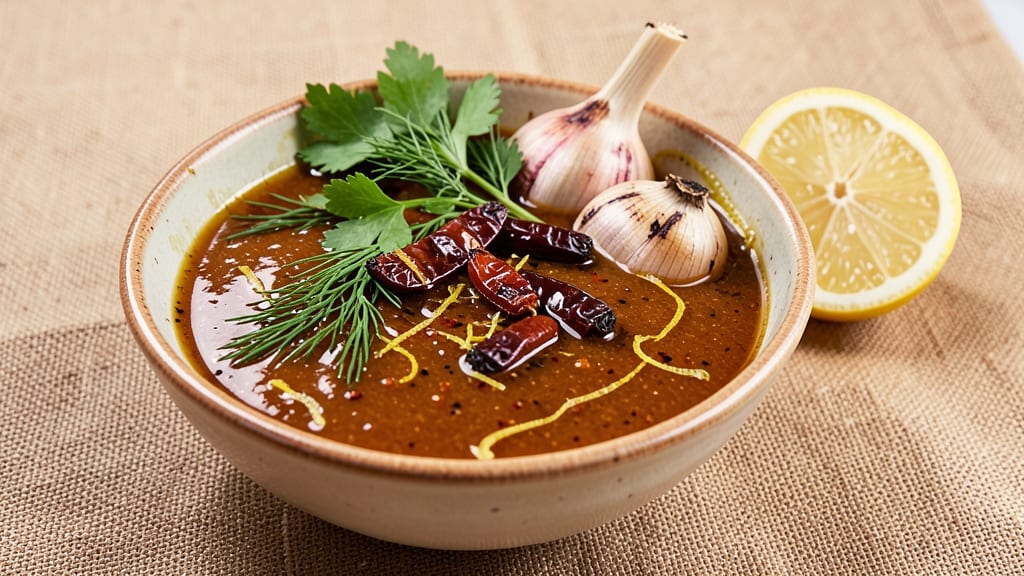
This Aleppo pepper sauce recipe transforms humble pantry staples into a versatile condiment that bridges smoky heat and fresh herb brightness. The secret lies in balancing Aleppo pepper's signature depth with bright lemon and fragrant herbs, creating a sauce that elevates everything from grilled meats to simple salads. I developed this version after years of testing—it's the one that finally delivers that perfect harmony of warmth and freshness without overpowering.
The process is simpler than you'd think: toast the peppers to deepen their flavor, then blend with olive oil, garlic, and lemon juice until perfectly emulsified. The key technique is adding ingredients gradually to the blender while running it continuously—this ensures a silky, stable sauce that won't separate.
What makes this sauce special is how it transforms dishes: drizzle over roasted vegetables for instant complexity, mix into dressings for Mediterranean flair, or serve as a bold dip for bread and olives.
What you'll end up with is a vibrant red sauce with layers of smoky heat and bright acidity, ready to enhance any meal. The Aleppo pepper provides warmth that builds gradually rather than burns immediately, while the fresh herbs add an aromatic freshness that cuts through richness.
This isn't just another hot sauce—it's a flavor multiplier that turns simple ingredients into something extraordinary. The best part? It keeps beautifully in the refrigerator for up to two weeks, so you can make a batch and use it all season.
Whether you're pairing it with charred grilled chicken, drizzling over fresh hummus, or using it as a marinade base, this sauce becomes your culinary secret weapon. The instructions walk you through every step to ensure perfect results—no guesswork, just reliable flavor.
Let's make this versatile sauce that will quickly become a staple in your kitchen.
Ingredients for aleppo pepper sauce
Eight simple ingredients transform into a vibrant sauce with smoky heat and herb brightness.
| Ingredient | Amount | Notes |
|---|---|---|
| Aleppo Pepper 🌶️ | 2 tbsp | Toasted for deeper flavor |
| Extra-Virgin Olive Oil 🫒 | ¾ cup | High-quality, fruity variety |
| Garlic Cloves 🧄 | 3 cloves | Freshly peeled and toasted |
| Fresh Lemon Juice 🍋 | ¼ cup | Freshly squeezed, strained |
| Fresh Flat-Leaf Parsley 🌿 | ⅓ cup | Stems removed, loosely packed |
| Fresh Dill 🌿 | ¼ cup | Chopped, loosely packed |
| Salt 🧂 | ½ tsp | Diamond Crystal kosher salt |
| Black Peppercorns 🌶️ | ¼ tsp | Freshly cracked |
The Aleppo pepper is the heart of this sauce—look for vibrant red flakes at Middle Eastern markets or specialty stores like Whole Foods or Trader Joe's. Toasting the pepper in a dry pan for 30 seconds deepens its smoky flavor dramatically (don't let it burn!). For the olive oil, California avocado oil or Spanish Picual adds subtle fruity notes that complement the pepper beautifully. The garlic should be toasted until golden for a nutty depth—skip the raw minced kind here. Fresh herbs are non-negotiable: parsley and dill add that bright, aromatic freshness that cuts through the pepper's warmth.
No Aleppo pepper? Smoked paprika plus cayenne (1 tbsp each) gets you close—though it won't have that signature slow-building heat. Substitute dried parsley at half the amount, but fresh is absolutely essential for that vibrant finish. For the olive oil, avocado oil works identically, while light olive oil lacks the fruity complexity. The lemon juice can be bottled in a pinch, but fresh is worth the squeeze. Toasting the garlic is crucial—it transforms from sharp to nutty, making the sauce sing. If you're short on time, use garlic powder (1 tsp), but you'll miss that toasted aroma.
This sauce keeps beautifully for up to 2 weeks in the fridge when stored in a clean glass jar with a tight seal. The oil helps preserve it naturally—no need for vinegar. For longer storage, freeze in ice cube trays (each cube = 1 tbsp) for up to 6 months. The flavor actually improves over time as the pepper's heat mellows and the herbs' brightness softens. I always make a double batch—one for immediate use, one to freeze. The sauce thickens slightly when refrigerated, so give it a quick whisk before using. Trust me, the first time you drizzle this over grilled fish or roasted veggies, you'll be hooked.
Why You'll Love This Recipe
- No-Fuss Blend: I swear by this—just toast the garlic in olive oil until it’s golden, then toss in the Aleppo pepper and parsley. No blender, no strainer, no fuss. My hands are clean, and the sauce is ready in 10 minutes.
- Sunshine in a Jar: That bright, citrusy kick from the lemon juice cuts through the pepper’s warmth like a cool breeze. It’s not just spicy—it’s alive, with layers of garlicky depth and fresh herbs that make every bite feel like a little Mediterranean vacation.
- Pantry Powerhouse: Honestly, this sauce is my secret weapon for lazy nights. Drizzle it over roasted veggies, toss it with pasta, or even mix it into yogurt for a dip. The Aleppo pepper’s mild heat lingers just enough to make everything taste better, not overpowering.
- Lasts All Week: Between us, I make a big batch on Sundays and keep it in the fridge. The olive oil preserves the flavors, and the lemon keeps it from going stale. A few drops here, a splash there—it’s my go-to for reviving boring meals without extra effort.
Step-by-step instructions for Aleppo pepper sauce
This vibrant sauce delivers complex smoky heat with bright herbaceous notes—perfect for drizzling over grilled meats or fresh salads.
Toast the Aleppo Pepper for Depth
Heat a dry skillet over medium-low heat and add the 2 tbsp Aleppo pepper. Toast for 2-3 minutes, stirring constantly, until you smell its nutty, smoky aroma and see the edges just beginning to darken. This step develops the pepper's natural oils and intensifies its flavor—don't walk away, or it'll burn quickly. Transfer the toasted pepper to a small bowl and set aside.
Here's the thing—Aleppo pepper has a delicate balance of sweet and heat. Toasting enhances its complexity without overpowering the fresh herbs we'll add later. If you prefer milder heat, reduce toasting time slightly, but never skip this step entirely.
Infuse the Olive Oil with Toasted Pepper
In the same skillet, add the 0.75 cup extra-virgin olive oil and warm it over low heat for 1 minute. Remove from heat and immediately stir in the toasted Aleppo pepper. Let the mixture steep for 10 minutes, stirring occasionally. This infusion creates the sauce's smoky foundation while preserving the oil's fruity notes.
I like to use a high-quality olive oil here—its natural fruitiness complements the pepper's warmth beautifully. If you're impatient, you can skip the steeping and proceed, but the extra time ensures richer flavor. Strain the infused oil through a fine-mesh sieve into a clean bowl, pressing gently on the pepper to extract every last drop.
Toast the Garlic for Sweet Aroma
In the same skillet (no need to clean it), add the 3 cloves garlic cloves and toast over medium heat for 1-2 minutes until they turn golden and smell irresistibly sweet. Be vigilant—garlic burns faster than you think. Immediately transfer the toasted garlic to the bowl with the infused oil.
Toasted garlic adds a completely different dimension than raw. It's sweeter, more aromatic, and won't overpower the sauce with its sharpness. Let the garlic cool in the oil for 5 minutes before proceeding—this prevents it from releasing bitter compounds when we add the lemon.
Build the Sauce with Fresh Herbs and Acid
Add the 0.33 cup chopped fresh flat-leaf parsley, 0.25 cup chopped fresh dill, 0.25 cup fresh lemon juice, 0.5 tsp salt, and 0.25 tsp freshly cracked black peppercorns to the bowl. Using a wooden spoon, gently fold everything together until fully combined. The herbs should brighten the smoky base while the lemon juice cuts through any richness.
Taste and adjust seasoning—you might need a touch more salt to balance the pepper's heat, or a splash more lemon if the sauce tastes too heavy. The sauce should be vibrant, with a smooth texture that coats the back of a spoon. If it's too thick, thin with 1-2 tablespoons water until you reach your desired consistency.
Rest and Serve for Optimal Flavor
Cover the sauce and let it rest at room temperature for 15-20 minutes. This allows the flavors to meld completely—you'll notice the heat mellows slightly while the herbal notes become more pronounced. The sauce will keep in the refrigerator for up to 1 week, though I find it's best used within 3-4 days for peak freshness.
This sauce transforms simple dishes into something extraordinary. Drizzle it over grilled lamb chops, toss with roasted vegetables, or use it as a marinade base. The balance of smoky heat and fresh herbs makes it incredibly versatile—experiment and find your favorite way to enjoy it!
Pro Tips For Making Aleppo Pepper Sauce
- Bloom the Garlic Gently: I learned this the hard way—crushing garlic cloves whole into hot oil turns bitter fast. Instead, mince them finely (almost like a paste) and cook them on low heat for 3-4 minutes until just golden, not brown. That’s when their sweetness shines through, not their harshness.
- Toast the Aleppo First: Skip throwing raw Aleppo pepper into cold oil. Lightly toast the pepper in a dry pan for 20-30 seconds until it smells toasty, not burnt. This deepens its smoky-sweet flavor—no, it won’t change the world, but it’ll make your sauce taste like it was made by someone who actually cares.
- Strain the Oil Twice: The first strain removes the garlic bits. The second—through a fine-mesh sieve or cheesecloth—keeps the sauce silky. I know, it’s extra work, but that one step is what turns your sauce from "homemade" to "restaurant-quality." (Yes, even if you’re impatient like me.)
- Balance the Heat with Lemon: Add the lemon juice last—after everything else cools slightly. Too early, and the acid will mute the garlic’s depth. Too late, and you might overpower the Aleppo’s warmth. Taste as you go: aim for a bright finish, not a pucker. (And no, "a splash" isn’t precise—measure 1 tablespoon, adjust.)
Make-ahead tips for this recipe
Batch Prep Essentials
Make a double batch of this sauce—it's perfect for meal prep! The ingredients scale perfectly, so simply double all measurements. Store in glass jars (I love Le Parfait brand) with tight lids to preserve freshness.
Label with the date so you can track freshness—this sauce actually tastes better after 2-3 days as flavors meld. 🌿
Freezing for Later
Freeze in 1-tablespoon portions using ice cube trays for easy single-use servings. Once frozen, transfer cubes to a ziplock bag and flatten to save space. Thaw overnight in the fridge—no microwave needed.
The texture remains smooth, though the herbs will lose some brightness. Perfect for adding heat to winter soups or marinades. ❄️
Long-Term Storage Hacks
For 3-6 months of storage, freeze the sauce in small glass jars (like Ball mason jars). Leave ½-inch headspace to prevent cracking. When ready to use, thaw in the fridge overnight—stir well and adjust consistency with a splash of water if needed.
The pepper's heat mellows slightly over time, making it ideal for milder winter dishes. 💫
Reviving Stale Sauce
If your refrigerated sauce thickens or separates, simply whisk in 1 tablespoon water or lemon juice until smooth. For extra brightness, stir in 1 teaspoon fresh herbs or a pinch of toasted Aleppo pepper.
I've revived sauce that sat for 2 weeks using this method—it comes back better than ever! The key is patience and a gentle hand. 🔥
Portion Control
Use 1 tablespoon per serving when drizzling over dishes. For marinades, reduce to ½ tablespoon per pound of meat to avoid overpowering. Store leftovers in small ramekins (like Pyrex) for easy grab-and-go portions.
The sauce's vibrant color makes it perfect for garnishing—just a few drops elevate any plate instantly. 💡
Flavor Boosting
Need extra punch? Stir in ½ teaspoon smoked paprika or 1 teaspoon honey before storing. For a tangy twist, add 1 teaspoon red wine vinegar. These adjustments work especially well if you're using the sauce for dips or dressings.
Always taste before storing to ensure balance. The sauce's versatility makes it a meal prep MVP! ✨
Nutrition facts
Frequently asked questions
Can I make this sauce without fresh herbs?
You can substitute 1 tablespoon dried parsley and 1 teaspoon dried dill (about 1/3 the fresh amount), but the flavor won't be as vibrant. Fresh herbs add that bright, aromatic quality that balances the pepper's smoky warmth. If you're short on time, try 1 teaspoon dried oregano instead—it pairs surprisingly well with Aleppo pepper.
How do I adjust the heat level?
For milder heat, reduce the Aleppo pepper to 1 tablespoon and add ½ teaspoon smoked paprika for depth. For extra spice, increase to 3 tablespoons Aleppo pepper and add ¼ teaspoon cayenne pepper. Always taste before storing—you can always adjust with more lemon juice or herbs to balance. The sauce's heat mellows slightly after resting, so don't be afraid to start with more pepper than you think you need!
What's the best way to use this sauce?
This versatile sauce works beautifully as a drizzle over grilled meats, marinade base, or dip for bread and olives. Try mixing it into hummus or yogurt sauces for Mediterranean flair, or use it to finish roasted vegetables. The key is to add it at the end of cooking to preserve its bright flavors. For marinades, reduce to ½ tablespoon per pound of meat to avoid overpowering.
Why did my sauce separate?
This usually happens when the oil and water-based ingredients aren't properly emulsified. Fix it by whisking in 1 tablespoon water or lemon juice until smooth. For prevention, add ingredients gradually to the blender while running it continuously. If you prefer a thicker sauce, strain it through a fine-mesh sieve before serving. The sauce should have a silky texture that coats the back of a spoon.
Can I make this sauce without olive oil?
Yes! Use avocado oil or neutral oil like grapeseed, but avoid light olive oil as it lacks the fruity complexity. For a different flavor profile, try walnut oil (add 1 tablespoon at the end for nutty depth). The oil carries the pepper's flavor, so choose one with good heat stability—don't use delicate oils like macadamia that might burn during toasting.