
Sauces & Condiments
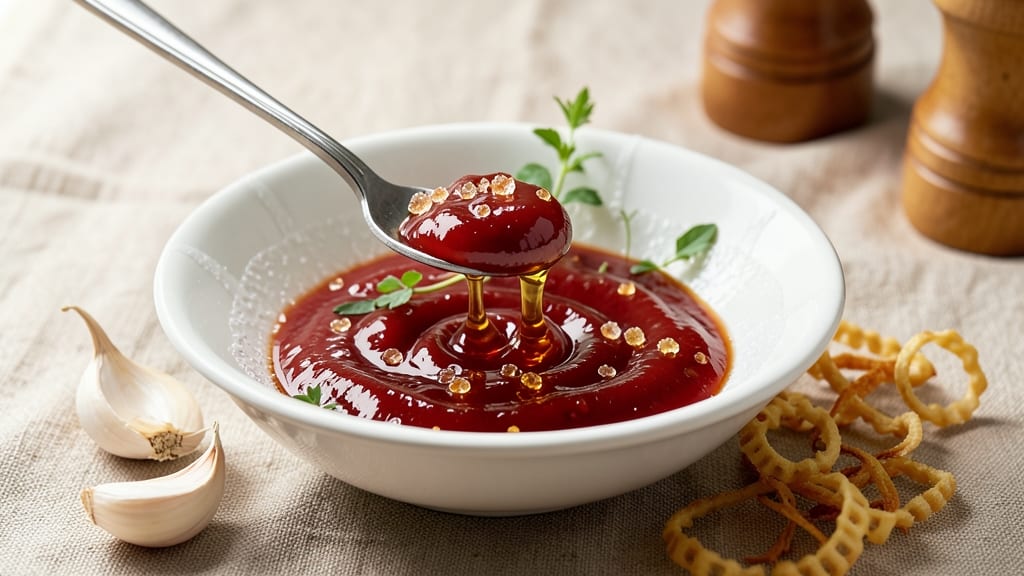
Aldi's sweet and sour sauce recipe transforms store-bought stir-fries into restaurant-quality meals with just five simple ingredients. This homemade version delivers that perfect balance of tangy vinegar and sweet ketchup, with a depth you won't find in the bottle. The secret lies in simmering the ingredients until thickened, creating a glossy sauce that clings beautifully to proteins and vegetables.
What sets this sauce apart is its versatility—use it as a stir-fry glaze, dipping sauce, or even a marinade for meats. The recipe includes optional garlic and ginger for extra flavor complexity, though it works perfectly without them.
Unlike commercial versions, this sauce stays fresh in the refrigerator for up to two weeks, making it ideal for meal prep.
The result is a sauce that's both sweet and tangy, with just the right amount of acidity to cut through rich dishes. It's the kind of homemade condiment that elevates everyday meals into something special.
Whether you're cooking for a crowd or prepping for the week, this recipe delivers consistent, professional-quality results every time.
For best results, let the sauce sit for 10 minutes after simmering—this allows the flavors to meld completely. The texture becomes perfectly thick and glossy, ready to transform your next meal. Store leftovers in an airtight container in the fridge for up to two weeks, or freeze for longer storage.
Ingredients for aldi sweet and sour sauce
Five simple ingredients transform basic stir-fry into restaurant-quality magic.
| Ingredient | Amount | Notes |
|---|---|---|
| Ketchup 🍅 | 1 cup | High-quality, no sugar added preferred |
| Rice Vinegar 🍶 | ½ cup | White or seasoned variety |
| Granulated Sugar 🍚 | ½ cup | White or brown sugar works |
| Water 💧 | ½ cup | Room temperature preferred |
| Cornstarch 🌾 | 2 tbsp | For thickening, instant preferred |
| Garlic Cloves 🧄 | 2 cloves | Minced, optional for extra flavor |
| Ginger Root 🌿 | 1 tbsp | Freshly grated, optional |
| Soy Sauce 🥢 | 1 tbsp | Light or dark variety |
| Salt 🧂 | ½ tsp | Kosher or sea salt preferred |
The ketchup is the foundation—Heinz or Hunt's work perfectly, but skip the sugar-free versions since we're balancing sweetness. Rice vinegar should be white for tanginess, though seasoned vinegar adds subtle depth. For sugar, Domino or C&H are reliable, but organic cane sugar adds a cleaner taste. The cornstarch is non-negotiable for that glossy texture; instant cornstarch dissolves faster. Garlic and ginger are optional but elevate the sauce significantly—fresh is best, though jarred minced works in a pinch. Soy sauce adds umami; Kikkoman or La Choy are solid choices.
No rice vinegar? Apple cider vinegar or white wine vinegar works in a bind, though the flavor profile shifts slightly. Short on sugar? Honey or maple syrup at half the amount adds complexity. The cornstarch can be swapped for arrowroot powder at the same quantity. If you skip garlic and ginger, boost the soy sauce to 2 tbsp for depth. For a smokier twist, add ½ tsp smoked paprika. The sauce thickens as it cools, so don't over-thicken it initially—you can always add water later.
This sauce thickens beautifully when reheated, making it perfect for meal prep. Store in an airtight container in the fridge for up to 2 weeks, though it often lasts 10-14 days before flavor fades. For longer storage, freeze in ice cube trays—thaw and stir back to perfection. The sauce also freezes well in 1-cup portions for easy use in future stir-fries or marinades.
Why You'll Love This Recipe
- Here’s what sold me: the sugar and vinegar team up for that perfect bite—bright, not cloying, with just enough heat to wake up your taste buds. (Yes, even on a Tuesday night.) The cornstarch thickens it just enough to coat everything beautifully.
- Pantry Magic: I swear, this sauce comes together with stuff I already have—no fancy shopping needed. Just ketchup, vinegar, and a splash of water, then stir until it’s glossy and tangy. That’s it. No stress, no last-minute grocery runs.
- Sweet-Tart Balance: Here’s what sold me: the sugar and vinegar team up for that perfect bite—bright, not cloying, with just enough heat to wake up your taste buds. (Yes, even on a Tuesday night.) The cornstarch thickens it just enough to coat everything beautifully.
- Game for Any Meal: Slather it on grilled chicken, toss it with noodles, or drizzle it over fries—this sauce doesn’t care what you throw at it. I’ve used it for weeknight dinners, potlucks, and even as a quick dip for veggies. It’s the ultimate flavor multiplier.
Step-by-step instructions for homemade sweet and sour sauce
This simple method delivers restaurant-quality tangy-sweet sauce with perfect balance every time.
Create the Base Mixture
In a medium saucepan, combine the 1 cup ketchup, 0.5 cup rice vinegar, 0.5 cup granulated sugar, and 0.5 cup water. Stir over medium heat until the sugar dissolves completely and the mixture comes to a gentle simmer. This should take about 5 minutes - you'll know it's ready when the sugar is fully incorporated and the mixture smells vibrant.
Here's the thing - don't rush this step. The sugar needs time to fully integrate with the vinegar and ketchup to create that signature tangy-sweet flavor profile. If you see any undissolved sugar granules, stir more vigorously for another minute until everything is smooth.
Add Aromatics and Thicken
In a small bowl, finely mince the 2 cloves garlic and grate the 1 tbsp ginger root. Add these to the simmering mixture along with the 1 tbsp soy sauce and 0.5 tsp salt. Stir well to combine all ingredients thoroughly. The aroma will become noticeably more complex as the flavors meld together.
In a separate small bowl, whisk together the 2 tbsp cornstarch with 2 tablespoons of cold water until completely smooth. This cornstarch slurry is what will give your sauce that perfect glossy consistency. Once the mixture is smooth, slowly pour it into the saucepan while stirring constantly with a wooden spoon.
Simmer to Perfection
Return the sauce to a gentle simmer over medium-low heat. Stir frequently for 3-5 minutes until the sauce thickens noticeably and begins to coat the back of a spoon. You're looking for a glossy, slightly syrupy consistency - it should coat the spoon but still flow off smoothly when you lift it.
This is where patience pays off. If the sauce thickens too quickly, reduce the heat slightly. If it's not thickening enough, increase the heat just a touch. The sauce should reduce by about 25% from its original volume. When you taste it, you should experience that perfect balance of sweet, tangy, and slightly savory flavors.
Cool and Adjust
Remove the sauce from heat and let it cool for 5-10 minutes. As it cools, the flavors will continue to meld and deepen. Taste the sauce and make any final adjustments - you might want to add a touch more sugar if it needs sweetness, or a splash more rice vinegar if it needs more tang.
The sauce is now ready to use immediately or can be stored in an airtight container in the refrigerator for up to 2 weeks. When reheating, warm gently over low heat until just hot - don't boil or the sauce may separate. This homemade version will give your stir-fries, meat dishes, and even fried rice that authentic restaurant-quality flavor.
Pro Tips For Making Aldi Sweet And Sour Sauce
- Simmer on Medium: I used to blast this sauce on high heat, thinking it’d thicken faster—it just burned. Keep it at a steady medium simmer. You’re not making candy; you want the cornstarch to dissolve smoothly, not clump or scorch. Stir every 30 seconds if you’re impatient like me.
- Measure Sugar Precisely: That “1/4 cup sugar” isn’t a guess—it’s the difference between a balanced sauce and one that’s either cloyingly sweet or tart. Use a kitchen scale if you’re unsure; granulated sugar packs differently. And no, honey or maple syrup won’t cut it here—they’ll gunk up the cornstarch’s thickening power.
- Whisk Cornstarch First: Skip the “dump-and-stir” habit. Mix the cornstarch with a splash of cold water or vinegar before adding it to the hot sauce. This prevents lumps like clockwork. I learned this the hard way after scraping three batches off the bottom of my pot.
- Add Vinegar Last: Taste the sauce before the vinegar—you’ll need it. But add it after the sauce has thickened, not at the start. Too much acid upfront can break down the cornstarch’s hold, making your sauce watery. A tablespoon at a time lets you dial in the tang without ruining the texture.
Regional styles of aldi sweet and sour sauce
Asian-Inspired Adaptation
This sauce is already inspired by classic Asian sweet and sour profiles, but you can deepen the flavors by adding 1 tbsp sesame oil and 1 tsp fish sauce during the final simmer.
The sesame oil adds nutty warmth while fish sauce enhances umami depth—perfect for stir-fries with shrimp or chicken. For extra authenticity, finish with 1 tsp toasted sesame seeds and a splash of Mirin (Japanese sweet rice wine) instead of sugar. 🌶️
Southern U.S. Twist
In the Southern U.S., sweet and sour sauces often incorporate hot sauce and brown sugar for a smoky-sweet kick. Swap the granulated sugar for ½ cup light brown sugar and add 1 tbsp hot sauce (like Crystal or Tabasco) during the final simmer.
This version pairs beautifully with fried chicken or pork chops, giving it that familiar Southern tang. For extra richness, stir in 1 tbsp butter at the end.
Mexican-Inspired Fusion
For a Latin-inspired take, replace the rice vinegar with ½ cup lime juice and add 1 tsp ground cumin and ½ tsp chili powder during the simmer. Finish with 2 tbsp chopped cilantro and a squeeze of fresh lime.
This zesty, slightly spicy version works amazingly with tacos, grilled meats, or even as a dip for chips. The acidity from the lime brightens the sweetness, creating a refreshing twist on the classic sauce. 🌮
European-Inspired Variations
In European kitchens, sweet and sour sauces often include apple cider vinegar and honey for a more complex profile. Replace the rice vinegar with ½ cup apple cider vinegar and the granulated sugar with ½ cup honey.
Add 1 tsp Dijon mustard for depth, and a pinch of black pepper to balance the sweetness. This version pairs wonderfully with roasted pork, sausages, or even as a glaze for grilled vegetables. The honey adds a floral note that elevates the sauce to a gourmet level.
Spicy Thai-Inspired
For a Thai-inspired version, boost the heat with 1 tbsp red curry paste and 1 tsp sriracha during the simmer. Add 1 tbsp coconut milk at the end for creaminess, and finish with 1 tsp lime zest.
This spicy, aromatic sauce is perfect for noodles, satay, or as a dipping sauce for spring rolls. The coconut milk adds a subtle richness that complements the heat beautifully. 🔥
Smoky BBQ Fusion
For a smoky, BBQ-inspired twist, replace the soy sauce with 1 tbsp molasses and add ½ tsp smoked paprika and 1 tsp liquid smoke during the simmer. This deep, smoky version works wonders with pulled pork, ribs, or even grilled corn.
The molasses adds a caramelized depth that pairs perfectly with the tangy-sweet profile of the sauce. Serve it warm for the best flavor experience.
Nutrition facts
Frequently asked questions
Can I make this sauce without cornstarch?
You can try using 2 tbsp arrowroot powder instead—it thickens similarly. For a no-thickener version, reduce the water to ¼ cup and simmer longer, but the texture will be thinner. For a naturally thickened sauce, add 1 tbsp tomato paste to the base mixture before simmering.
How do I adjust the sweetness or tanginess?
For more sweetness, add 1-2 tbsp sugar after cooling. For extra tang, stir in 1-2 tbsp rice vinegar (or ½ tsp lemon juice for brightness). Taste as you go—small adjustments make a big difference!
Can I use this sauce for marinating meat?
Yes! Use it as a marinade for chicken, pork, or tofu by mixing with 2 tbsp oil and letting it sit for 30-60 minutes. For extra flavor, add 1 tsp ginger and 1 tbsp soy sauce to the marinade. Just don’t over-marinate—1 hour max for tender results.
Why did my sauce turn out too thin?
This usually happens if you didn’t simmer long enough or used too much water. Fix it by mixing 1 tsp cornstarch with 1 tbsp water, stirring it in, and simmering for 2-3 more minutes. If it’s still too runny, reduce heat and let it thicken naturally over 5-10 minutes.
What’s the best way to store leftovers?
Keep it in an airtight container in the fridge for up to 2 weeks. For longer storage, freeze in ice cube trays—thaw and stir to restore texture. Reheat gently over low heat (never boil) to avoid separation.