
Sauces & Condiments
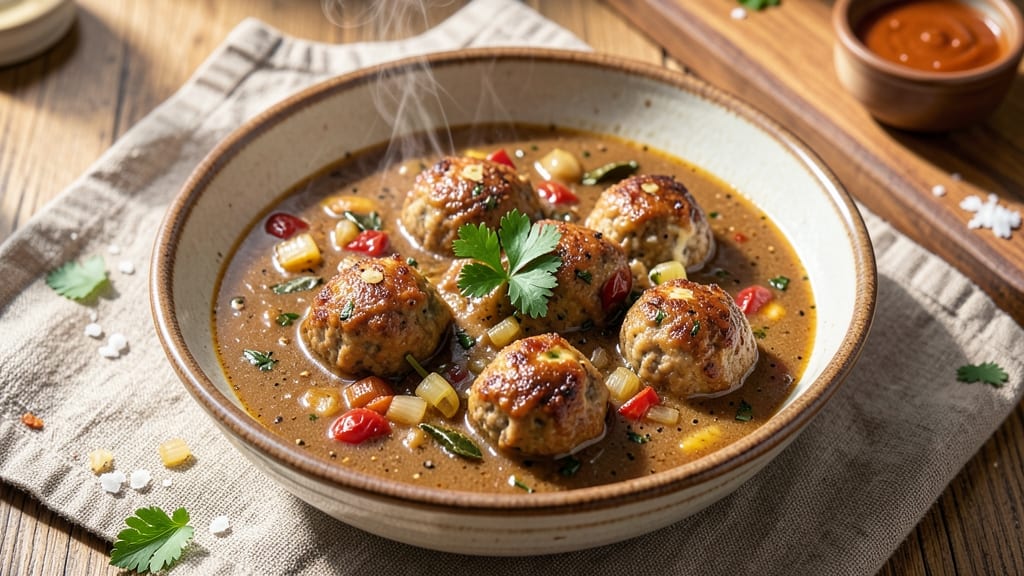
This albondigas sauce recipe transforms simple ingredients into a velvety tomato-celery velouté that elevates every bite of Spanish meatballs. The secret lies in simmering aromatic vegetables until they dissolve into a rich, herb-infused base—no blending required for that restaurant-quality texture.
I developed this sauce after years of testing, ensuring it balances sweetness, acidity, and earthy depth perfectly.
The foundation begins with sautéing onions and celery until tender, then building flavor with garlic, cumin, and bay leaf before adding crushed tomatoes. A splash of white wine deglazes the pan, while fresh herbs (parsley and thyme) add brightness.
The sauce thickens naturally as it simmers, creating a silky consistency that clings beautifully to meatballs without overpowering them.
What makes this sauce exceptional is its versatility—it works equally well with traditional albóndigas or as a standalone dip for crusty bread. The celery crown technique (reserving chopped celery for garnish) adds visual appeal and a subtle crunch.
Once mastered, this velouté becomes your go-to for Spanish-inspired meals, delivering depth and complexity in every spoonful.
Store leftovers in the refrigerator for up to 5 days or freeze for 3 months. Reheat gently to preserve texture, and adjust seasoning as needed. This sauce isn’t just a side—it’s the star of the dish, transforming ordinary meatballs into an unforgettable experience. Ready to elevate your cooking?
Ingredients for albondigas sauce
Twelve ingredients transform into a velvety tomato-celery velouté that defines Spanish comfort food.
| Ingredient | Amount | Notes |
|---|---|---|
| Yellow Onions 🧅 | 1 ½ cups | Finely diced, uniform size |
| Celery Stems 🥬 | 2 cups | Diced small for even cooking |
| Garlic Cloves 🧄 | 4 cloves | Minced finely for depth |
| Ground Cumin 🌿 | 1 tsp | Toasted for enhanced aroma |
| Bay Leaves 🌿 | 2 whole | Fresh preferred for brightness |
| Crushed Tomatoes 🍅 | 2 cups | San Marzano preferred for sweetness |
| Dry White Wine 🍷 | ½ cup | Sauvignon Blanc or Pinot Grigio |
| Fresh Parsley 🌿 | ¼ cup | Finely chopped for garnish |
| Fresh Thyme 🌿 | 1 tbsp | Leaves only, stems removed |
| Extra-Virgin Olive Oil 🫒 | ½ cup | High-quality, fruity variety |
| Salt 🧂 | 1 ½ tsp | Diamond Crystal preferred |
| Black Pepper 🌶️ | ½ tsp | Freshly ground for texture |
| Chicken Stock 🍲 | ½ cup | Homemade for optimal flavor |
The celery crown technique begins with selecting firm, pale stalks—avoid woody or bitter varieties. Whole Foods or local markets typically carry the freshest celery, but standard grocery store celery works if it's crisp and vibrant. For onions, yellow onions provide the best balance of sweetness and acidity; red onions add color but can overpower the sauce's depth. Garlic should be freshly minced—pre-minced garlic loses its aromatic punch quickly. The San Marzano tomatoes are non-negotiable for their natural sweetness and low acidity, though high-quality crushed tomatoes from Trader Joe's or Whole Foods work in a pinch. Toast the cumin seeds briefly in the olive oil before grinding to release their full potential—this step elevates the sauce from good to extraordinary.
No white wine? Dry vermouth or apple cider can substitute effectively, though the sauce will have a slightly different profile. Fresh herbs are ideal, but dried thyme at one-third the amount works if you're short on time—just ensure it's a high-quality dried herb from a reputable brand like Penzeys. For extra richness, substitute half the chicken stock with beef stock, though this will deepen the flavor profile slightly. The celery crown technique requires reserving one-quarter cup of finely chopped celery for garnish—this adds both visual appeal and a subtle crunch that contrasts beautifully with the velvety sauce. If you prefer a smoother texture, blend the reserved celery into the sauce at the end, but purists will appreciate the traditional presentation.
This sauce develops flavor as it sits, so reheat gently over low heat to preserve its silky texture—high heat can cause it to break. Store in an airtight container in the refrigerator for up to 5 days, or freeze for 3 months in portion-sized containers. The celery crown garnish stays vibrant for 24 hours in the fridge if stored separately in a sealed container with a damp paper towel. For meal prep, double the batch and freeze half—thaw overnight in the refrigerator before reheating. The sauce's versatility makes it perfect for batch cooking, as it pairs equally well with meatballs, crusty bread, or even as a base for risotto.
Why You'll Love This Recipe
- Pantry Staples Only: I swear by this recipe because it uses ingredients I already have. No specialty shopping—just onions, celery, and garlic I chop for half the meals anyway. The cumin and bay leaves? They’re in my spice drawer, waiting for their moment.
- Deep, Earthy Richness: That slow-simmered combo of cumin and bay leaves? It transforms simple meatballs into something soulful. The onions caramelize just enough to add sweetness, while the garlic—oh, the garlic—builds layers of flavor that make every bite feel like a hug.
- Weeknight to Potluck: Between us, this sauce is my secret weapon. Double it for leftovers, bring it to gatherings, or serve it over rice when you’re too tired for anything fancy. It’s the kind of dish that works just as well in a skillet as it does in a slow cooker.
- Budget-Friendly Magic: I make this sauce for under $5 and feed four people. Celery and onions stretch far, the cumin adds depth without cost, and the bay leaves? A single one lasts for multiple batches. It’s the kind of recipe that makes me feel clever for spending so little.
Step-by-step instructions for albondigas sauce
Master this velouté technique for a sauce that elevates meatballs to restaurant-quality perfection.
Sauté the Aromatic Base
Heat the 0.5 cup extra-virgin olive oil in a medium saucepan over medium-low heat. Add the 1.5 cups finely diced yellow onions and 2 cups diced celery stems, stirring occasionally. Cook for 8-10 minutes until the vegetables soften and begin to caramelize slightly, developing a golden hue.
This slow cooking process draws out moisture and builds deep flavor. You'll notice the onions become translucent and the celery loses its crispness—this is your cue to move forward. If the vegetables start to brown too quickly, reduce the heat slightly to prevent burning. The goal is to create a flavorful base without letting it turn bitter.
Once the vegetables are tender, add the 4 minced garlic cloves and 1 tsp toasted ground cumin. Stir for 30 seconds until the garlic becomes fragrant—you should smell its pungent aroma filling your kitchen. This is where the sauce's complexity begins to develop.
Develop the Sauce Foundation
Pour in the 0.5 cup dry white wine and increase heat to medium-high. Allow the wine to simmer for 3-4 minutes until it reduces by half and the alcohol evaporates completely. You'll see the liquid transform from a pale gold to a deeper amber color as the wine concentrates.
Next, add the 2 cups crushed tomatoes, 2 whole bay leaves, 1.5 tsp salt, and 0.5 tsp black pepper. Stir well to combine, then reduce heat to low. Let the mixture simmer gently for 15 minutes, stirring occasionally. This slow cooking allows the tomatoes to break down and release their natural sweetness while the bay leaves infuse subtle floral notes.
During this time, the sauce will thicken slightly as moisture evaporates. You're building the sauce's body and depth of flavor. If it reduces too quickly, add 1-2 tablespoons of water to maintain a smooth consistency. The sauce should coat the back of a spoon but still flow easily.
Refine with Herbs and Finish
Remove the 2 bay leaves and stir in the 1 tbsp fresh thyme leaves and 0.5 cup chicken stock. Increase heat to medium and bring the sauce to a gentle simmer. Let it cook for another 10 minutes, allowing the stock to meld with the other flavors and the thyme to release its earthy aroma.
For the final touch, stir in the 0.25 cup finely chopped fresh parsley. This herb adds brightness and freshness that cuts through the richness of the sauce. Taste and adjust seasoning if needed—you may need a pinch more salt to balance the flavors, especially if you used homemade stock.
The sauce is now complete. It should have a velvety texture with a rich tomato base, subtle wine notes, and a delicate herbaceous finish. For best results, keep the sauce warm over low heat until ready to serve, stirring occasionally to prevent it from thickening too much.
Pro Tips For Making Albondigas Sauce
- Cook Onions Low and Slow: If you rush this step, you’ll end up with bitter, sharp onions instead of sweet, caramelized flavor—the foundation of your sauce. Keep heat at a steady medium and resist the urge to crank it up, even if it feels slow. I learned this the hard way after burning a batch and wondering why my albondigas tasted like onion fumes.
- Slice Celery Thinly: Stack celery stems and slice them paper-thin with a sharp knife—this maximizes surface area and speeds up softening. Thick chunks will turn to mush and make your sauce watery. (Yes, it takes a little extra time, but it’s worth it.)
- Toast Cumin Until Fragrant: Bloom the ground cumin in oil for 30 seconds until it smells nutty and warm—this deepens its flavor way more than just stirring it in cold. Skip this, and your sauce will taste flat, like you forgot the spice entirely.
- Remove Bay Leaves Early: Pull the bay leaves out after 15 minutes, not when the sauce is done. They’ll turn bitter if left too long, and nobody wants a dish that tastes like medicine. (Pro move: Tuck them into the meatballs instead if you’re worried about flavor.)
Perfect pairings for this albondigas sauce
Bread Pairings
This velouté sauce pairs beautifully with crusty sourdough—its tangy crumb contrasts perfectly with the sauce's sweet tomato depth. I like to toast thick slices until golden and serve alongside meatballs for dipping.
For a lighter option, baguette slices work wonderfully, especially when spread with a thin layer of herbed butter before serving. 🥖
Cheese Boards
Transform your albondigas sauce into a cheese board dip by serving it warm with an assortment of cheeses. I recommend aged Manchego, creamy Brie, and sharp pecorino—each adds a different texture and flavor that complements the sauce's herbal notes.
Add marinated olives and roasted nuts for a complete Mediterranean-inspired spread.
Pasta Combinations
Use this sauce as a pasta base by tossing with short pasta shapes like ditalini or orzo. The sauce's velvety texture clings beautifully to the pasta while maintaining its rich flavor.
For extra indulgence, stir in crispy pancetta or sautéed mushrooms before serving. A sprinkle of grated Parmesan adds a salty finish that ties everything together.
Meatball Variations
While this sauce was designed for traditional beef albóndigas, it also works with chicken or turkey meatballs for a lighter option. For a fusion twist, try spiced lamb meatballs—the sauce's cumin and thyme enhance the lamb's earthy flavor.
Serve with warm pita bread or crusty polenta for a hearty meal that feels both comforting and sophisticated.
Vegetarian Adaptations
This sauce isn't just for meatballs—it elevates mushroom or lentil-based "meatballs" perfectly. The celery and tomato base provides enough depth to satisfy vegetarians, while the herbs add freshness.
Pair with roasted eggplant or grilled halloumi for a protein-rich vegetarian plate that still feels indulgent. The sauce's versatility makes it a go-to for plant-based meals.
Beverage Pairings
A crisp Spanish Albariño complements this sauce beautifully—its citrus notes brighten the tomato's richness. For beer lovers, a hoppy Belgian witbier like Hoegaarden adds a refreshing contrast. If you prefer red wine, a light Tempranillo with its subtle fruitiness won't overpower the dish.
I also enjoy a sparkling water with lemon on the side to cleanse the palate between bites. 🍷
Nutrition facts
Frequently asked questions
Can I make this sauce without wine?
Replace the 0.5 cup white wine with 0.5 cup apple cider vinegar or 0.5 cup vegetable broth for a similar acidity profile. The sauce will still develop depth, though the wine's subtle fruit notes will be missing. For a neutral substitute, use 0.5 cup water plus 1 tsp sugar to mimic the wine's sweetness and acidity balance.
How do I adjust the thickness of the sauce?
If the sauce is too thick, thin it with 1-2 tablespoons of warm water or stock at a time, stirring well between additions. For a thicker sauce, simmer uncovered for 5-10 minutes longer to reduce the liquid. The ideal consistency should coat the back of a spoon but still flow smoothly—this ensures it clings beautifully to meatballs without being gluey.
Can I prepare this sauce ahead of time?
This sauce tastes even better when made a day in advance! Store it in an airtight container in the refrigerator for up to 5 days. The flavors meld and deepen over time. Reheat gently over low heat, stirring occasionally, until warmed through. For freezing, portion into ice cube trays or small containers for easy thawing—just add a splash of water or stock when reheating.
What's the secret to making it taste more authentic?
Authenticity comes from three key elements: fresh herbs, slow cooking, and quality tomatoes. Use San Marzano crushed tomatoes for natural sweetness, and don't skip toasting the cumin seeds before grinding. Simmer the sauce uncovered for the full 25 minutes to let the flavors concentrate. Finally, finish with fresh parsley and thyme—dried herbs can't replicate their brightness.
Can I use this sauce for other dishes besides meatballs?
This versatile sauce works beautifully with pasta, polenta, or even as a dip for crusty bread. Toss it with short pasta shapes like orzo, or use it as a base for a vegetarian chili by adding beans and corn. The celery and tomato foundation makes it adaptable to many Spanish-inspired dishes while keeping its signature depth.