
Sauces & Condiments
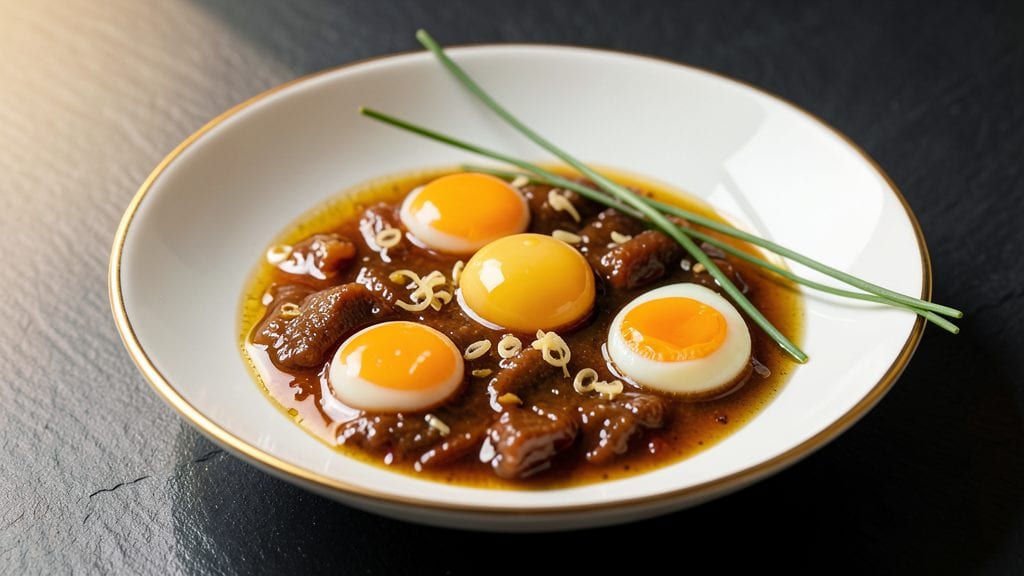
Abalone liver sauce transforms ordinary seafood dishes into something extraordinary with its deep umami richness and velvety texture. This luxurious condiment takes just 15 minutes to prepare but delivers restaurant-quality flavor that elevates everything from grilled fish to delicate sashimi.
The secret lies in balancing abalone liver's natural sweetness with aromatic shallots, a touch of soy, and a silky emulsion of egg yolks.
What makes this sauce truly special is its ability to amplify seafood flavors without overpowering them. The abalone liver provides an intense, briny sweetness that pairs perfectly with the subtle acidity of rice vinegar and the earthy depth of mirin.
Unlike store-bought sauces, this version maintains a luxurious mouthfeel thanks to the emulsified butter and egg yolks, creating a sauce that clings beautifully to each bite.
Perfect for drizzling over sushi platters, steamed clams, or grilled scallops, this sauce adds a sophisticated touch that makes any seafood dish feel like a gourmet experience.
The preparation is straightforward—simmering aromatics, blending the liver into a smooth paste, then carefully emulsifying for that signature silky consistency—but the results are anything but basic.
Once made, this sauce keeps beautifully in the refrigerator for up to 5 days, making it ideal for meal prep or entertaining. A little goes a long way, so you'll find yourself reaching for this luxurious condiment time and time again.
Let's create this flavor-packed sauce that will redefine your seafood dining experience.
Ingredients for abalone liver sauce
Ten ingredients transform into luxurious umami brilliance—no fancy tools needed.
| Ingredient | Amount | Notes |
|---|---|---|
| Abalone Liver 🦪 | 4 oz | Freshly cleaned, trimmed of fat |
| Shallots 🧅 | 3 whole | Finely minced, vibrant purple |
| Extra-Virgin Olive Oil 🫒 | ¼ cup | High quality, fruity aroma |
| Unsalted Butter 🧈 | ½ cup | Cold, cubed for emulsification |
| Large Egg Yolks 🥚 | 3 whole | Fresh, room temperature |
| Rice Vinegar 🍶 | 1 tbsp | Seasoned, mild acidity |
| Mirin 🍶 | 1 tbsp | Sweet, aromatic, not cheap |
| Light Soy Sauce 🥢 | 1 tbsp | Kikkoman preferred |
| Diamond Crystal Kosher Salt 🧂 | ¼ tsp | Fine grain for delicate seasoning |
| Fresh Lemon Juice 🍋 | 1 tsp | Bright, freshly squeezed |
The abalone liver is the star, so freshness is non-negotiable. Look for it at high-end seafood markets or Asian grocery stores—the best comes from California or Japan. It should smell briny and sweet, not fishy. If you can't find fresh, frozen works in a pinch (thaw in cold water). The shallots? Whole Foods or Trader Joe's carry the best—vibrant purple, no sprouts. For the olive oil, California brands like Lucini or Otto add subtle fruitiness that pairs perfectly. Butter matters too—use European-style if you're splurging, but good American butter works fine.
No abalone liver? Fresh squid ink or clams canned in juice adds depth, though nothing matches abalone's umami punch. Short on mirin? Dry sherry plus 1 tsp sugar mimics the sweetness. The egg yolks are critical—old eggs won't emulsify, so grab the freshest carton. For soy sauce, Kikkoman is foolproof, but Japanese brands like Yamasa add complexity. The rice vinegar should be seasoned—Mizkan is my go-to. Lemon juice? Freshly squeezed is always better than bottled, but in a bind, bottled works.
This sauce keeps for 5 days in an airtight jar in the fridge—just pour a thin layer of olive oil on top to preserve that velvety texture. Freezes beautifully for 3 months if you portion it into ice cube trays first. A little goes a long way—1 tbsp per serving is plenty. I always make double batches because once you taste this, you'll want it on everything from grilled fish to popcorn. The emulsion breaks if you heat it, so serve it at room temperature for that perfect silky finish.
Why You'll Love This Recipe
- Minimal Ingredient List: I swear by this recipe because it’s that simple—just five core ingredients. No crowded pantry raids or last-minute grocery runs. That rich abalone liver? It’s the star, but even if you’re new to it, the shallots and butter carry the day.
- Silky Luxury in Minutes: The egg yolks and olive oil transform this into something velvety and decadent with almost no effort. Honestly, I’ve made it on nights when I couldn’t be bothered to do more than stir a pot—yet it still feels like a restaurant-worthy dish.
- Dresses Up Any Plate: Slather it on grilled fish, drizzle it over pasta, or use it as a dip for crusty bread. Between us, I’ve even spooned it straight from the pan when I was too tired to plate anything. It’s the ultimate flavor multiplier.
- Leftovers That Don’t Suffer: This sauce actually improves the next day—thicker, deeper, and even more irresistible. I’ll be real: I’ve reheated portions for a week, and it’s still my go-to for quick, restaurant-quality meals without the fuss.
Step-by-step instructions for abalone liver sauce
This luxurious sauce comes together in minutes with precise technique and bold flavors.
Prepare the Shallot Base
Heat the 0.25 cup extra-virgin olive oil in a small saucepan over medium-low heat. Add the 3 whole shallots that have been finely minced, ensuring they're evenly distributed in the oil. Cook them gently for 8-10 minutes, stirring occasionally, until they become translucent and just beginning to caramelize at the edges. You're aiming for sweetness here—not browning.
Here's the thing—shallots release their flavor gradually when cooked slowly. If they start to brown too quickly, reduce the heat slightly. Once they're soft and fragrant, remove the pan from heat and set it aside. This aromatic base will form the foundation of your sauce, so don't rush this step.
Create the Emulsified Sauce Base
In a separate heatproof bowl, whisk together the 3 whole large egg yolks, 0.5 cup unsalted butter (cold and cubed), 1 tablespoon rice vinegar, 1 tablespoon mirin, 1 tablespoon light soy sauce, and 0.25 teaspoon diamond crystal kosher salt. The butter should remain cold to prevent premature emulsification. Place this bowl over a pot of barely simmering water (double boiler method) to gently warm the mixture.
I've found that maintaining the butter's cold temperature initially creates a smoother emulsion later. Whisk constantly for 3-4 minutes until the butter melts completely and the mixture thickens noticeably but remains pourable. The sauce should be pale yellow with a velvety texture—this is your base before incorporating the abalone liver's intense umami.
Infuse with Abalone Liver
Add the 4 oz abalone liver (cleaned and trimmed) to the warm shallot mixture. Let it sit for 5 minutes to absorb the shallot's sweetness while the liver begins to break down. Then, using a fine-mesh strainer, carefully pour the abalone-liver-infused shallot mixture into the egg yolk mixture while whisking continuously.
The liver will impart its rich, briny depth to the sauce. This is where the magic happens—you're combining the shallots' sweetness with the abalone's umami intensity. Whisk vigorously for 2-3 minutes until the sauce becomes thick and glossy, coating the back of a spoon. The texture should be luxurious, almost like a fine custard.
Finish with Acid and Balance
Remove the sauce from the heat and immediately stir in the 1 teaspoon fresh lemon juice. This bright acidity cuts through the richness, balancing the sauce's complex flavors. Taste and adjust seasoning if needed—you might want to add a pinch more diamond crystal kosher salt or a splash of rice vinegar to refine the balance.
Here's the moment that matters: the sauce should be silky, vibrant, and perfectly balanced between sweet, umami, salty, and acidic notes. If it's too thick, whisk in 1 teaspoon water at a time until it reaches your desired consistency. Serve immediately over delicate seafood or grilled fish to let the sauce's brilliance shine.
Pro Tips For Making Abalone Liver Sauce
- Sweat Shallots Low: Abalone liver sauce starts with flavor, and that means sweating shallots until they’re translucent—not browned. Too much heat and they’ll turn bitter; too little and you’ll waste time. Keep heat at a steady simmer, cover the pan, and let them melt into the oil for 8-10 minutes. (Yes, even if you’re impatient like me.)
- Trim Liver Thinly: Abalone liver is delicate, so slice it paper-thin—no thicker than 1/8 inch. Thick pieces won’t cook evenly and will turn rubbery. Use a sharp knife and work in one direction to avoid tearing. If it’s fibrous, cut against the grain first, then thinly slice.
- Butter First, Oil Last: Start with cold butter—it adds richness and helps emulsify the sauce later. Once the shallots are sweated, add the butter and let it foam before adding olive oil. The oil finishes cooking and prevents the butter from burning, but the butter’s fat is what makes this sauce velvety.
- Temper Yolks Slowly: Warm the yolks gradually—never dump hot sauce into them. Whisk a spoonful of the abalone-liver mixture into the yolks first, then slowly drizzle in the rest while stirring constantly. If you rush, the eggs will scramble into a sad, grainy mess. (I learned this after one disastrous batch.)
Troubleshooting this recipe
Emulsion Breaks
If your sauce suddenly separates into oily and watery layers, it means the emulsion has broken. This usually happens when the sauce gets too hot or when you add liquid too quickly. The fix? Immediately whisk in 1 teaspoon cold water at a time while whisking vigorously.
The key is to reintroduce the fat and liquid slowly—this helps the egg yolks re-emulsify. I’ve found that using a hand mixer on low speed works better than a whisk for this repair job. 💡
Overcooked Shallots
If your shallots turn dark brown or bitter, they’ve gone past the ideal sweetness window. This can make the entire sauce taste harsh. To prevent this, keep the heat at medium-low and stir constantly.
If it happens, strain out the overcooked shallots and replace them with ½ teaspoon finely minced fresh garlic for a fresh, aromatic base. The garlic won’t match the shallot’s sweetness but will still add depth. Honestly, this mistake happens to everyone—just don’t panic and adjust quickly.
Grainy Texture
A grainy texture usually means the abalone liver wasn’t blended or strained properly. For a silky finish, press the abalone liver through a fine-mesh strainer or use an immersion blender to puree it into the shallot mixture before combining with the egg yolks.
If you’re in a pinch, strain the mixture through a cheesecloth-lined sieve for extra smoothness. I’ve also found that chilling the liver for 10 minutes before blending helps break it down more evenly. ✨
Too Thick or Too Thin
If your sauce is too thick, thin it with ½ teaspoon water or rice vinegar at a time while whisking. For a sauce that’s too thin, place the bowl over a double boiler and whisk in 1 teaspoon cold butter (cut into small cubes) until it thickens.
The goal is to reach a consistency that coats the back of a spoon but remains pourable. Pro tip: Adjust the thickness while the sauce is still warm—it will thicken further as it cools.
Off Flavors
If your sauce tastes overly fishy or metallic, the abalone liver may have been compromised. Fresh liver should smell briny and sweet, not sour or ammonia-like. If you suspect this, start over with fresh ingredients.
For a backup plan, add ½ teaspoon freshly grated ginger or 1 teaspoon toasted sesame oil to mask any off notes. I’ve also found that a splash of dry sherry can help balance unwanted flavors while adding complexity. 🌶️
Storage Issues
If your sauce develops a thin layer of oil on top after refrigerating, it’s simply separating—this doesn’t mean it’s spoiled. Before using, whisk vigorously to re-emulsify.
To prevent this, store the sauce in an airtight container and press a piece of plastic wrap directly onto the surface to minimize air exposure. If mold appears or the sauce smells sour, discard it immediately.
The sauce should keep its quality for up to 5 days in the fridge or 3 months in the freezer if stored properly.
Nutrition facts
Frequently asked questions
What makes abalone liver sauce different from other seafood sauces?
Abalone liver sauce stands out with its intense umami depth and velvety texture, thanks to the abalone's natural briny sweetness combined with aromatic shallots and a rich emulsion of egg yolks and butter. Unlike fish-based sauces, it offers a more refined, almost custard-like consistency that pairs beautifully with delicate seafood like sushi or grilled scallops. The balance of sweet, salty, and acidic notes creates a complex flavor profile you won't find in typical seafood sauces.
Can I make this sauce without abalone liver?
Yes! While nothing perfectly replaces abalone liver's unique umami, you can use fresh squid ink (1 tbsp) or canned clams in juice (2 tbsp) for depth. For a vegetarian option, try mushroom powder (1 tsp) or soy sauce (extra 1 tbsp) to mimic the savory richness. The sauce will still be delicious, though the texture may be slightly lighter. The key is adjusting the seasoning to compensate for the missing ingredient's intensity.
How do I know when the sauce is properly emulsified?
The sauce is ready when it becomes thick, glossy, and coats the back of a spoon without being stiff. It should look like a fine custard with no visible separation between the fat and liquid. If it's too thin, continue whisking over gentle heat; if it's too thick, add ½ tsp water or rice vinegar gradually. The emulsion should hold together when you gently tap the bowl—no oil should separate immediately. Pro tip: A hand mixer on low speed works better than whisking for a silky finish.
What are the best dishes to serve with this sauce?
This luxurious sauce shines on grilled fish, sushi platters, steamed clams, or delicate seafood like scallops. It also elevates simple dishes like rice bowls or noodles with a drizzle. For a unique touch, use it as a dip for fresh oysters or sashimi. The sauce's rich flavor works best when paired with clean, high-quality seafood that lets its umami brilliance take center stage. A little goes a long way—1 tbsp per serving is plenty.
Why does my sauce sometimes separate after refrigerating?
This is normal! The emulsion may separate due to temperature changes, but it's easily fixed. Before using, whisk vigorously to re-emulsify or gently reheat the sauce in a double boiler while whisking. To prevent separation, store the sauce in an airtight container with a layer of plastic wrap pressed directly onto the surface. The sauce will keep its quality for up to 5 days in the fridge or 3 months in the freezer if stored properly.