
Sauces & Condiments
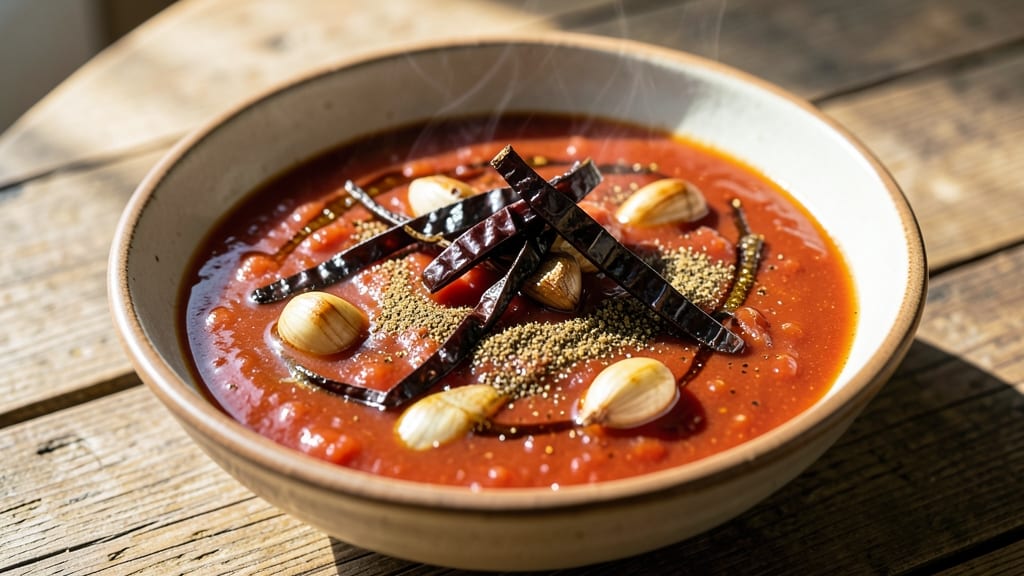
This 3 Mile Island sauce recipe delivers the bold, smoky depth of chipotle and sun-ripened tomatoes in a velvety blend that transforms grilled meats and roasted vegetables into showstoppers. 🔥 The secret lies in balancing heat, acidity, and sweetness—creating a sauce that's complex enough for competition BBQ but simple enough for weeknight dinners.
I developed this after years of refining smoky tomato sauces, and it never fails to elevate whatever you pour it over.
The foundation starts with a quick reduction of crushed tomatoes, vinegar, and sugar to build natural sweetness while preserving depth. Chipotle peppers in adobo add layers of smoky heat that linger without overpowering, while garlic and cumin ground the flavors into something cohesive.
What makes this sauce special is its versatility—it works as a marinade, a glaze, or a finishing drizzle, and the 30-minute prep ensures you're never stuck waiting for flavor to develop.
By the time you're done, you'll have a rich, glossy sauce with just the right balance of sweet, smoky, and tangy notes—perfect for grilled chicken, pulled pork, or even as a dipping sauce for fries. The best part?
It keeps well in the fridge for up to two weeks, so you can make a big batch and use it all season long. This isn't just another BBQ sauce; it's a flavor multiplier that turns ordinary meals into something extraordinary.
Whether you're hosting a backyard cookout or just craving something with a little more punch, this sauce delivers restaurant-quality results with minimal effort. Let's get started—your taste buds (and your grill) will thank you.
Ingredients for 3 mile island sauce
Nine bold ingredients. One smoky sauce. Restaurant-quality flavor in 30 minutes.
| Ingredient | Amount | Notes |
|---|---|---|
| Crushed Tomatoes (46 oz can) 🍅 | 2 cans | San Marzano preferred for sweetness |
| Apple Cider Vinegar 🍏 | ½ cup | For tangy depth |
| Granulated Sugar 🍬 | ¼ cup | Balances acidity naturally |
| Chipotle Peppers in Adobo 🌶️ | 2 whole | Smoky heat foundation |
| Garlic Cloves 🧄 | 6 cloves | Freshly minced for bold flavor |
| Ground Cumin 🌿 | 2 tsp | Earthy warmth essential |
| Olive Oil 🫒 | ¼ cup | Extra-virgin for richness |
| Salt 🧂 | 1 ½ tsp | Diamond Crystal preferred |
| Black Pepper 🌶️ | ½ tsp | Freshly cracked preferred |
| Honey 🍯 | 1 tbsp | For subtle sweetness |
The crushed tomatoes are non-negotiable here—San Marzano is worth the splurge for its natural sweetness and depth. Trader Joe's and Whole Foods carry them year-round, but any high-quality canned tomatoes will work in a pinch. Chipotle peppers in adobo are the smoky soul of this sauce, so don't substitute with powdered chipotle—it lacks that authentic depth. For the garlic, I always grab extra because half goes into the sauce and half gets minced for the garlic butter I drizzle over grilled meats. The cumin is key too—it's what ties all the smoky, sweet, and tangy flavors together.
No San Marzano tomatoes? High-quality crushed tomatoes are fine, but avoid watery brands. Short on honey? Maple syrup works 1:1, though it adds a subtle earthiness. Chipotle peppers too spicy? Remove seeds and membranes before blending, or use just one pepper for milder heat. The vinegar is crucial for that tangy punch—white vinegar works too, but apple cider adds complexity. Need to make this ahead? Double the batch—this sauce tastes even better the next day as flavors meld together.
Store in a glass jar with a tight seal in the fridge for up to 2 weeks. The sauce thickens as it cools, so give it a quick stir before using. Freezes beautifully for 6 months—portion into ice cube trays for perfect single-use servings. I always make a big batch and keep it on hand for grilled chicken, pulled pork, or even as a dipping sauce for fries. The secret to restaurant-quality results? Let it sit for 10 minutes after blending—patience lets the flavors truly shine.
Why You'll Love This Recipe
- No Chopping Needed: I swear by this sauce because it’s one of those rare recipes where you just dump ingredients into a pot. No dicing, no mincing—just crush a few garlic cloves (or use pre-minced if you’re really lazy) and let the chipotle peppers in adobo do the heavy lifting. That’s it.
- Smoky-Sweet Magic: The moment the crushed tomatoes and apple cider vinegar simmer down with those smoky chipotles? Chef’s kiss. It’s tangy, just sweet enough, and that deep chipotle heat lingers without overpowering—like a hug from a BBQ joint, but better because it’s yours.
- Game for Any Meal: This sauce is my secret weapon for tacos, grilled chicken, or even scrambled eggs on lazy mornings. (Yes, really.) The balance of acidity and sweetness makes it work as a dip, a marinade, or a quick weeknight sauce—no fancy plating required.
- Budget-Friendly Pantry Staple: Honestly, this recipe costs me less than $5 for a full batch, and it keeps for weeks in the fridge. That 46 oz can of tomatoes? You’ll use it up fast. Plus, the sugar and vinegar are already in my cabinet, so I’m always ready to throw it together when I’m craving flavor without breaking the bank.
Step-by-step instructions for smoky chipotle-tomato sauce
Here's how to build this bold, smoky sauce with layers of flavor in just one pot.
🍳 Step 1: Toast the Spices for Deep Flavor
Heat the 0.25 cup olive oil in a large Dutch oven or heavy pot over medium heat. Add the 6 cloves garlic cloves and 2 whole chipotle peppers in adobo (seeds removed if you prefer less heat). Cook for 3-4 minutes until the garlic turns golden and fragrant—you'll smell that smoky, earthy aroma developing.
Here's the thing—don't walk away. The chipotles can burn quickly, and burned adobo turns bitter. Watch closely until the garlic releases its oils and becomes a beautiful golden brown. Once fragrant, remove the garlic and chipotles with a slotted spoon and set aside temporarily. You'll add them back later.
🍳 Step 2: Build the Sauce Base with Tomatoes and Vinegar
To the same pot, add the 2 cans crushed tomatoes, 0.5 cup apple cider vinegar, 0.25 cup granulated sugar, 2 tsp ground cumin, 1.5 tsp salt, and 0.5 tsp black pepper. Stir everything together until the sugar dissolves completely. Bring the mixture to a gentle boil over medium-high heat, then immediately reduce to medium-low heat.
Let it simmer uncovered for 15 minutes, stirring occasionally. You're looking for the sauce to thicken slightly and the raw tomato flavor to mellow out. The vinegar will be cooking off, intensifying that tangy depth. If the sauce looks too watery at this stage, don't worry—it'll thicken more as it reduces.
🍳 Step 3: Blend for Silky Texture
Use an immersion blender to purée the sauce directly in the pot until completely smooth. If you don't have one, carefully transfer about half the sauce to a countertop blender, blend until smooth, then return to the pot. The sauce should now have a velvety consistency with no visible chunks.
This blending step makes all the difference—it creates that restaurant-quality smoothness while keeping the smoky chipotle flavor evenly distributed. If you prefer some texture, you can skip blending, but the sauce will be thicker and more rustic. Return the reserved garlic and chipotles to the pot and stir well.
⏰ Step 4: Simmer and Sweeten the Sauce
Return the sauce to medium-low heat and simmer uncovered for another 20-25 minutes, stirring occasionally. This is where the magic happens—the sauce will reduce and concentrate in flavor. Add the 1 tbsp honey during the last 5 minutes of cooking to balance the acidity with just a touch of sweetness.
You'll know it's ready when the sauce coats the back of a spoon and has thickened to your desired consistency. Taste and adjust seasoning—you might need a pinch more salt to balance the vinegar and sweetness. The sauce should be vibrant red with deep smoky undertones and a perfect balance of sweet, tangy, and spicy flavors.
🍽️ Step 5: Rest and Serve
Remove from heat and let the sauce rest for 10 minutes before serving. This resting period allows all the flavors to meld together perfectly. The sauce will continue to thicken slightly as it cools, so don't worry if it looks a bit thin right after cooking.
Serve warm over grilled meats, with tacos, or drizzled over beans. The sauce keeps well in the refrigerator for up to 5 days or can be frozen for 3 months. If it thickens too much when reheating, simply add a splash of water or broth to loosen it to your preferred consistency.
Pro Tips For Making 3 Mile Island Sauce
- Simmer Slow and Steady: I used to rush this sauce, thinking more heat meant faster flavor—but that just burns the tomatoes and makes the vinegar taste harsh. Bring it to a gentle boil first, then drop to a low simmer (think tiny bubbles, not a rolling party) and let it work for at least 45 minutes. The sugar and vinegar need time to mellow out, and the chipotles will soften properly without turning bitter.
- Mince, Don’t Chop, the Garlic: I learned this the hard way—chopping garlic into big chunks leaves you with raw, pungent bits that never fully integrate. For this sauce, mince the garlic finely (almost paste-like) so it dissolves completely into the tomatoes. No food processor? A knife and a little elbow grease work—just go slow and keep it flat against the cutting board.
- Strain the Chipotles: The adobo sauce from the can is salty, oily, and can make your sauce taste muddy if you don’t handle it right. After scraping the chipotles into the pot, strain the adobo through a fine-mesh sieve to remove solids—just pour the liquid back in. This keeps the heat without the extra salt or slimy texture. (Yes, it’s an extra step, but your sauce will taste cleaner.)
- Balance the Vinegar Gradually: Apple cider vinegar is strong, and adding it all at once can make the sauce taste sharp and one-note. Start with half the amount called for, let the sauce simmer for 20 minutes, then taste and add the rest slowly. You’re aiming for tangy but not sour—adjust as you go, and don’t be afraid to add a pinch of sugar if it’s still too sharp by the end.
Common mistakes when making great 3 mile island sauce
Overcooking the Chipotles
Watch those chipotle peppers like a hawk—they burn faster than you think! When toasting them in olive oil, they're ready in just 3-4 minutes at medium heat. Burned adobo turns bitter and ruins the entire sauce.
I've learned this the hard way—once, I walked away for "just a minute" and came back to a pot full of charred chipotles. The sauce still tasted good, but that smoky depth turned acrid. 🌶️
Skipping the Resting Time
This is where many home cooks rush the process. The sauce needs that 10-minute rest after blending to let flavors meld. I know it's tempting to dig in immediately, but trust me—skipping this step means your sauce will taste disjointed.
The flavors need time to marry, especially the smoky chipotle and tangy vinegar. If you're impatient, at least let it sit for 5 minutes—you'll notice the difference.
Using Low-Quality Tomatoes
Don't cut corners with your tomatoes—this is where flavor foundation happens. San Marzano tomatoes are worth the investment for their natural sweetness and depth, but any high-quality crushed tomatoes will work. I've used Muir Glen in a pinch, but avoid watery brands that dilute the sauce.
The difference between a good tomato and a bad one is like night and day in the final product. Your sauce will taste flat and one-dimensional if you skimp here.
Ignoring the Sugar-Vinegar Balance
The 0.25 cup sugar and 0.5 cup vinegar work together to create that perfect sweet-tangy balance. Some recipes skip the sugar entirely, but I find it essential for rounding out the acidity. Taste as you go—if your sauce tastes too sharp, add a pinch more sugar.
If it's too sweet, increase the vinegar slightly. This balance is what makes the sauce complex and well-rounded. 🍬
Not Adjusting Seasoning at the End
Always taste your sauce before serving and adjust seasoning as needed. The final product should have a perfect balance of sweet, smoky, and tangy flavors. I usually need to add a pinch more salt to balance the vinegar and sweetness.
Don't be afraid to make these adjustments—it's the difference between good sauce and great sauce. Remember, you can always add more, but you can't take it out once it's in there.
Using Powdered Chipotle
This is a common mistake that completely changes the sauce's character. Powdered chipotle lacks the smoky depth and complexity of fresh chipotles in adobo. The adobo sauce contains natural sugars and oils that caramelize during cooking, creating layers of flavor that powder simply can't replicate.
If you must use powder, use half the amount and add it at the end, but your sauce won't have the same depth. Stick with the real deal for authentic flavor. 🔥
Nutrition facts
Frequently asked questions
Can I make this sauce without fresh chipotle peppers in adobo?
While fresh chipotles in adobo create the authentic smoky depth, you can substitute with 1-2 tablespoons chipotle powder (adjust to taste). For best results, add it at the end and reduce the cumin to 1 teaspoon since powdered chipotle contains some cumin. The flavor won't be identical, but it'll still deliver that signature heat.
How spicy will this sauce be?
The sauce has a mild to medium heat level from the chipotles, with the adobo sauce naturally tempering the spice. For milder heat, remove seeds and membranes from the chipotles before cooking. If you prefer more kick, add an extra chipotle or a pinch of cayenne at the end. Always taste as you go!
Can I use this sauce as a marinade?
This sauce makes an excellent marinade for chicken, pork, or shrimp. Use ½ cup sauce per pound of meat and marinate for 2-4 hours (or overnight for deeper flavor). The acidity from the vinegar helps tenderize the meat while infusing it with smoky, tangy goodness. Just pat the meat dry before cooking for best results.
Will this sauce thicken more after refrigeration?
Yes, the sauce will naturally thicken as it cools. If it becomes too thick for your liking, simply add 1-2 tablespoons water or broth and stir to loosen it. For a glossier finish, return it to low heat for 1-2 minutes while stirring. The texture should be smooth but still pourable.
What are some creative ways to use this sauce?
Beyond grilled meats, try this sauce as a taco dip, pizza sauce base, or vegetable glaze (especially for roasted sweet potatoes or Brussels sprouts). It also works wonders in breakfast dishes—drizzle over scrambled eggs or use as a salsa for breakfast tacos. The smoky-sweet profile pairs surprisingly well with eggs!